Buy Straight From Japan’s Dealer Auctions
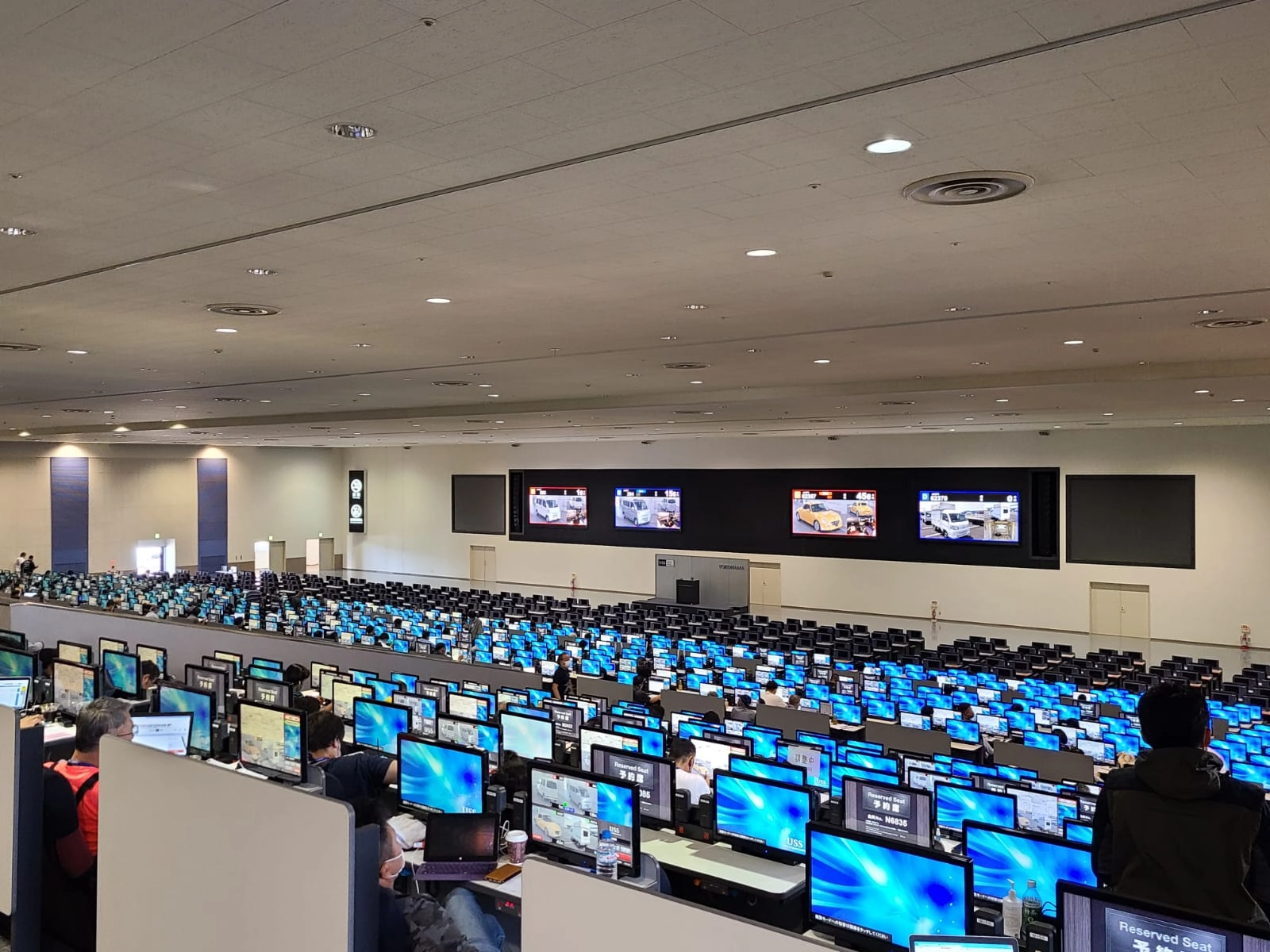
Every week, more than 100,000 vehicles cross the block at dealer-only auctions across Japan — cars that never reach a dealership lot, in condition you can’t find in the States. The public can’t bid there. We can, and we bid for you.
We’re a US-based importer in Vienna, Virginia. We help you find the car, inspect it in person in Japan, bid up to your limit, ship it, and clear US customs ourselves — one company, start to finish. Here’s exactly how it works, what it costs, and what happens at every step.
Talking to us costs nothing. The deposit unlocks auction access — and it’s refundable if you don’t buy.
These Aren’t eBay Auctions
Japan’s used-car market runs through wholesale auction houses — USS, TAA, JU, and dozens more — that are closed to the public. Only licensed dealers can bid. Every car is inspected by a neutral third-party inspector before it’s listed, and that inspection becomes the auction sheet: a one-page condition report with a numeric grade, interior and exterior grades, and a diagram marking every scratch, dent, and rust spot on the body.
But don’t buy on the sheet alone — buying sight-unseen is a gamble we don’t recommend, and we never ask you to take it. The sheet is written in Japanese; we translate it, give you our honest read, and, if you’d like, inspect the car in person before you bid or buy.
How to Read an Auction Sheet
Every car at auction is inspected by a neutral third party before it’s listed. That inspection becomes the auction sheet — a one-page condition report with an overall grade, interior and exterior grades, and a diagram marking every flaw on the body. Learn to read it and the whole auction becomes legible.
The overall grade
Interior & exterior grades
The interior and exterior get separate letter grades: A immaculate, B clean, C average wear, D and below rough.
The body diagram
Letters mark the type of damage, numbers 1–3 mark severity. So A2 on the left rear quarter means a moderate scratch there; W3 on a door means significant prior repair work.
What we do with it
The sheet is written in Japanese. You get the full sheet, a plain-English translation, and our read on it — what the grade actually means for that specific car, and whether the notes are worth walking away over. But we don’t recommend anyone buy sight-unseen, so we can inspect the car in person before you bid or buy. Just ask. The grade is a starting point, not a verdict.
You Set a Ceiling. We Never Go Over It.
This is the part most people get wrong, so here it is plainly: you tell us the maximum you’re willing to pay for a specific car. When it crosses the block, we bid on your behalf — incrementally, against the other dealers — and we stop at your number. If the car sells for less than your maximum, you pay the lower price. You are never charged your ceiling just because you named it.
Auctions run during the business day in Japan — the middle of the night here in the US. You don’t need to be awake for any of it. You don’t need an account with the auction house. You don’t need to speak Japanese. You give us a number and we go to work.
And if someone outbids your ceiling? Your deposit stays on file — or comes back to you, less $25 for any car we inspected for you — and we go find the next one.
The Process, Step by Step
From first conversation to the car in your driveway — here’s everything that happens, in order.
Tell us what you're after
FreeCall, text, email, or DM us. We'll talk through the car you want, the trim and options that matter to you, your budget, and what condition you're realistically expecting at that budget. If you're new to importing, this is also where we tell you which cars are and aren't worth chasing right now.
Sign up and place your deposit
RefundableYour deposit unlocks access to our auction system and lets us commit to inspecting and bidding on your behalf. It's roughly 10% of your target vehicle budget — and it isn't a fee: it's refundable if you don't end up buying (less $25 for each car we inspected for you), and it applies to your final balance if you do.
Browse and shortlist
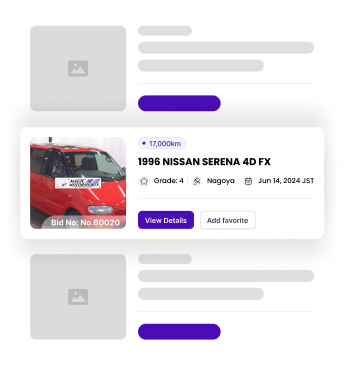
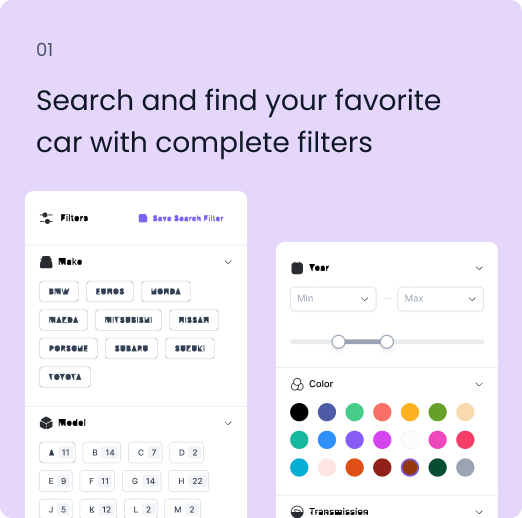
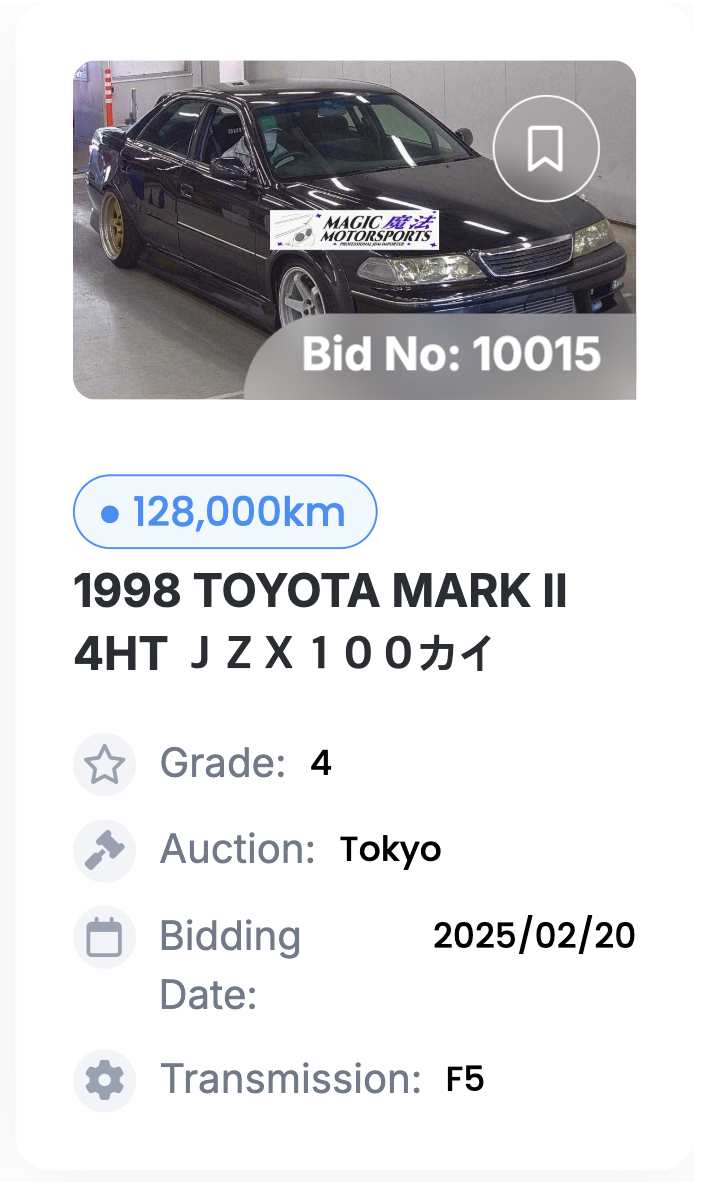
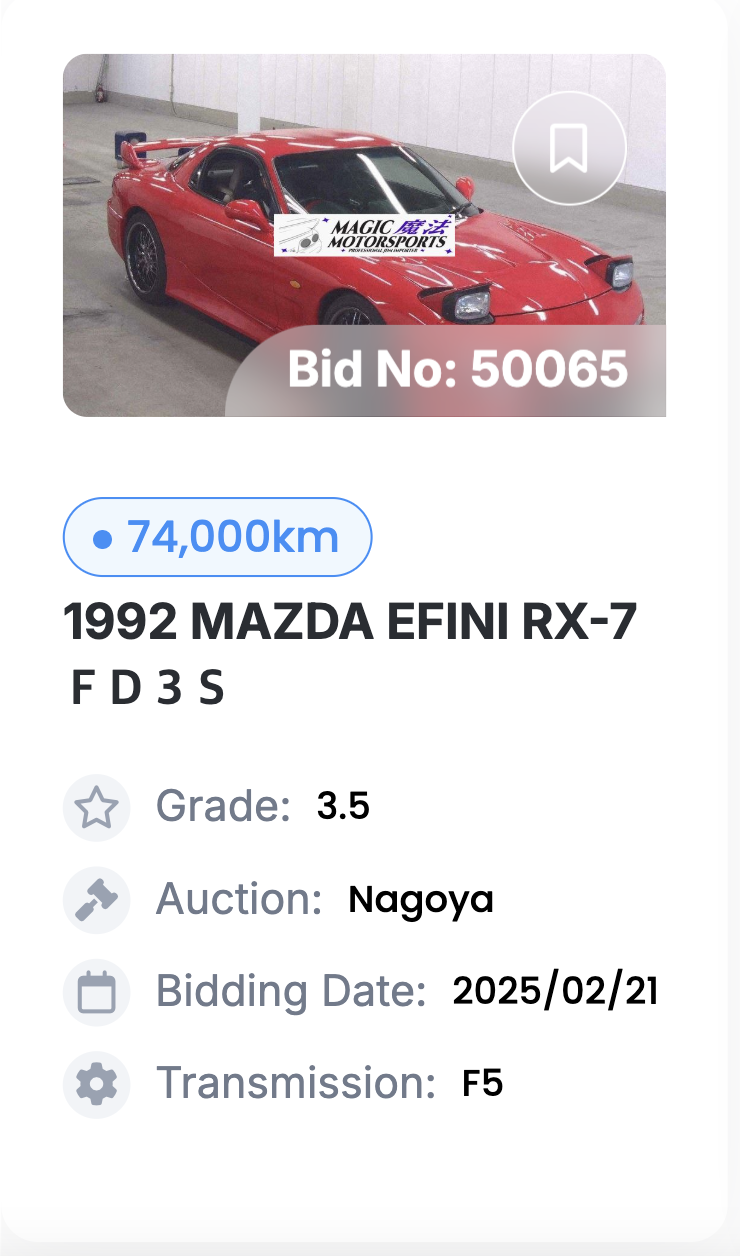
OngoingMore than 100,000 vehicles run through Japan's dealer auctions every week, so the right car shows up more often than you'd think. Browse everything running in our auction system, and we'll flag matches for your criteria as they come up.
We inspect the car in person
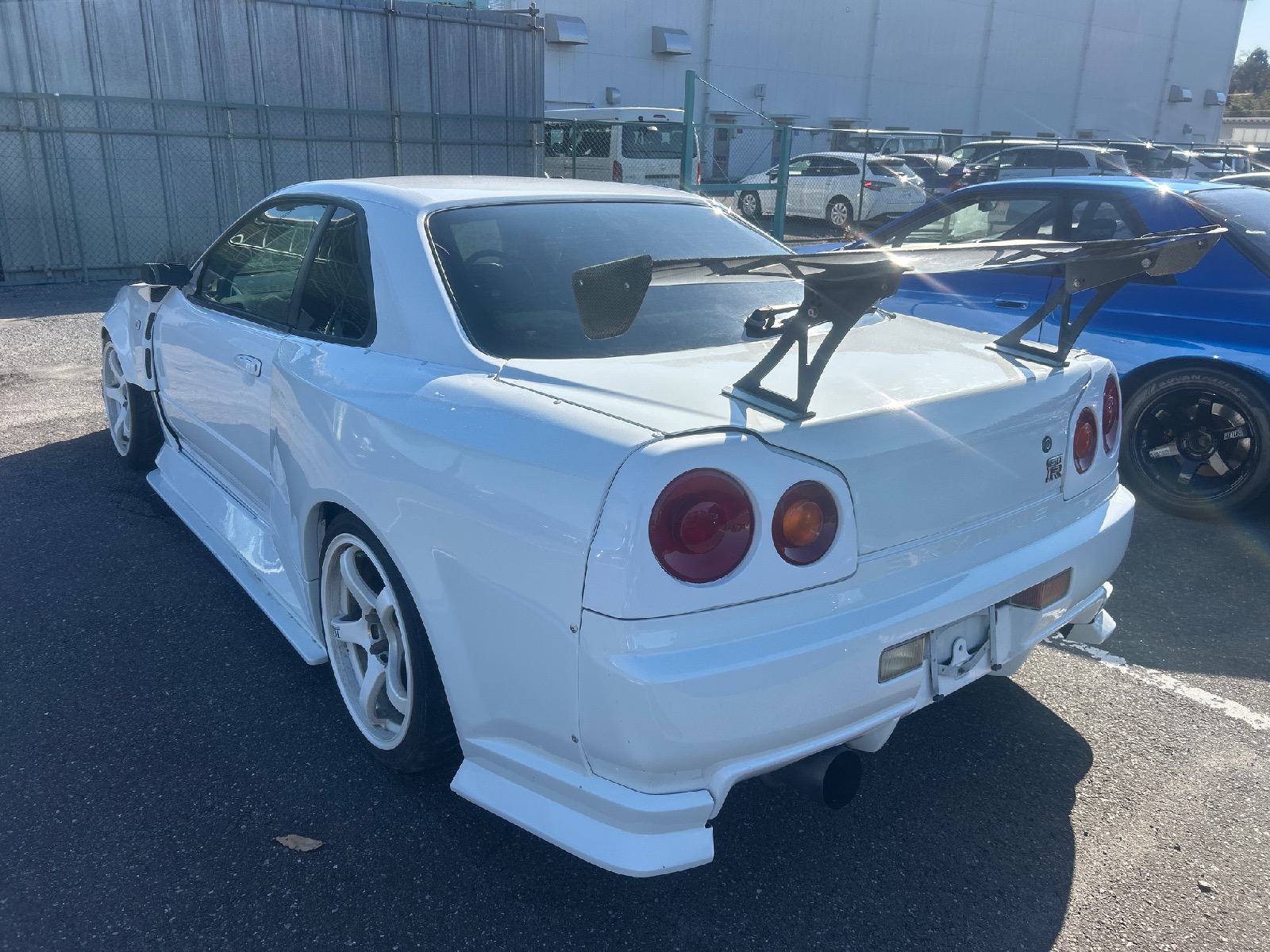
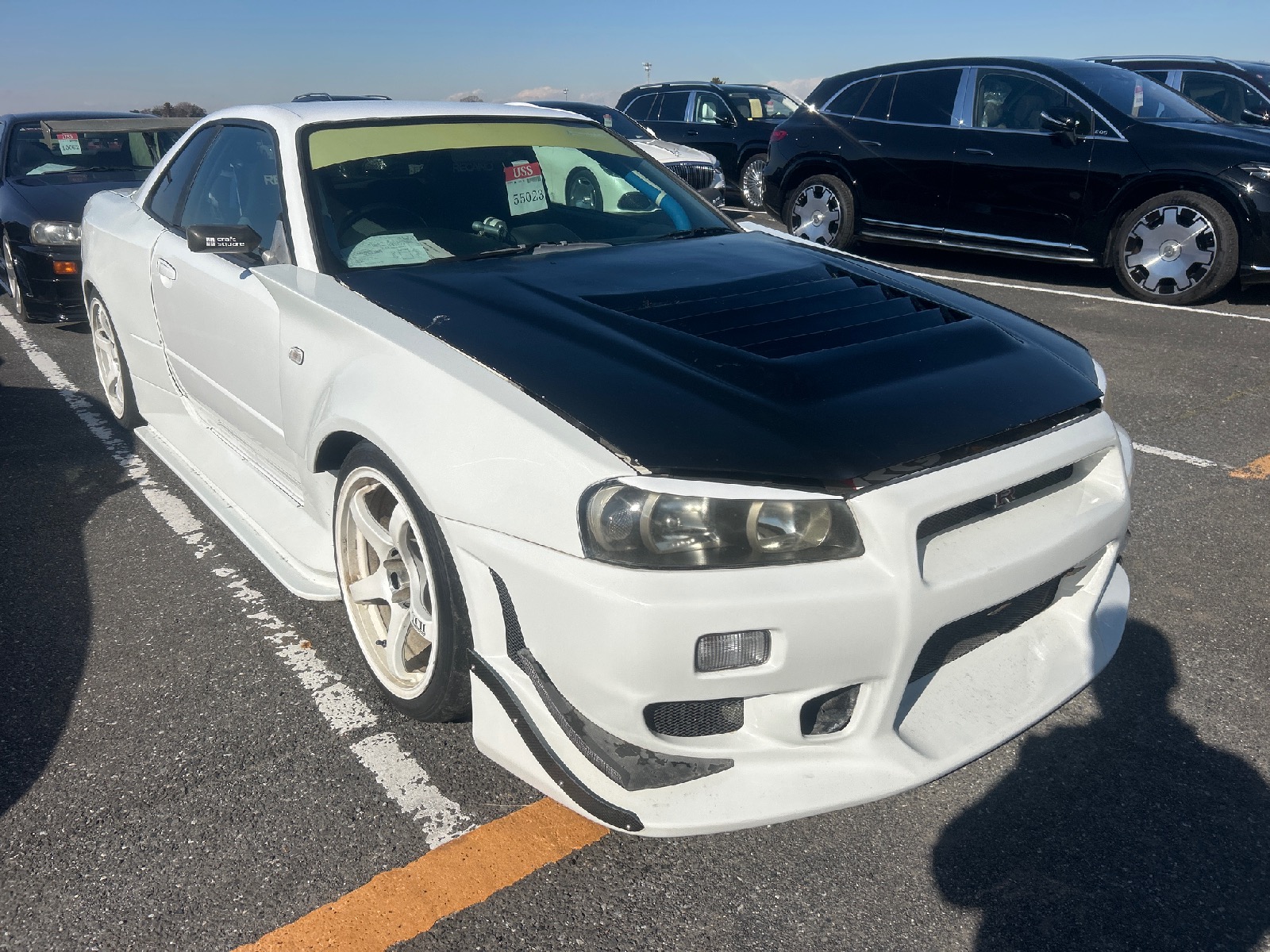
On requestDon't want to bid off a paper grade? Ask, and someone goes to the auction yard and puts hands on the car — photos and video for your approval before a single bid is placed. You make the call. If the car doesn't match the sheet, we'll tell you to walk.
We bid to your limit
Auction dayYou give us your maximum. We bid up to it and not a yen over. If the car sells for less than your ceiling, you pay the lower price. Auctions run during the business day in Japan — overnight in the US — so you can sleep through it and wake up to the result.
If we win: invoice and payment
You get an invoice showing the actual hammer price and every line item in your total — the full cost breakdown is below, and it doesn't change after you've won. Your deposit comes off the balance.
If we don't win: your choice
RefundableNo hard feelings. Take your deposit back (less $25 for each car we inspected for you), or leave it on file and we go straight to the next car. It's completely normal to bid on two or three cars before landing one.
Export and ocean freight
We transport the car to port in Japan, handle export deregistration and paperwork, book vessel space, and load it. Then it sails to the port nearest you. Nothing for you to do here.
Customs, title, and delivery
We handle itThis is where we're different from most importers: we clear US customs ourselves. You don't hire a broker, you don't file your own paperwork, and we assist with titling so the car can be registered. Delivery is to the nearest port by default — if you want it in your driveway, we'll arrange transport.
Total, start to finish: 45–60 days from purchase to delivery.
What It Costs
Every line, before you commit — including US customs duty and import fees, calculated upfront. A lot of exporters quote only the Japan-side costs and leave the duty bill as a surprise when the car lands. We don’t. Prices vary by vehicle type and location, and your invoice after a win uses these same line items.
Our fee is $1,000. Flat. It doesn’t scale with the price of the car — buying a $40,000 GT-R costs the same in service fees as buying a $12,000 Silvia — and it covers sourcing, inspection, purchase, and import.
One thing to watch for elsewhere
Some exporters charge a 10% Japanese Consumption Tax. Exported vehicles are tax-exempt — if an importer is charging you JCT, that’s a fee that shouldn’t exist. On a $20,000 car it’s $2,000 out of your pocket for nothing. Ask before you commit.
Why Buy Through Us
We clear customs ourselves
Many importers deliver to port and hand you off to a customs broker you have to find and pay yourself. We handle the import process end to end, including customs clearance, and we assist with titling. We also calculate your customs duty and import costs upfront — no surprise bill when the car lands.
In-person inspections on request
Not just an auction sheet translation. Ask, and someone stands next to the car with a camera before you commit a single bid — see a full example inspection below.
US-based, US business hours
We’re at 501 Church Street NE, Vienna, Virginia. Call 703-249-9922 and you’ll talk to someone in your time zone.
Flat $1,000 fee
Not a percentage. Buying a $40,000 GT-R costs the same in service fees as buying a $12,000 Silvia.
Experience Our Auction Service in Action
Watch a Demo of How We Bring JDM Vehicles to You
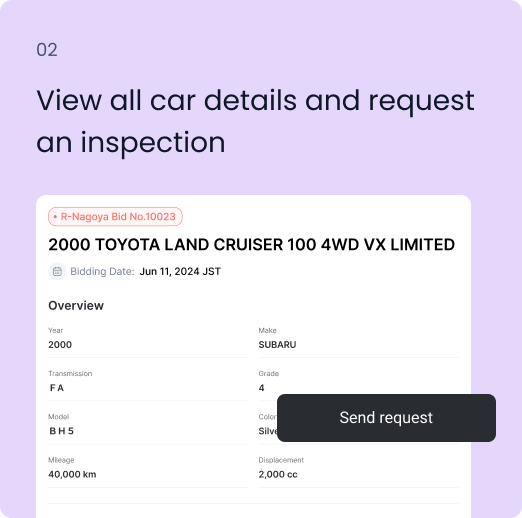
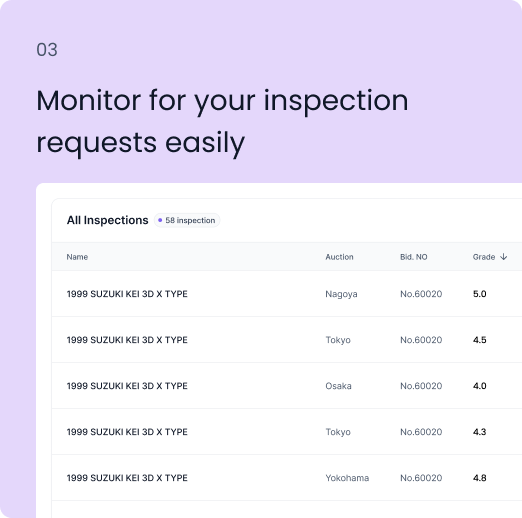
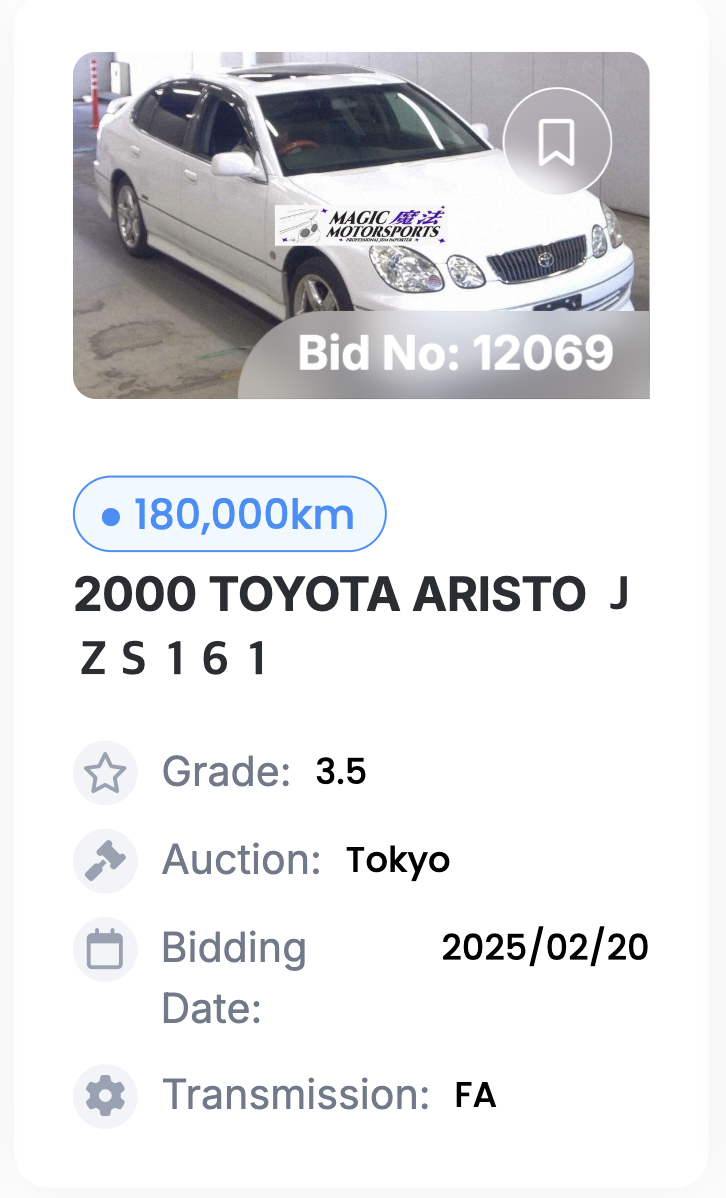
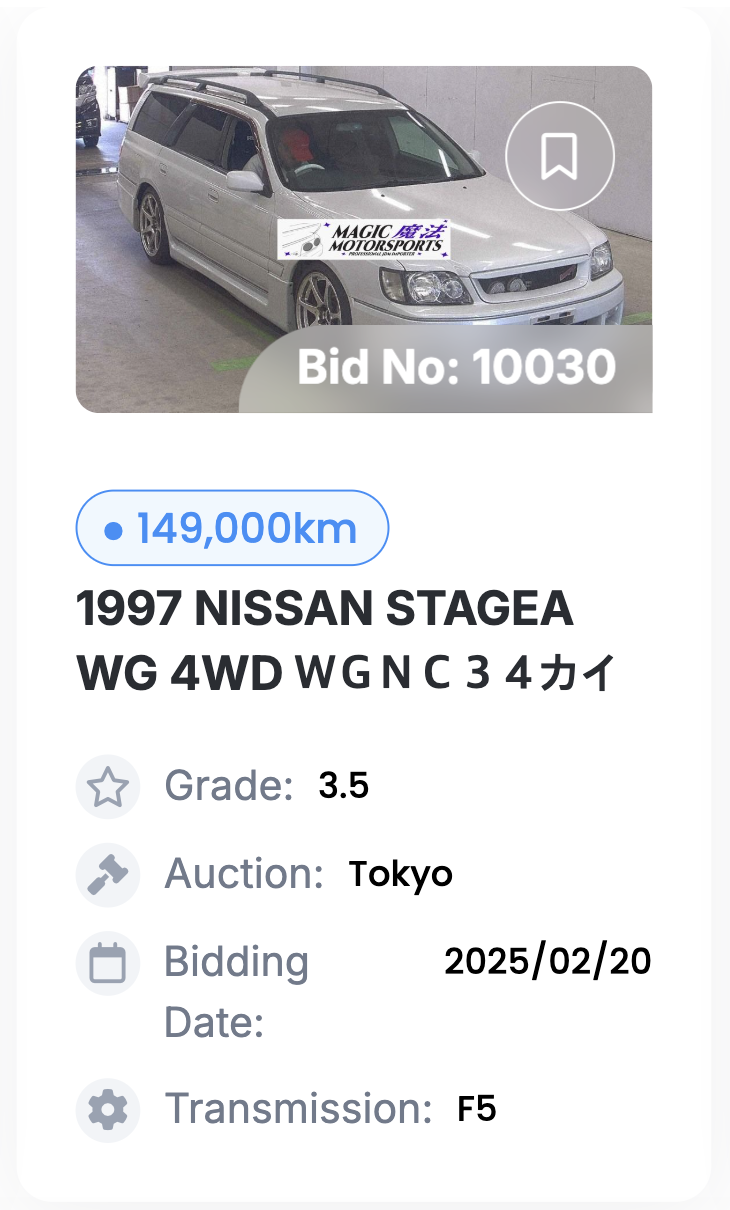
Explore Auction Vehicles
Browse the latest JDM cars up for auction and find your next car.
Inspection Example
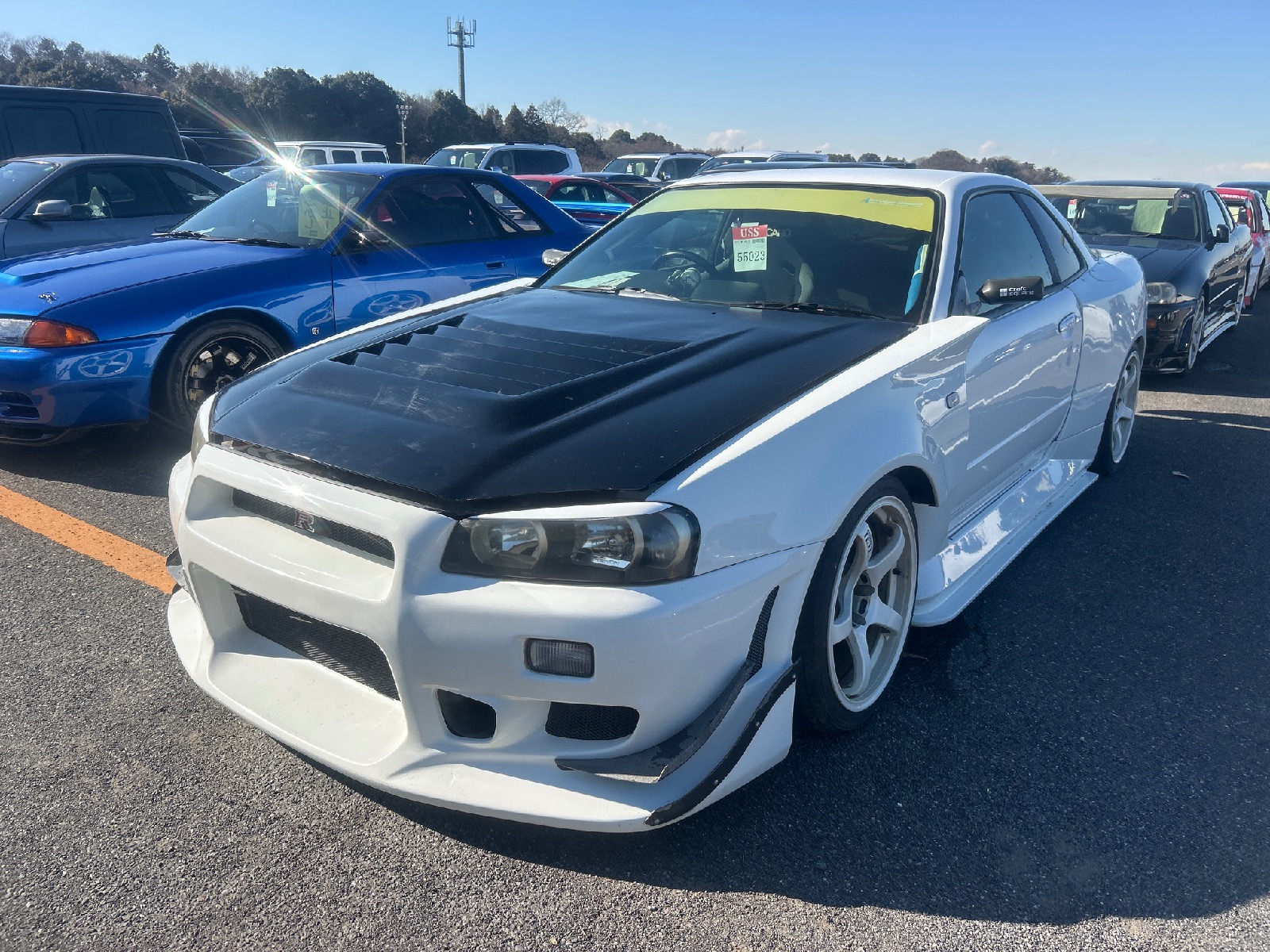
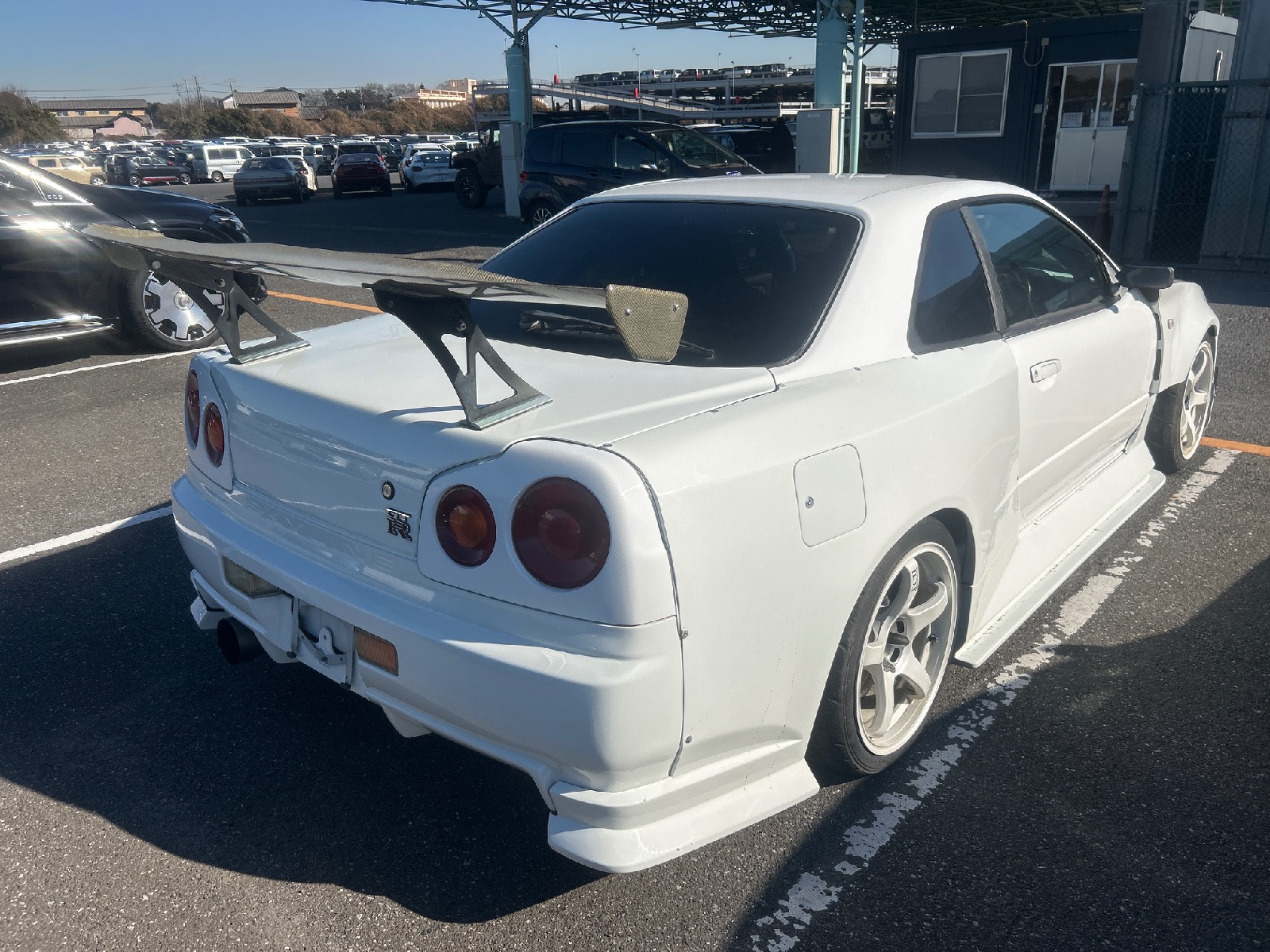
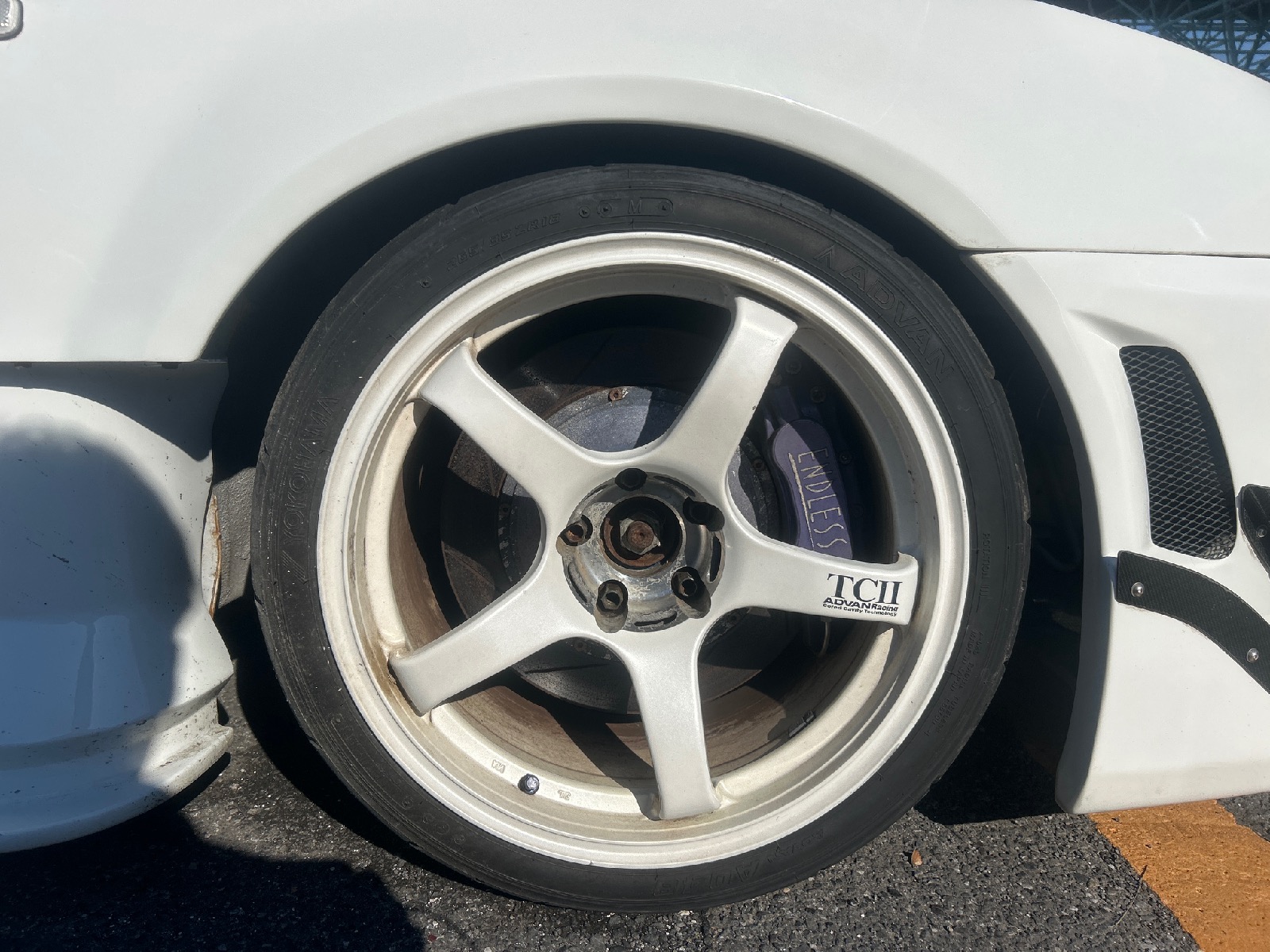
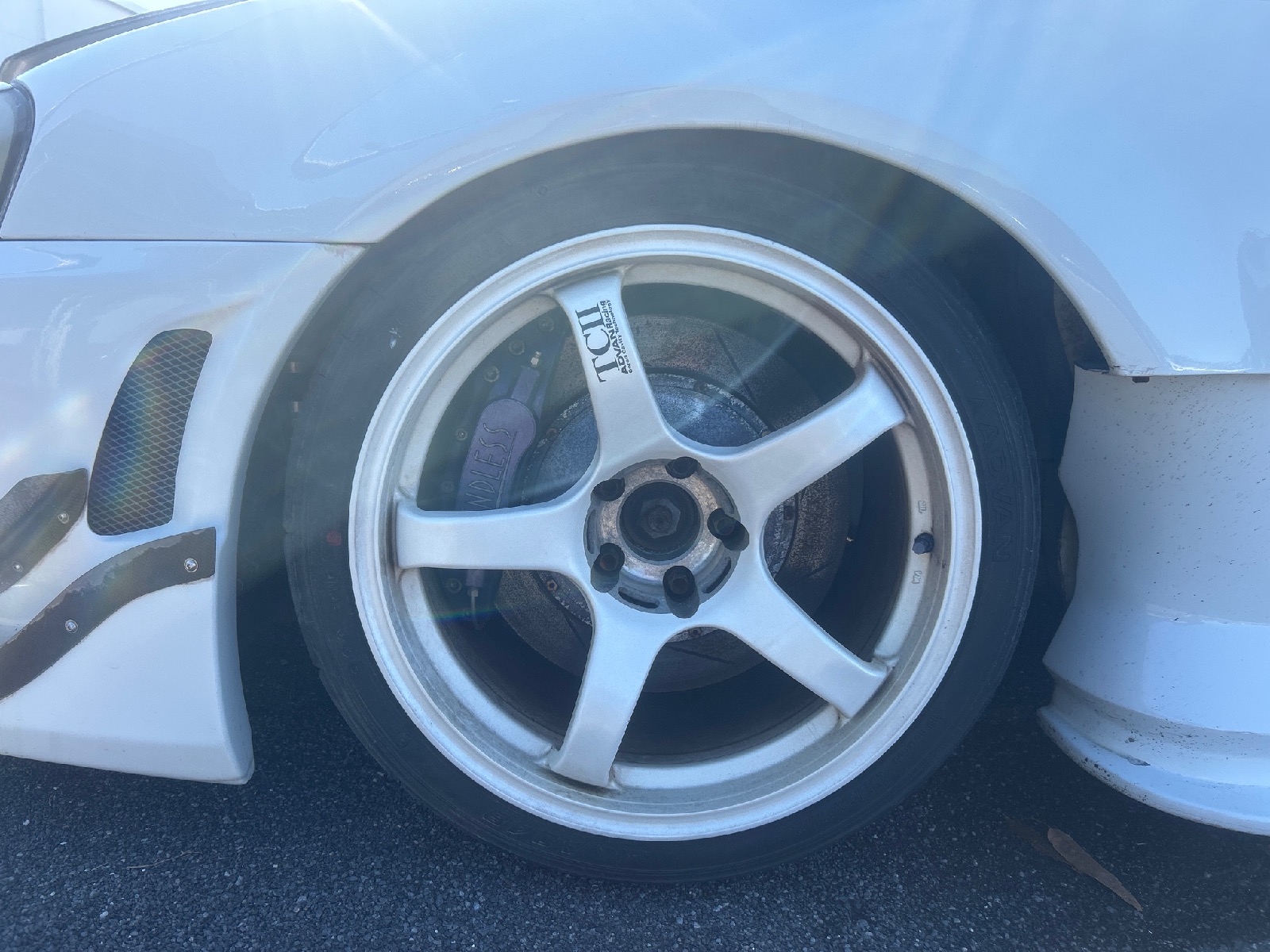
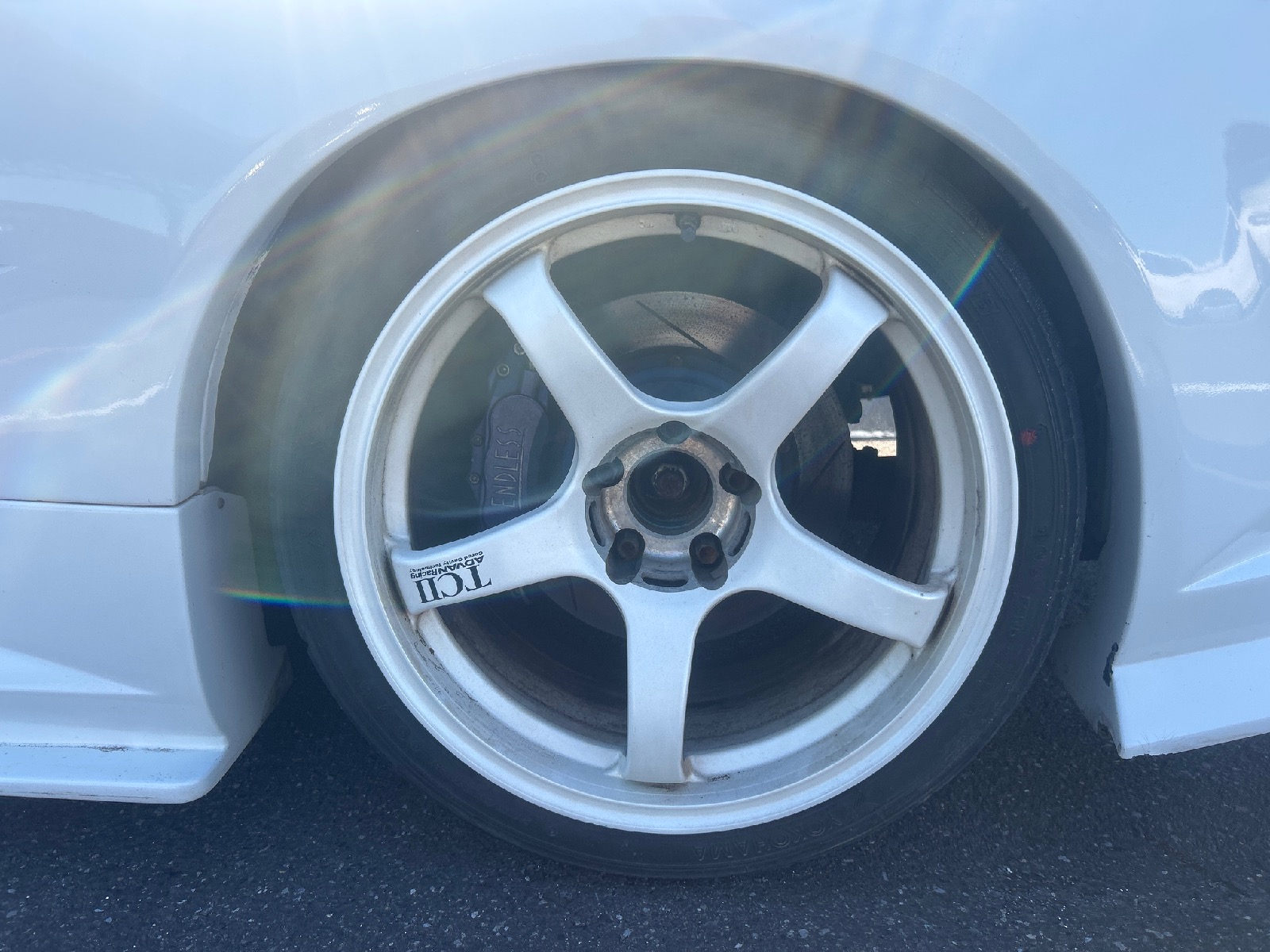
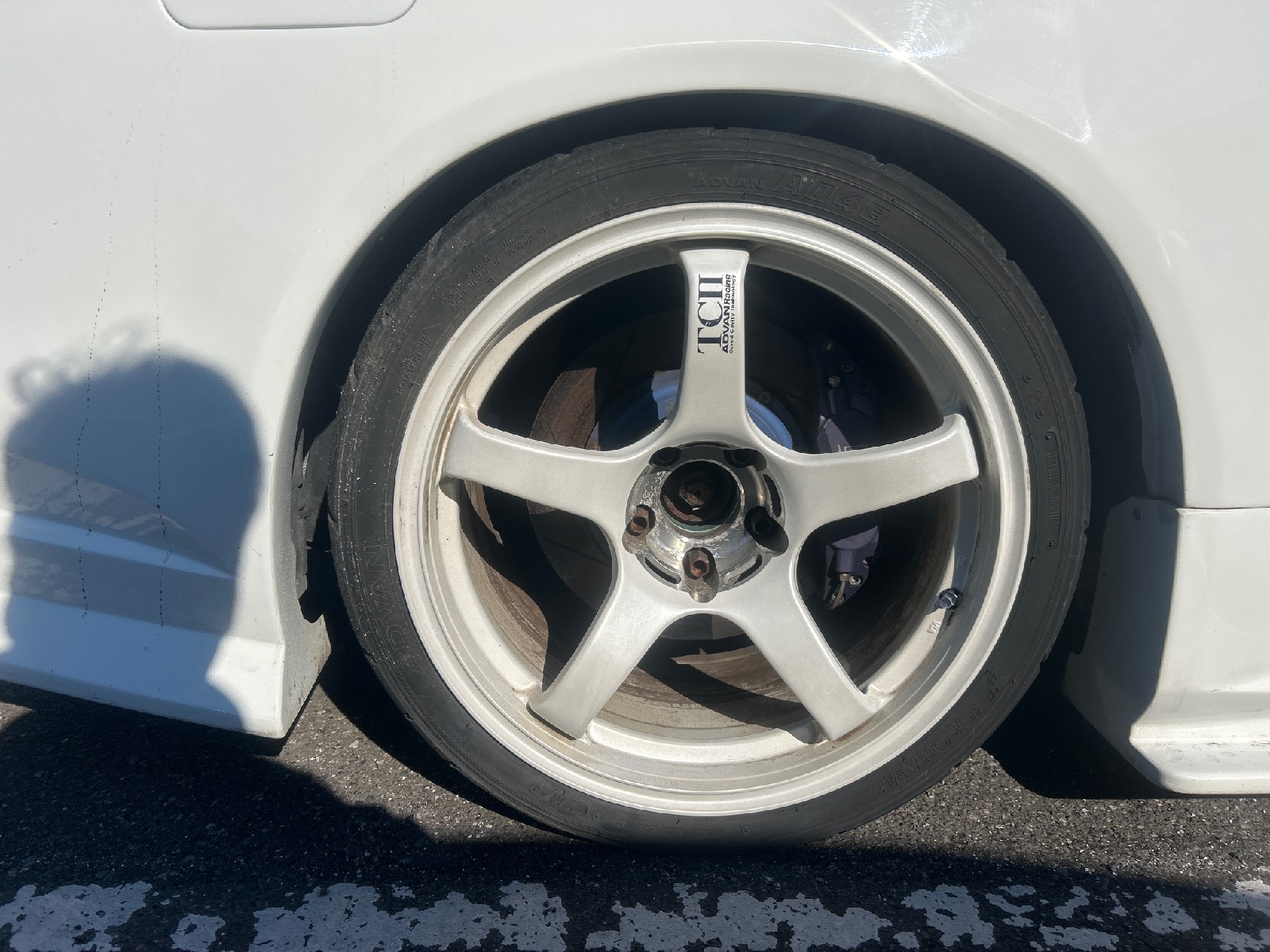
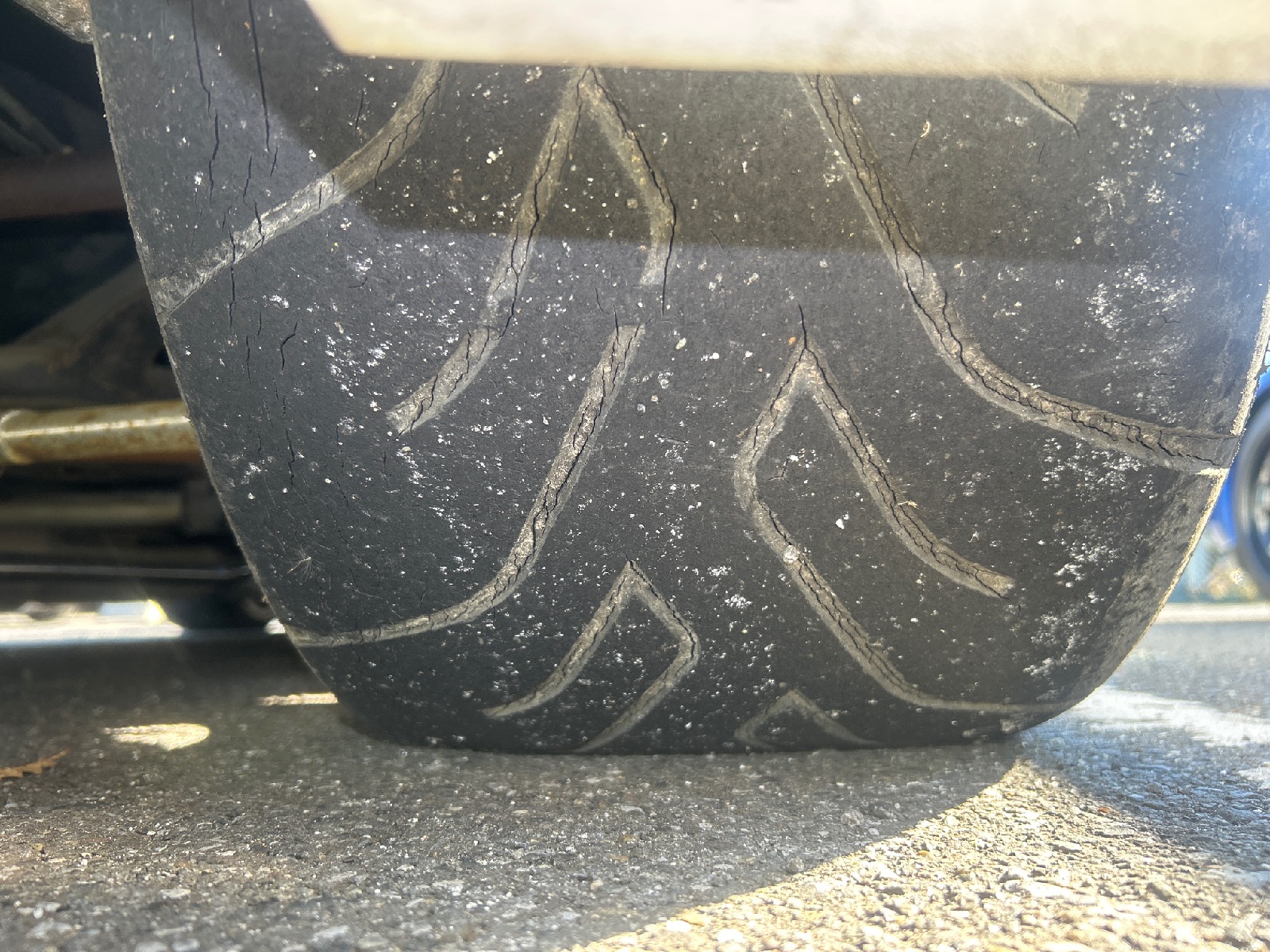
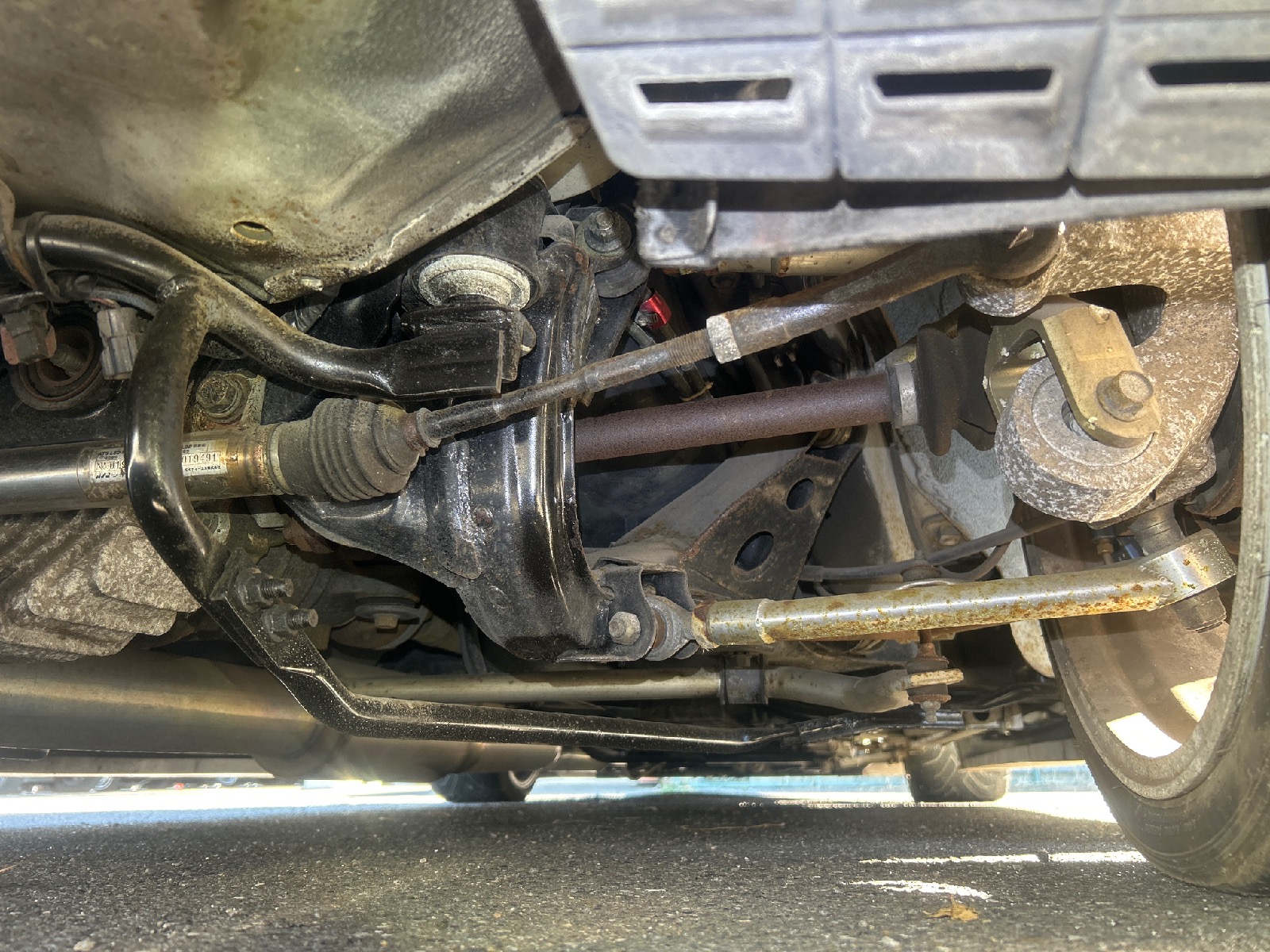
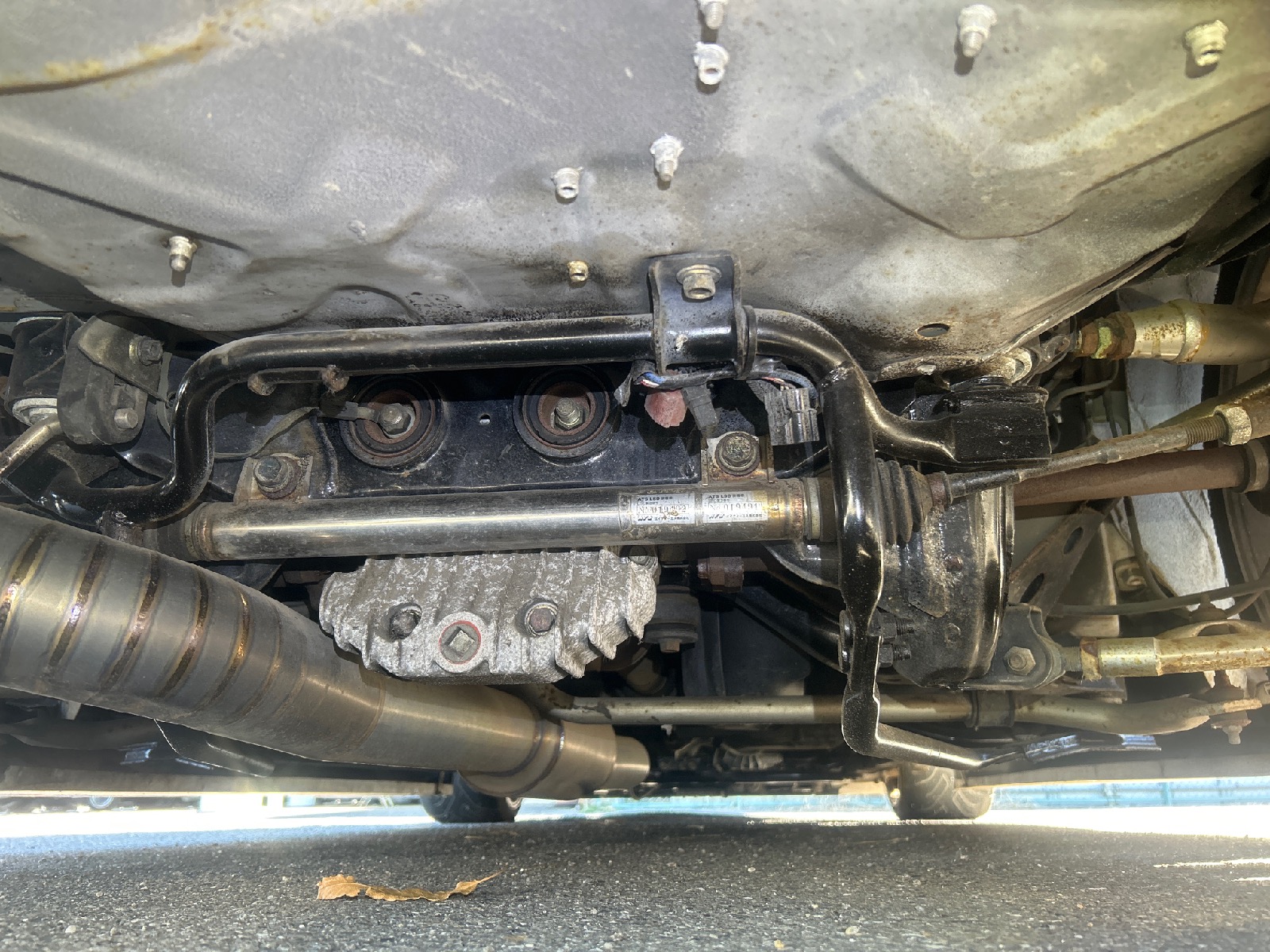
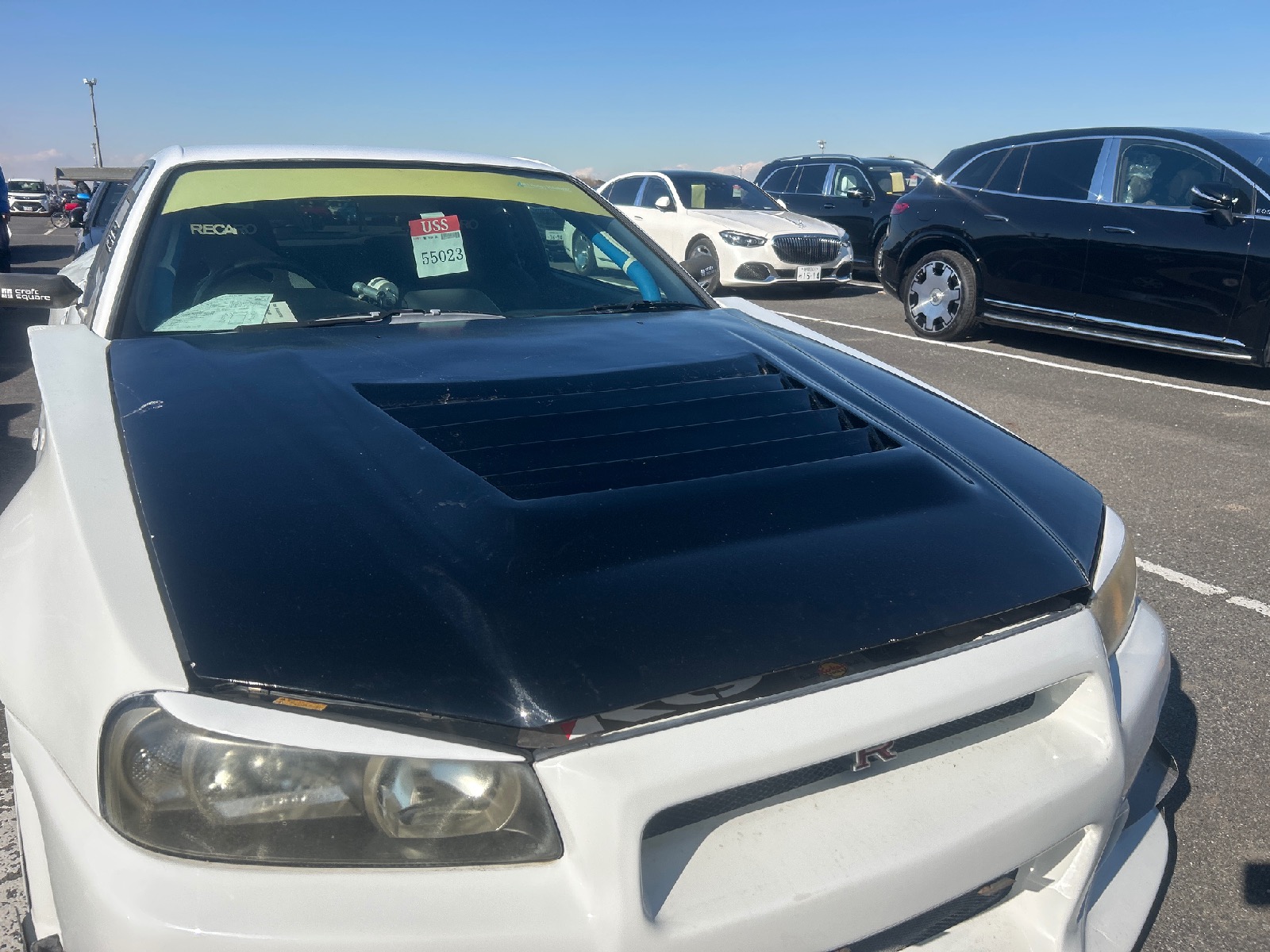
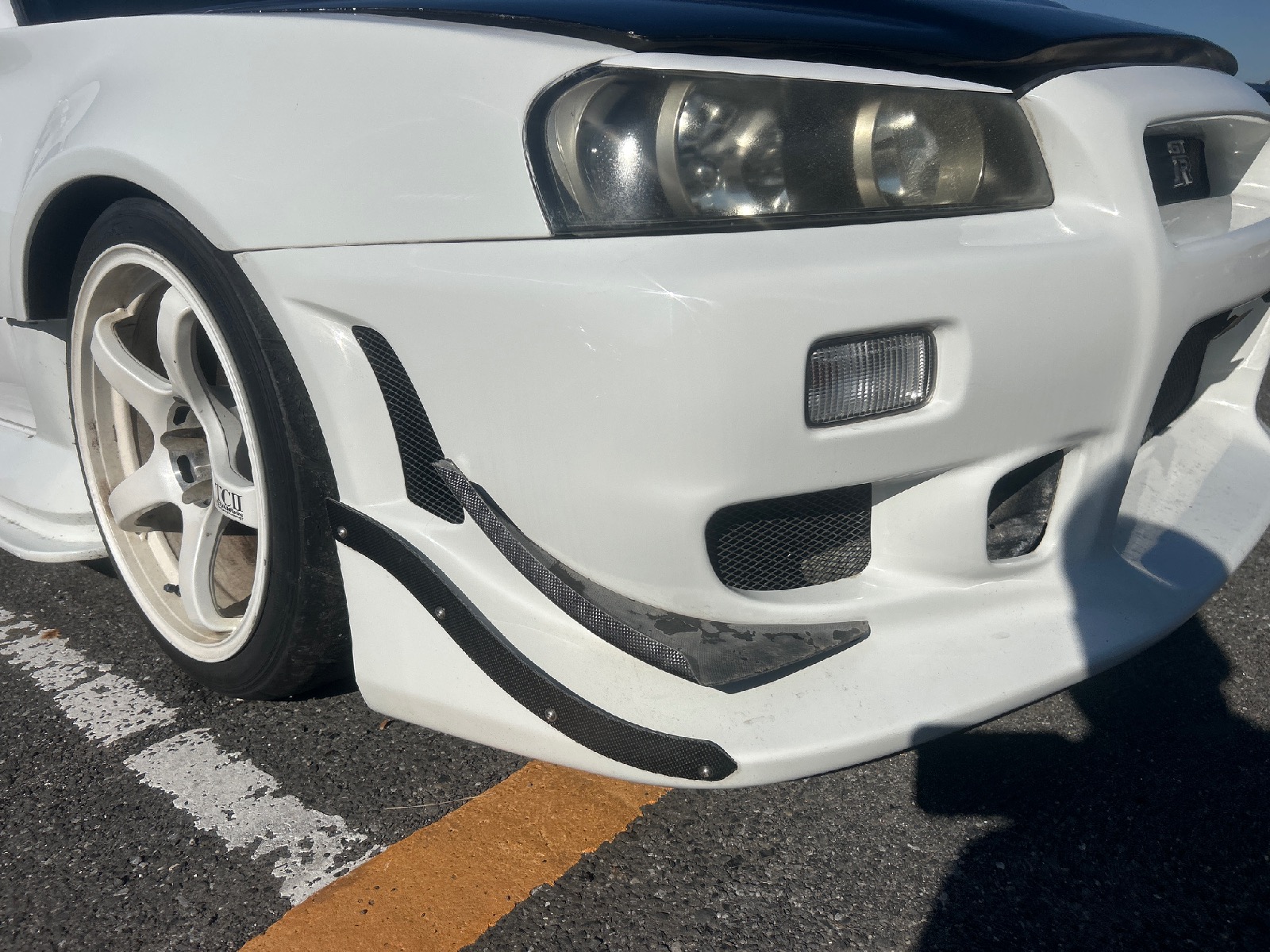
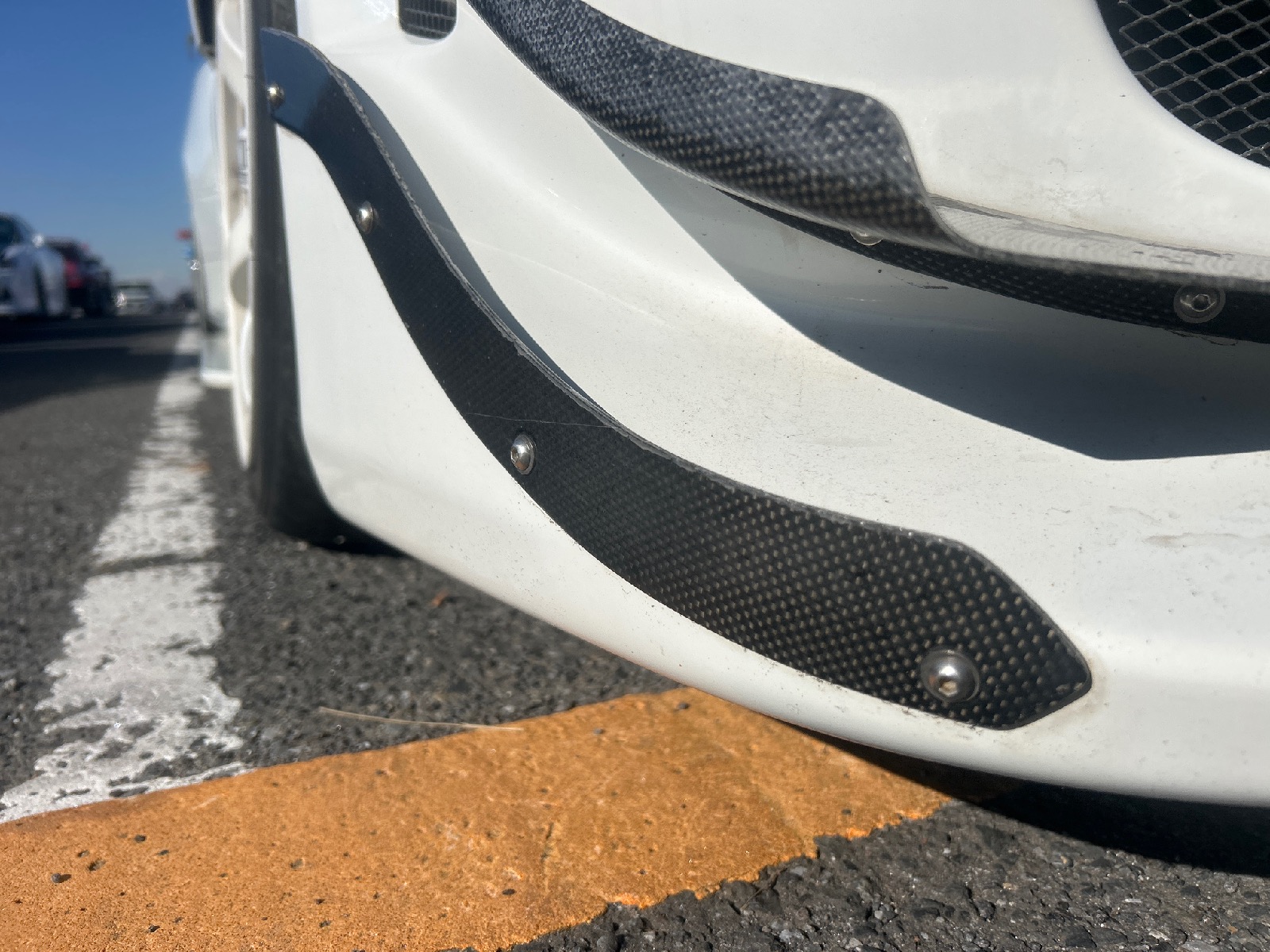
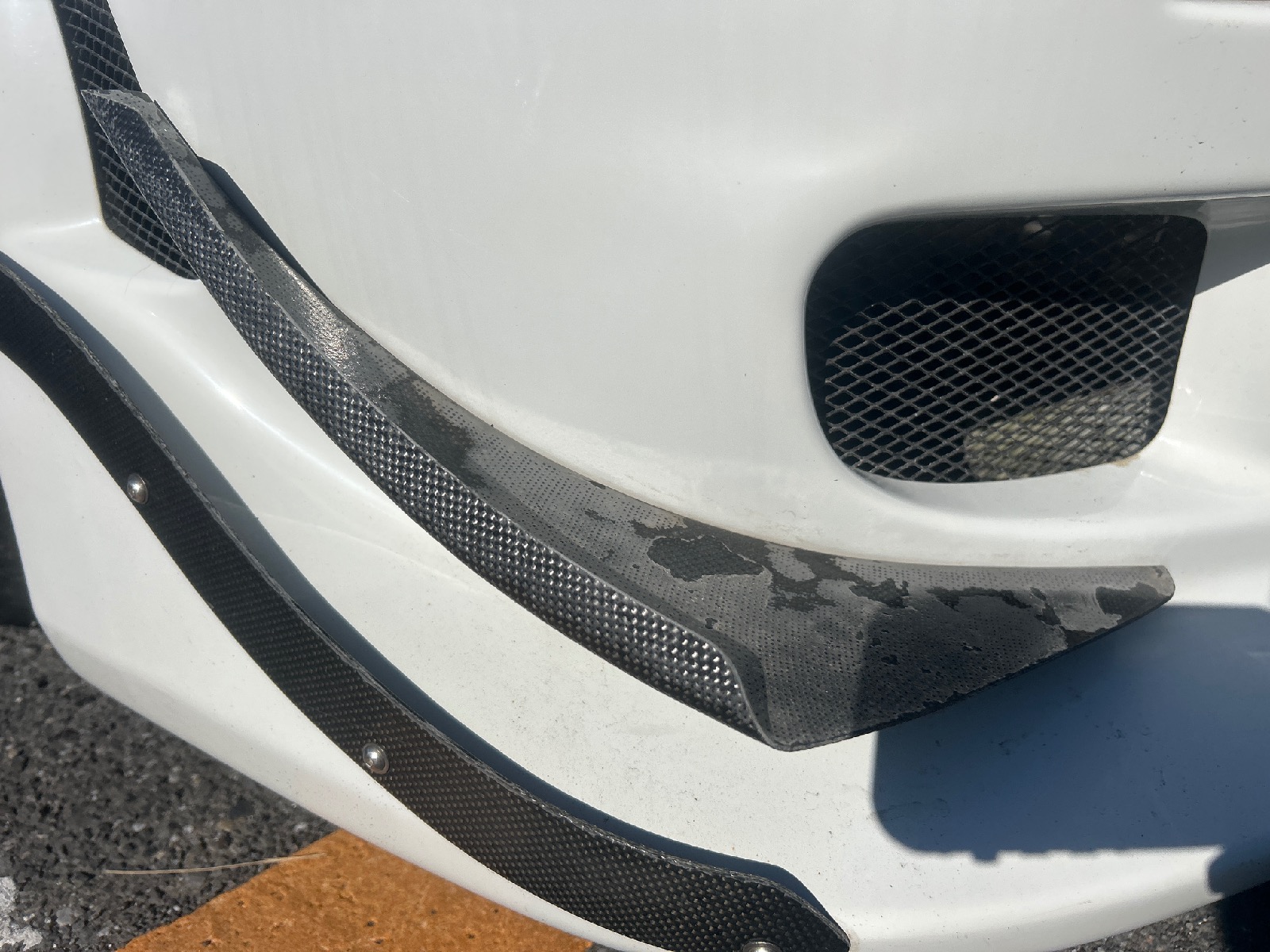
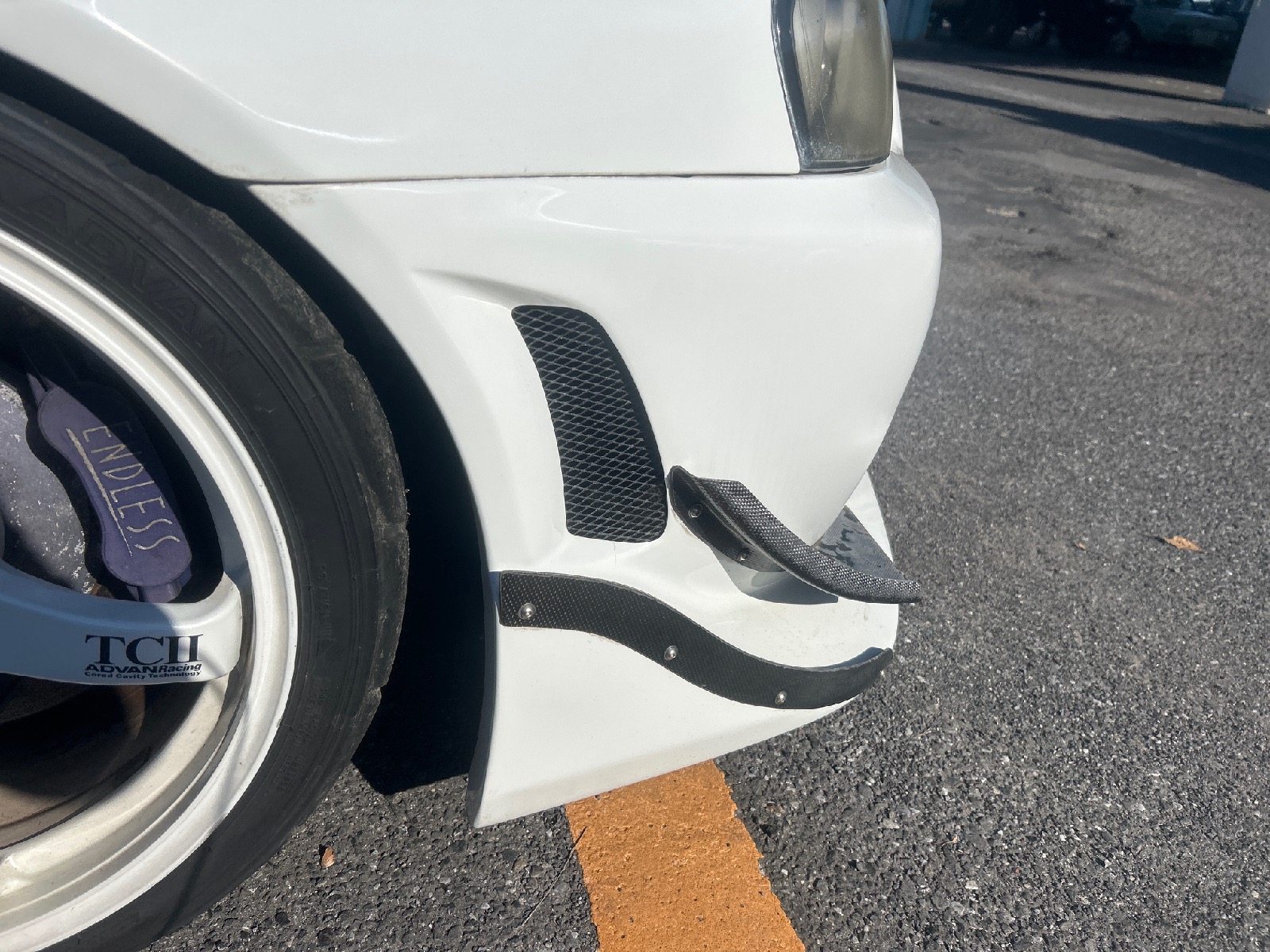
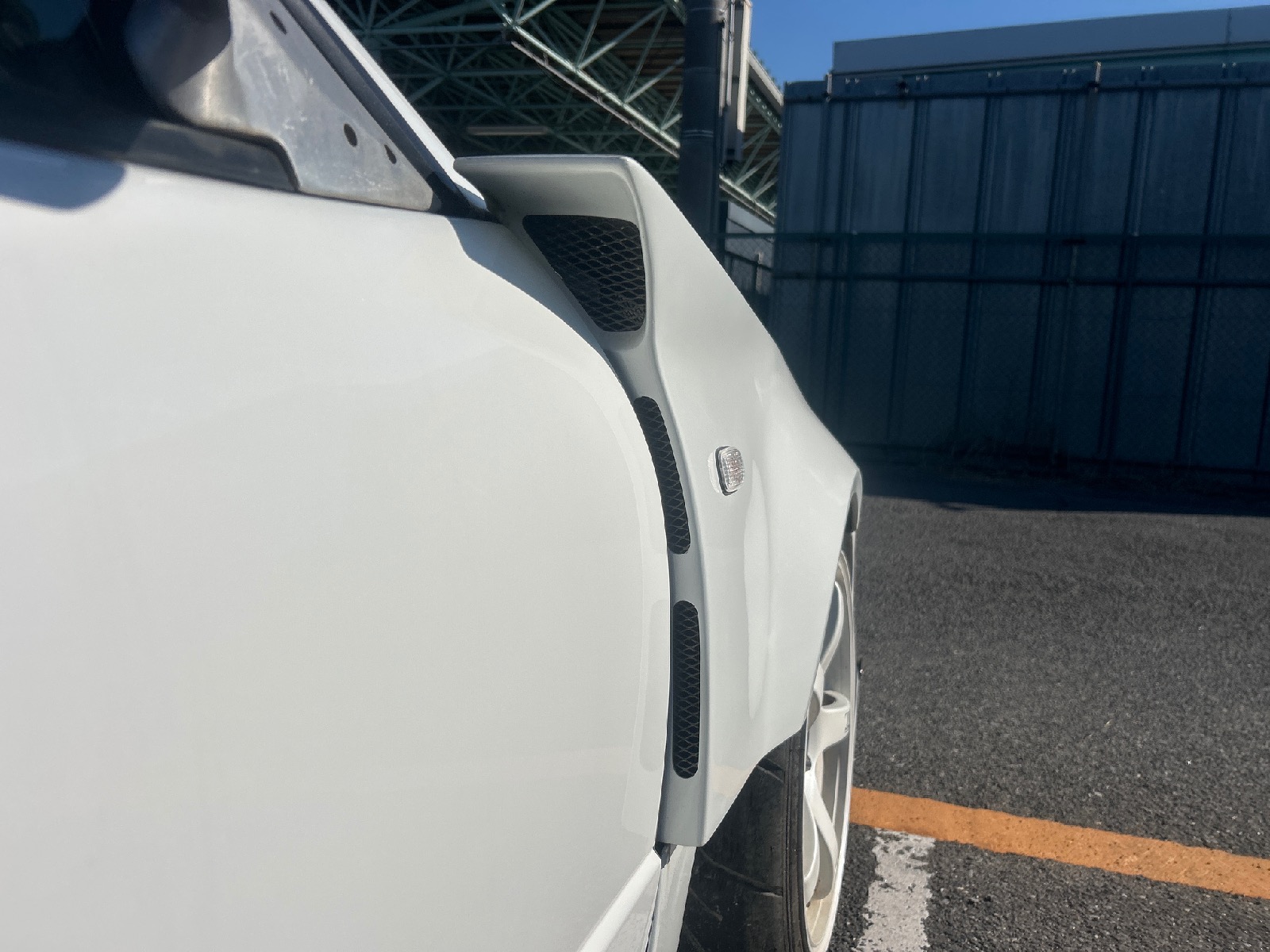
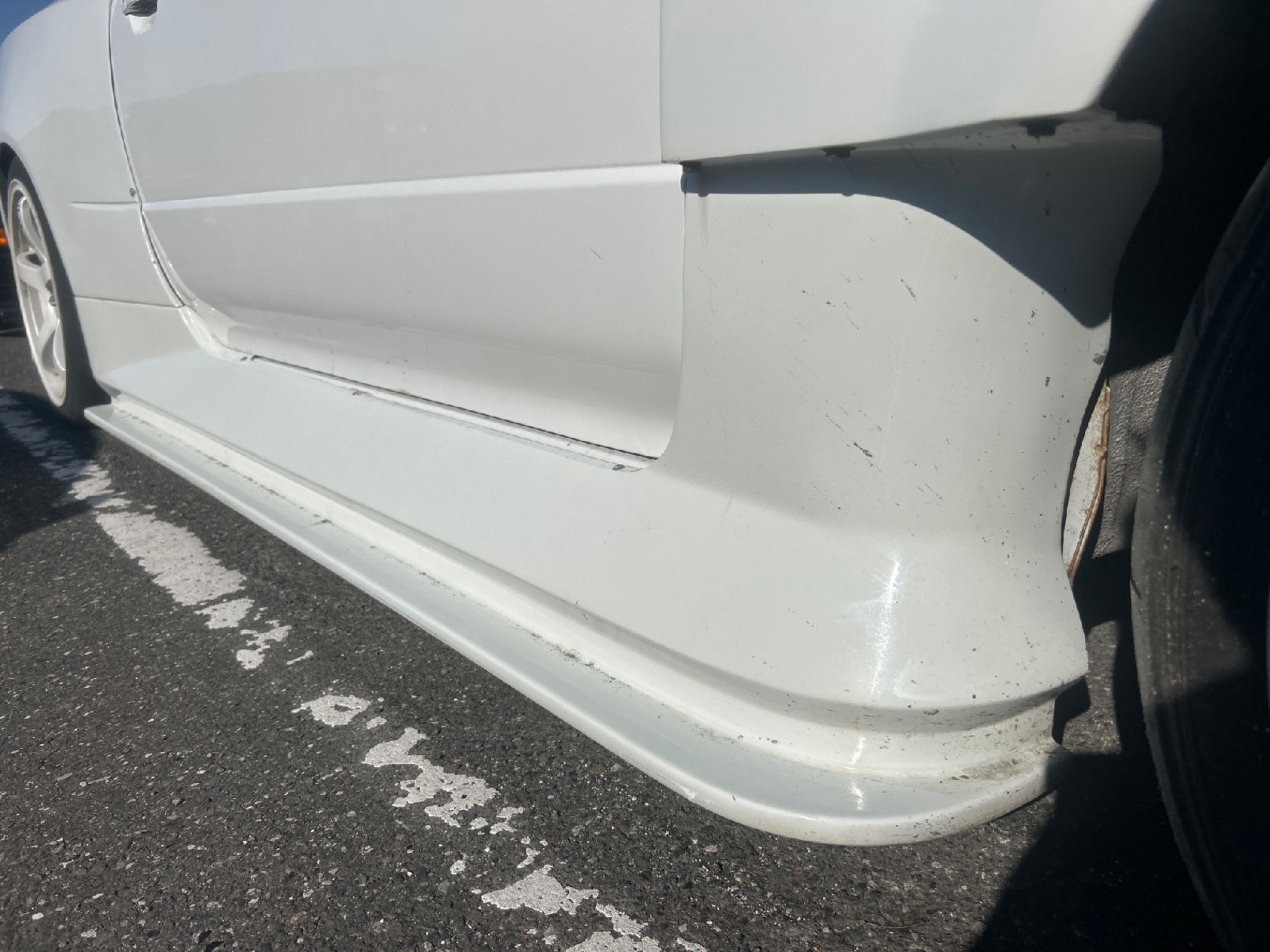
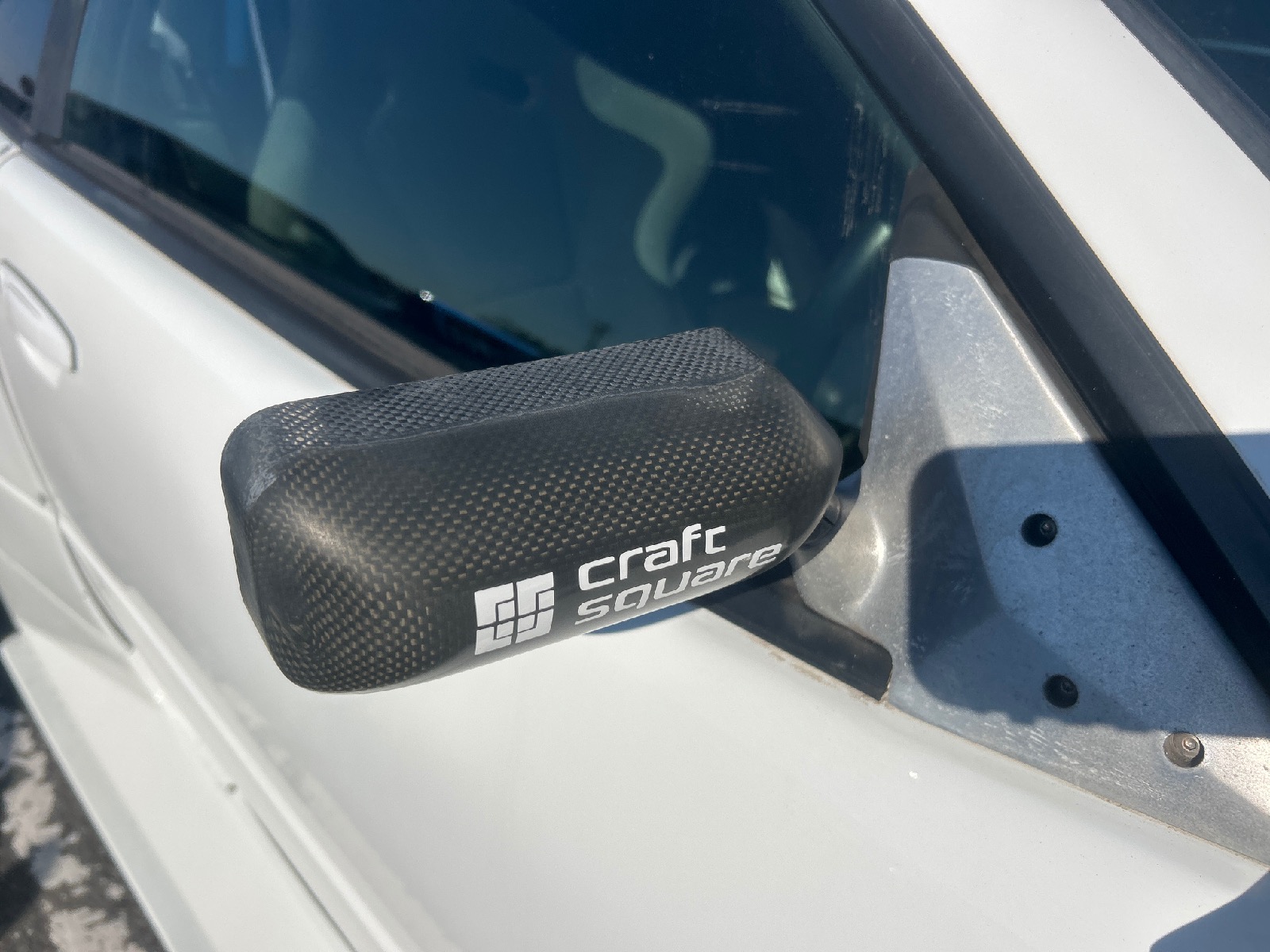
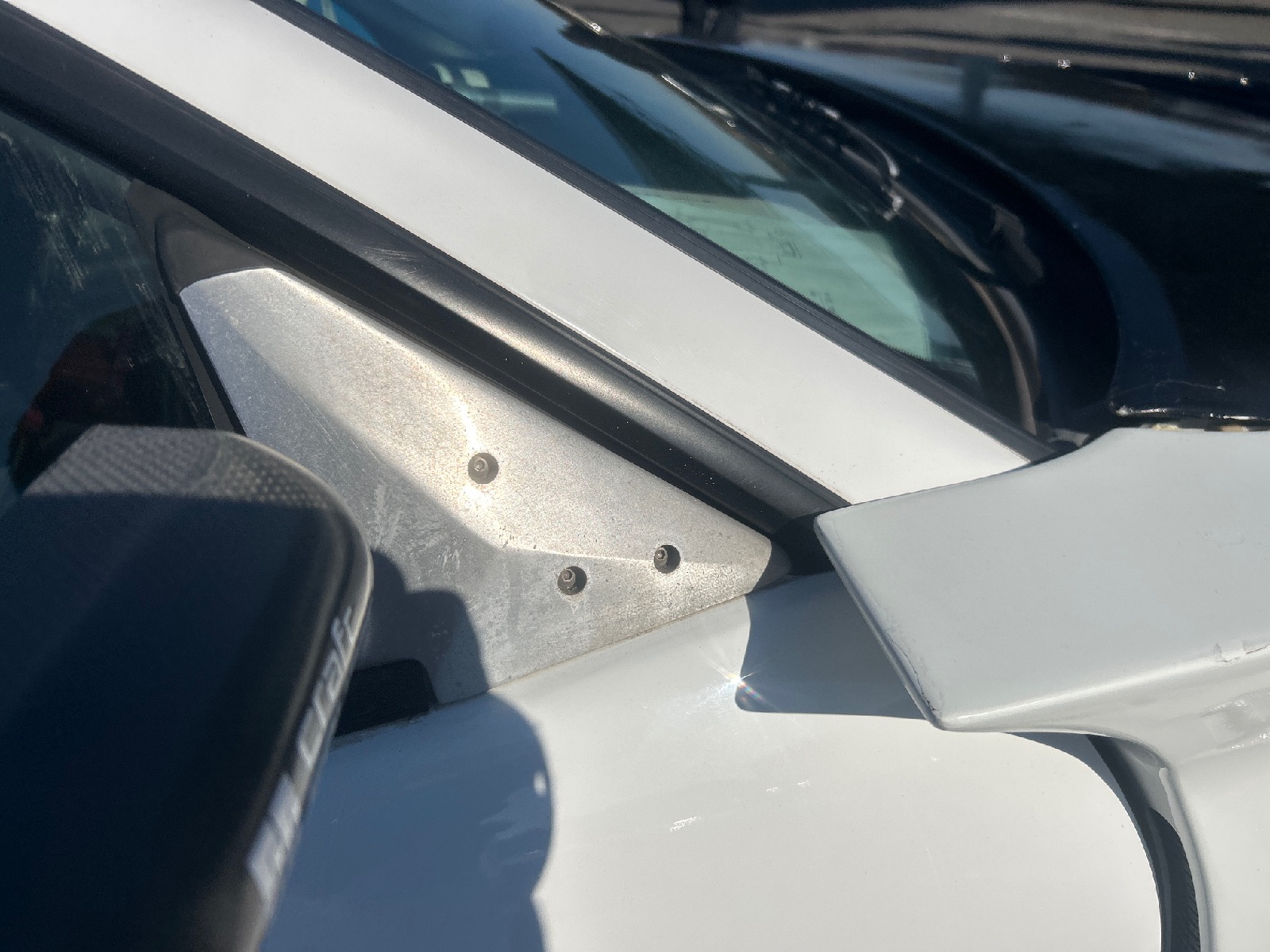
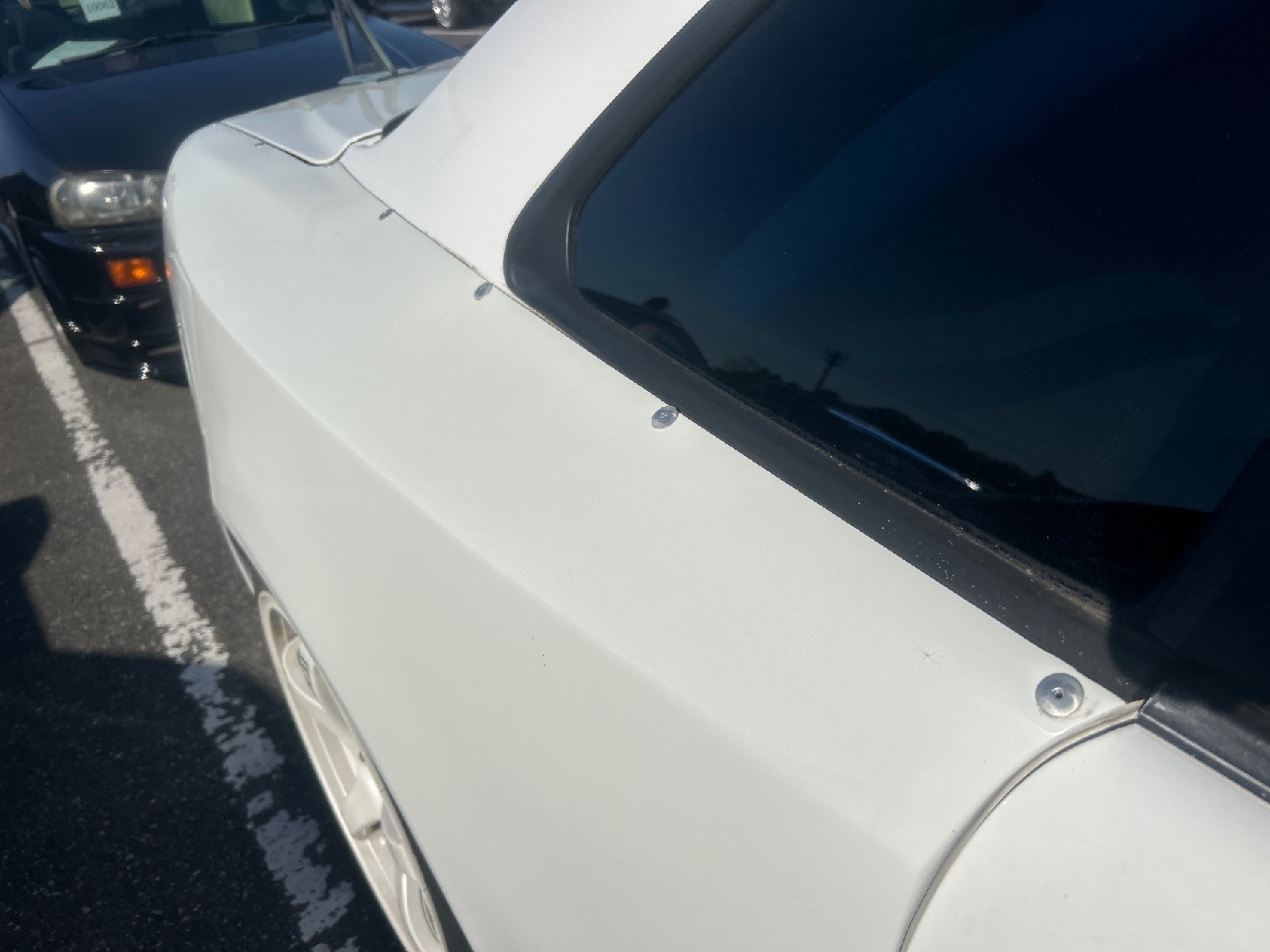
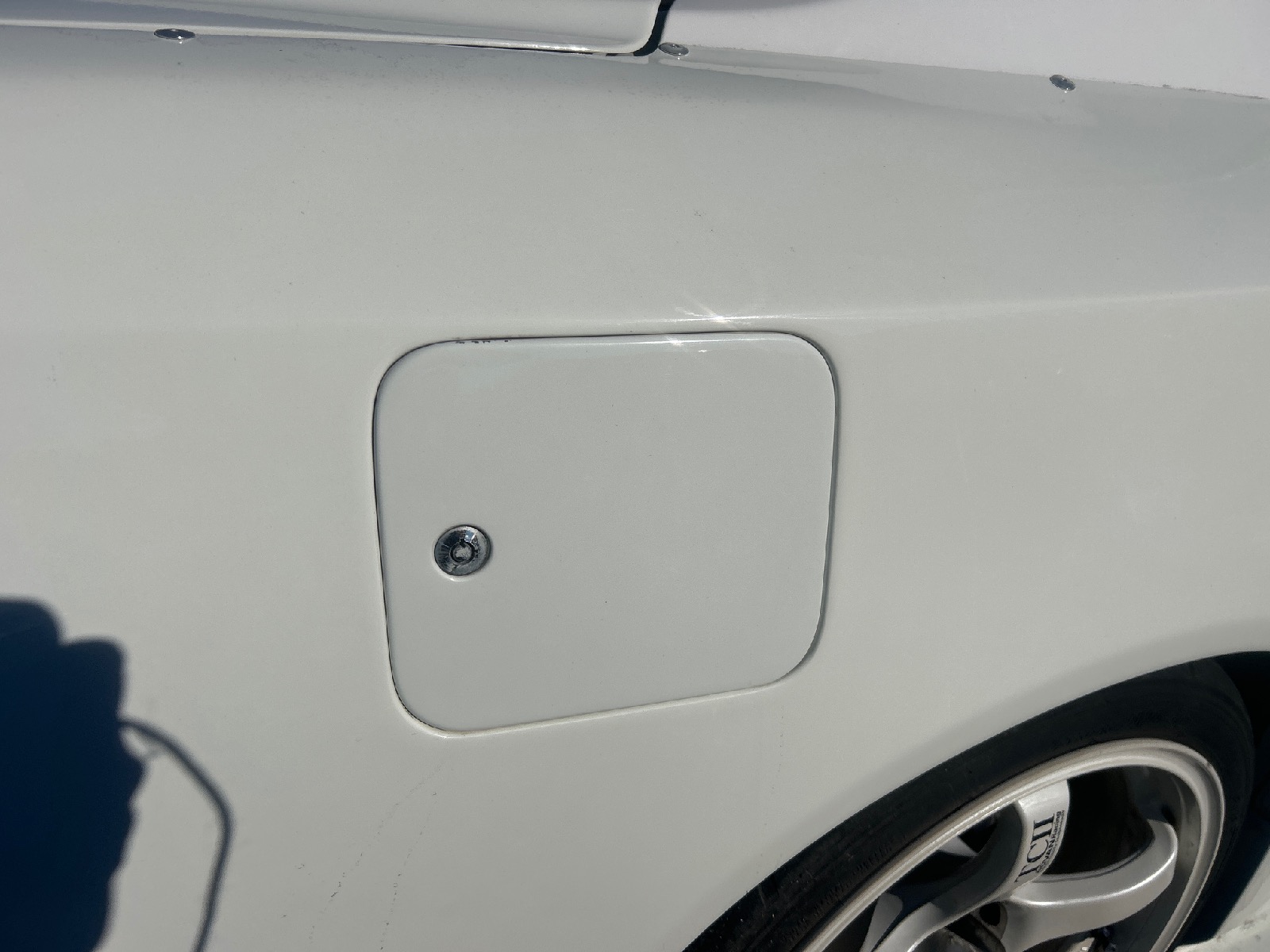
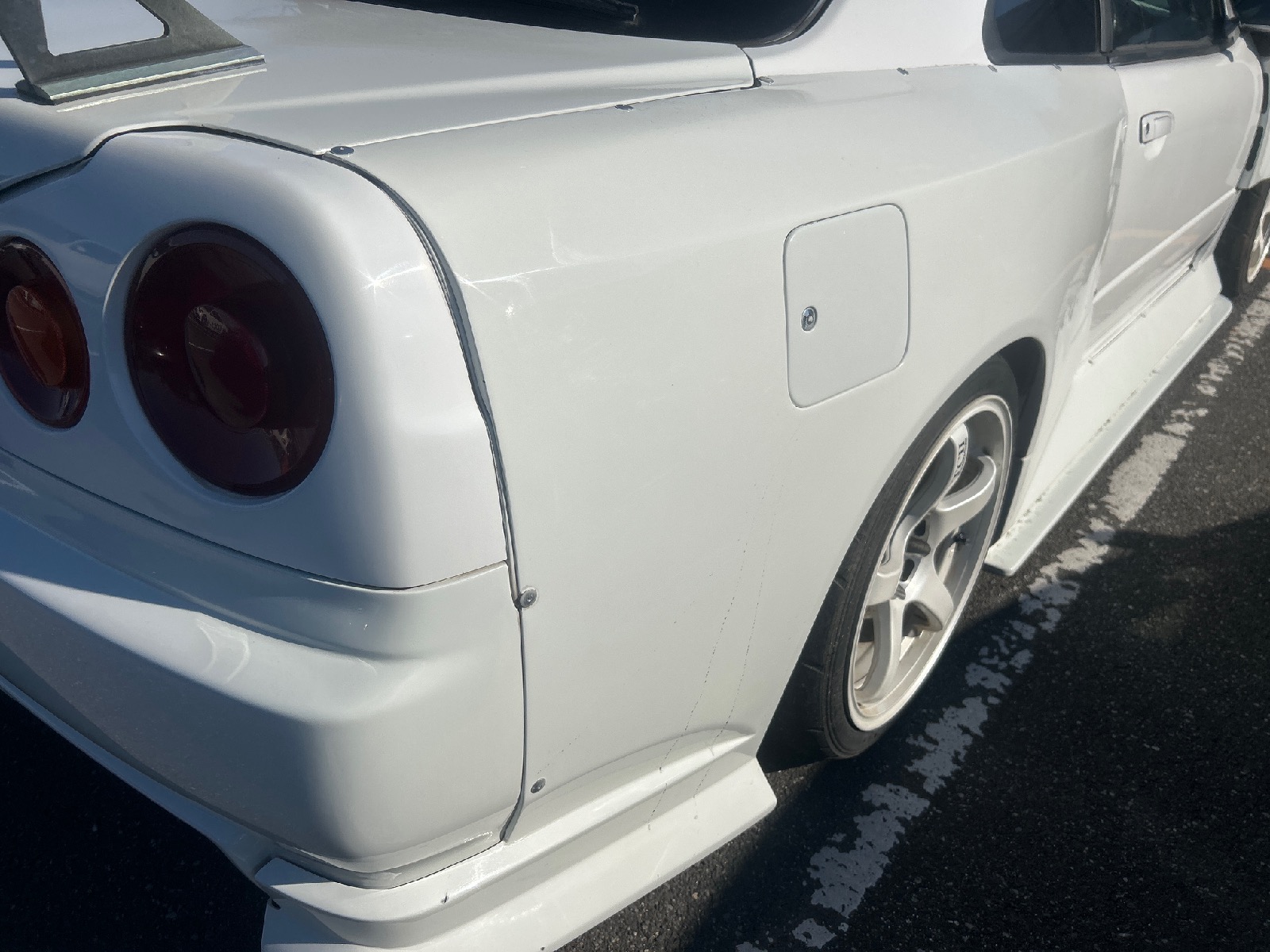
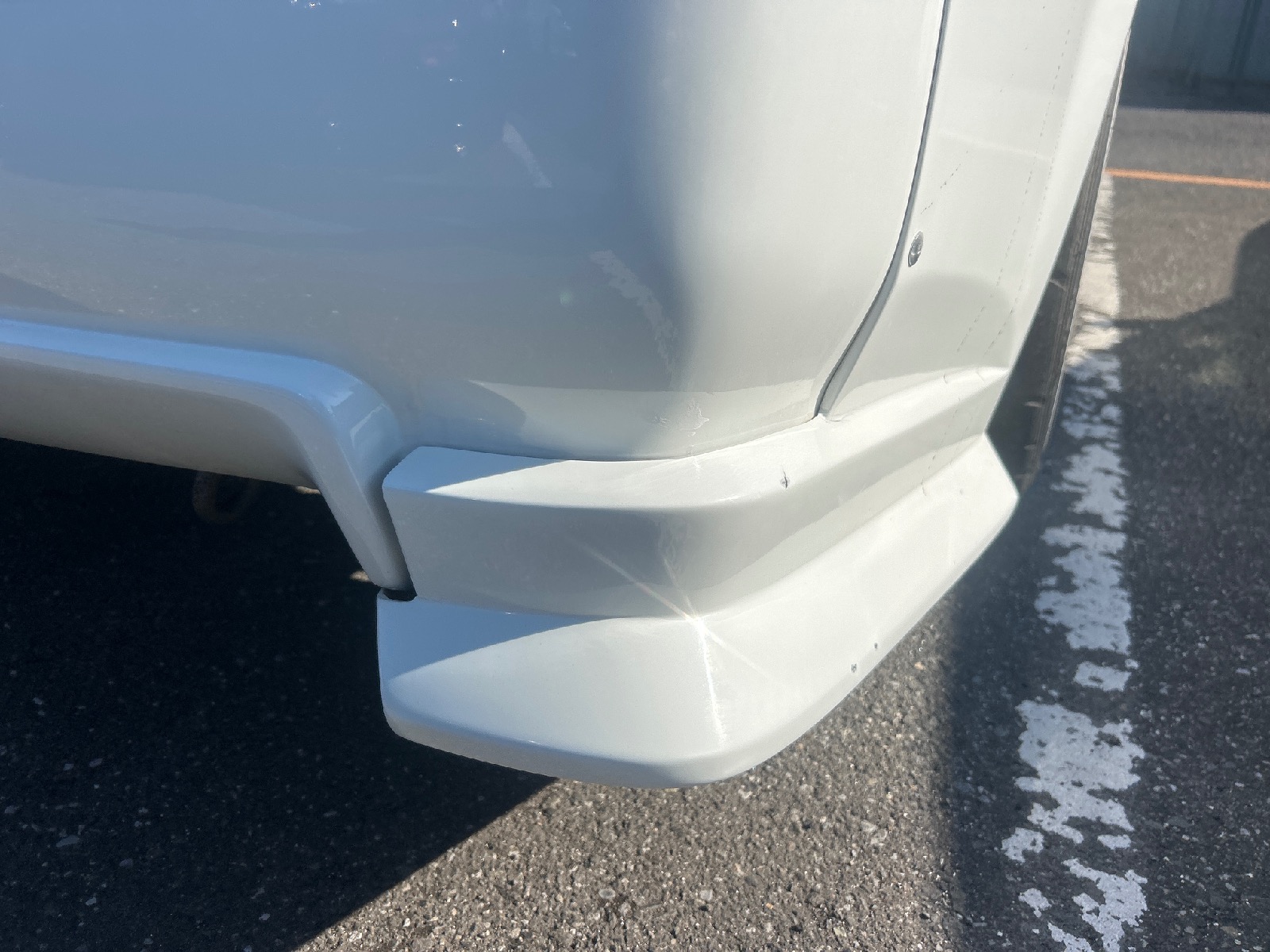
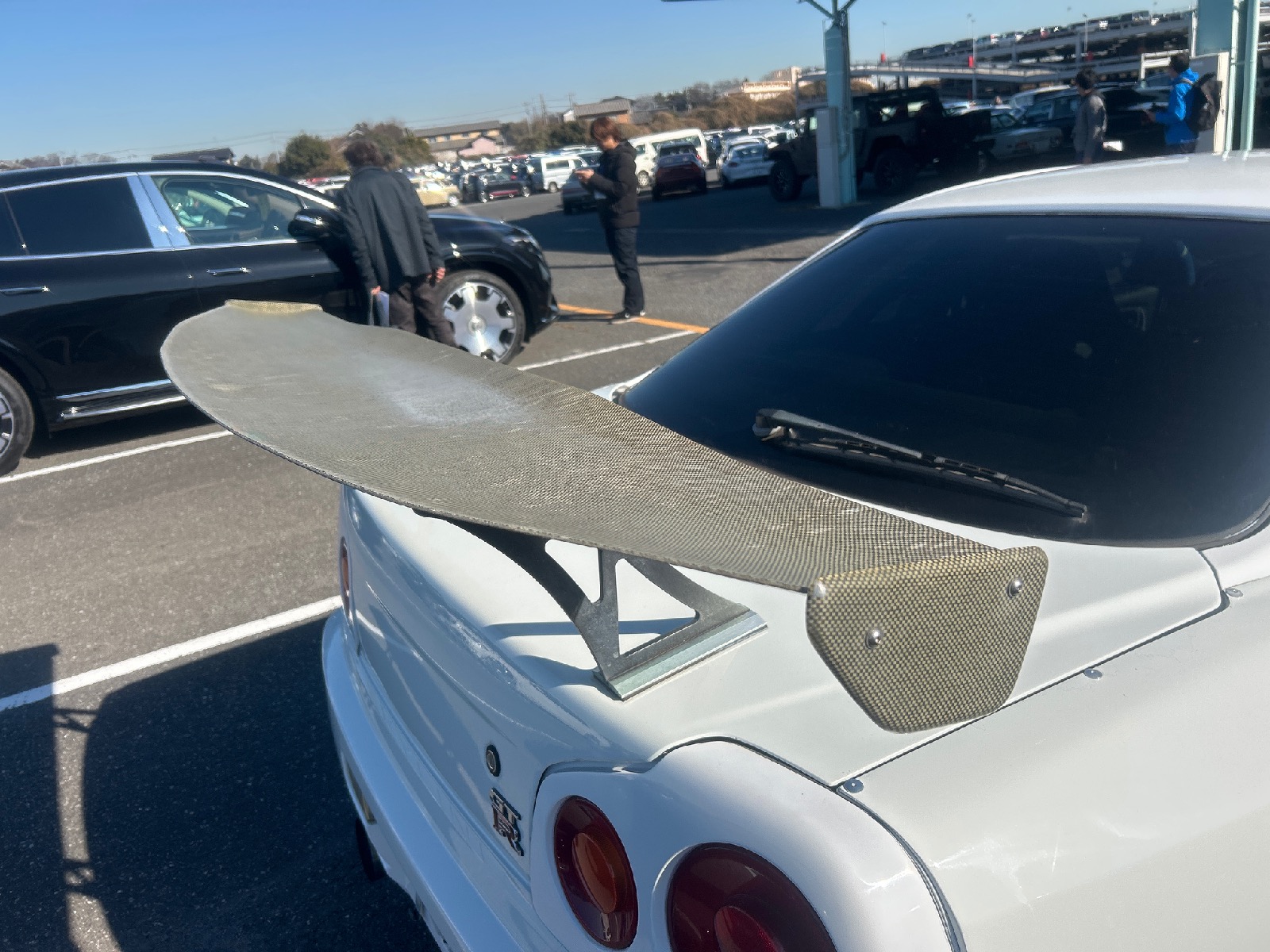
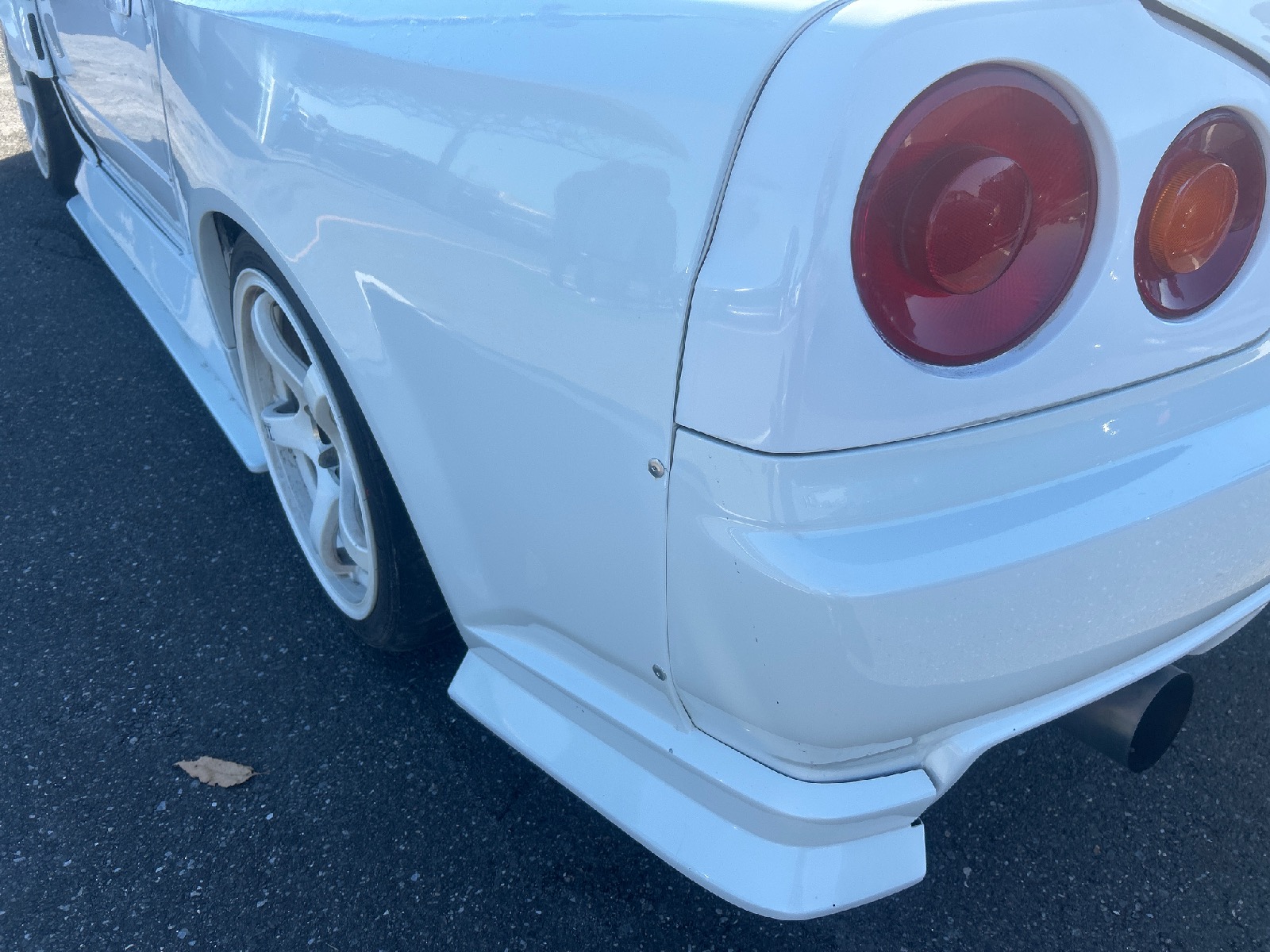
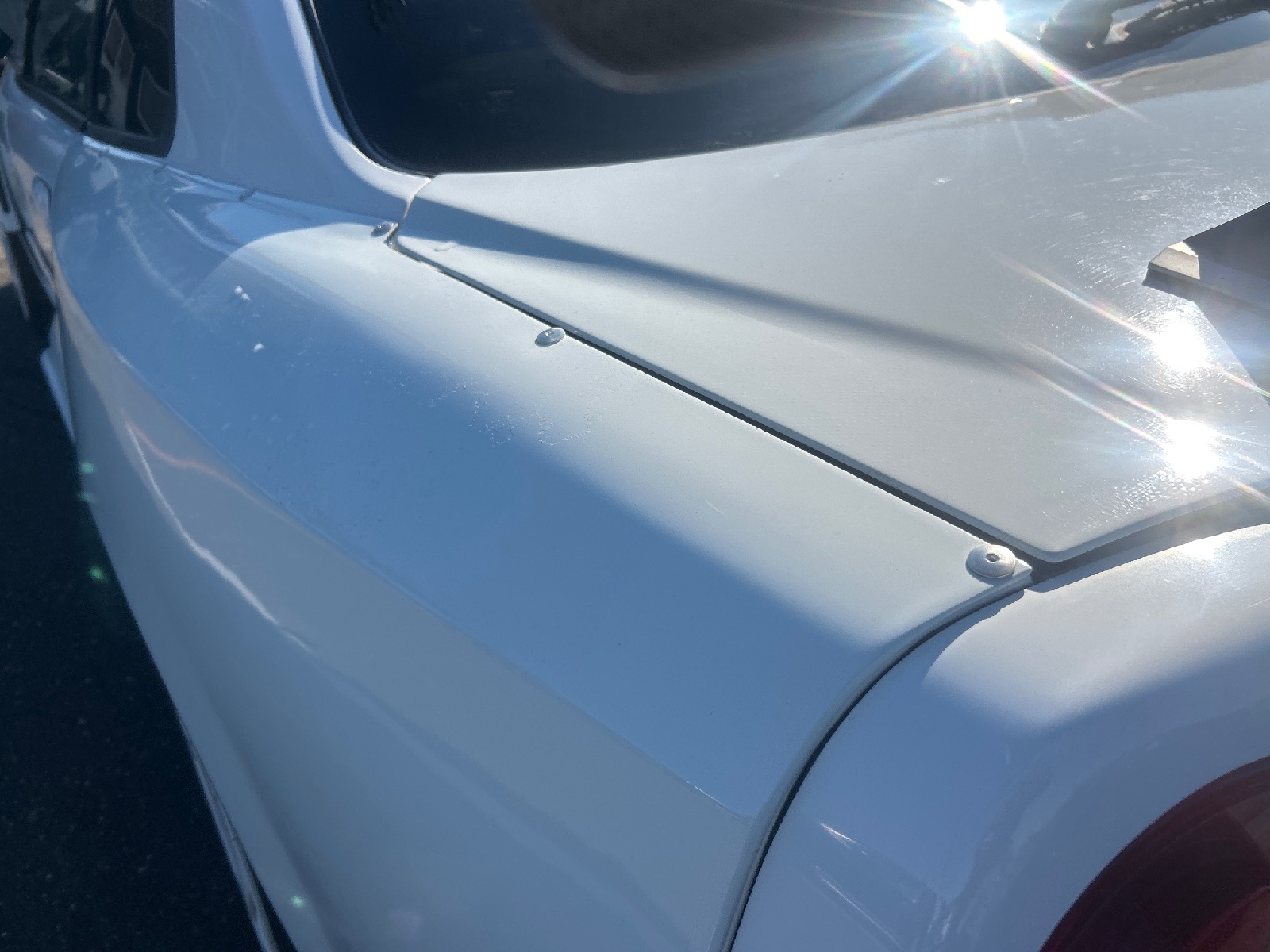
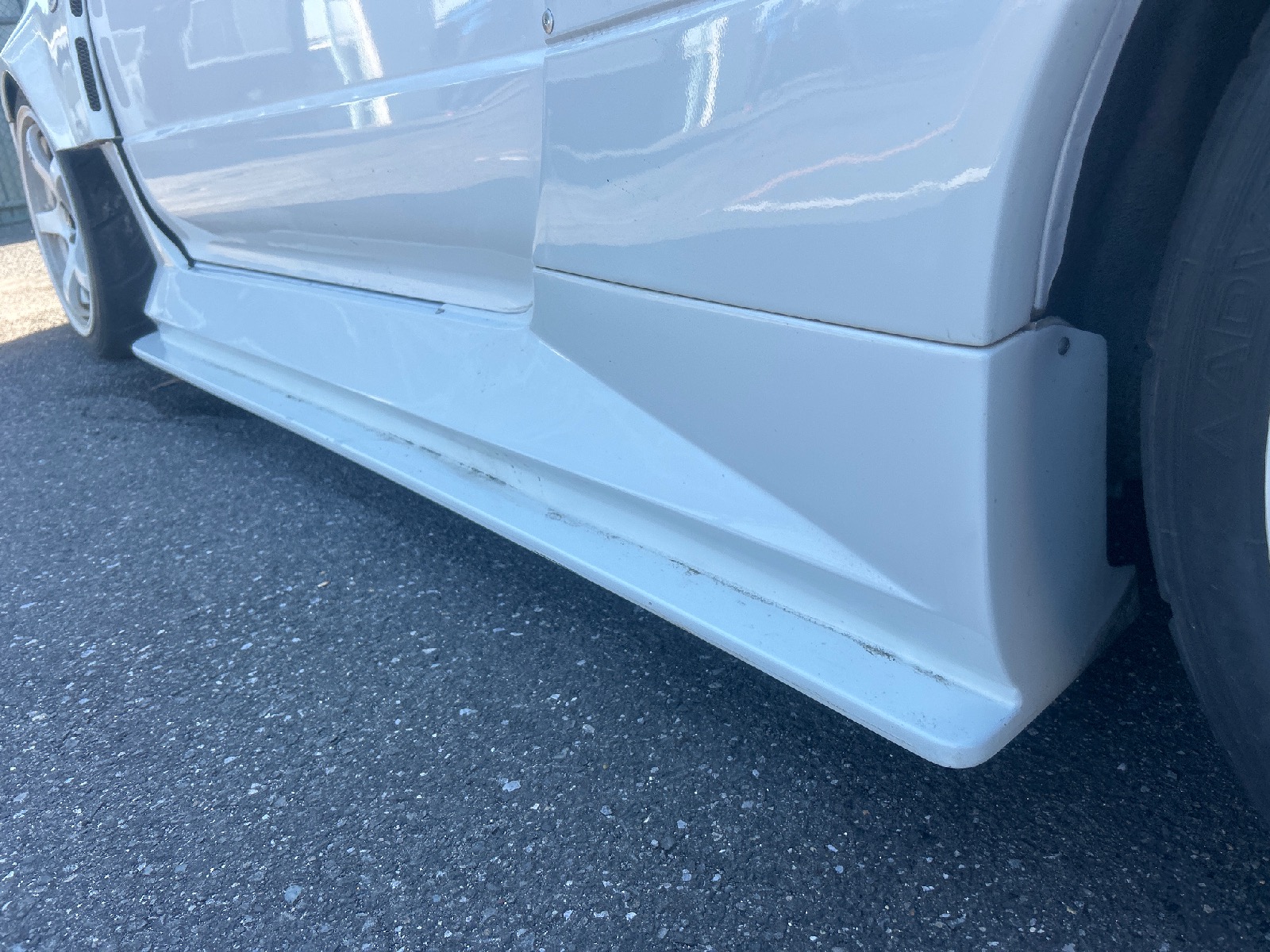
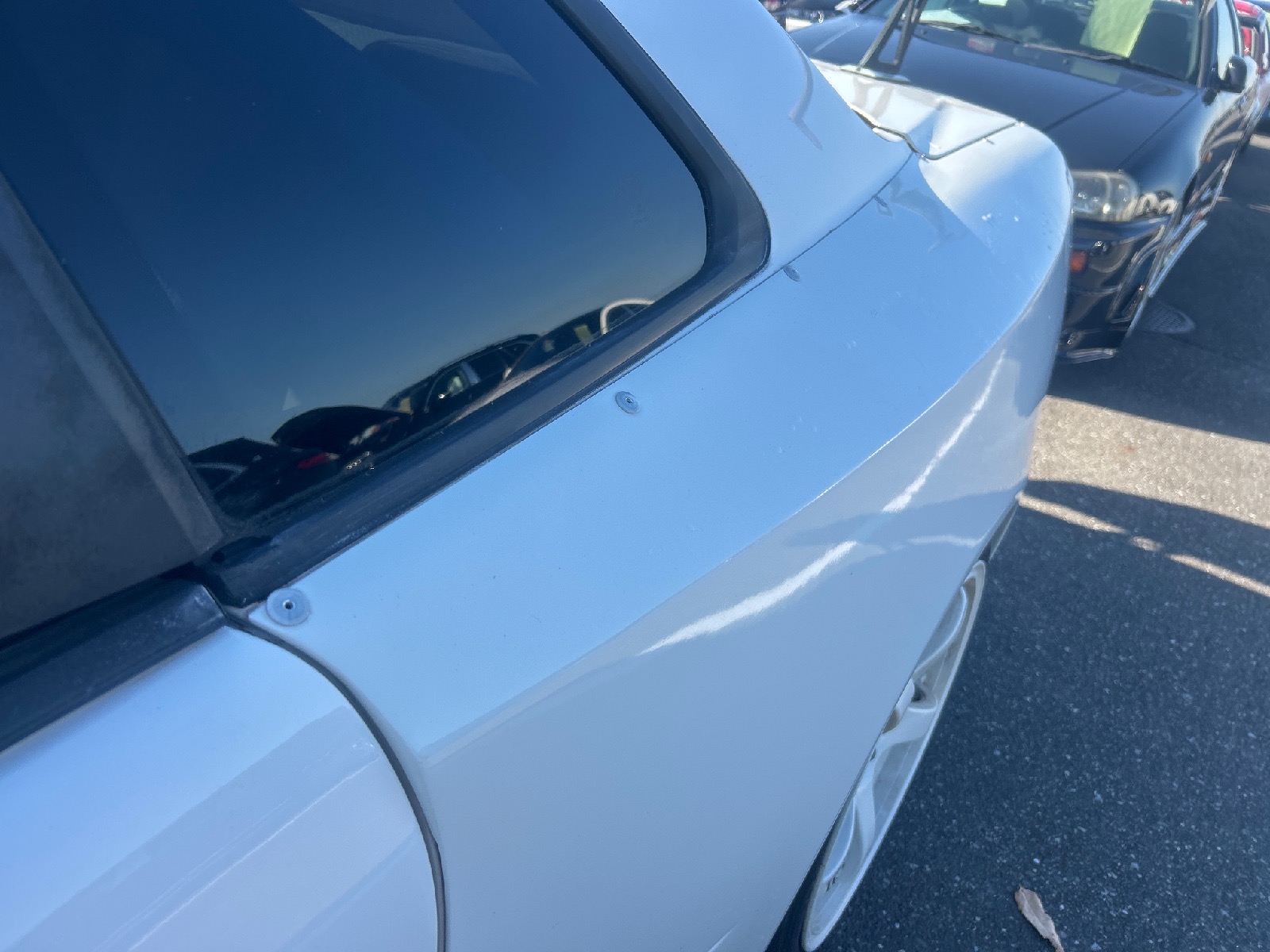
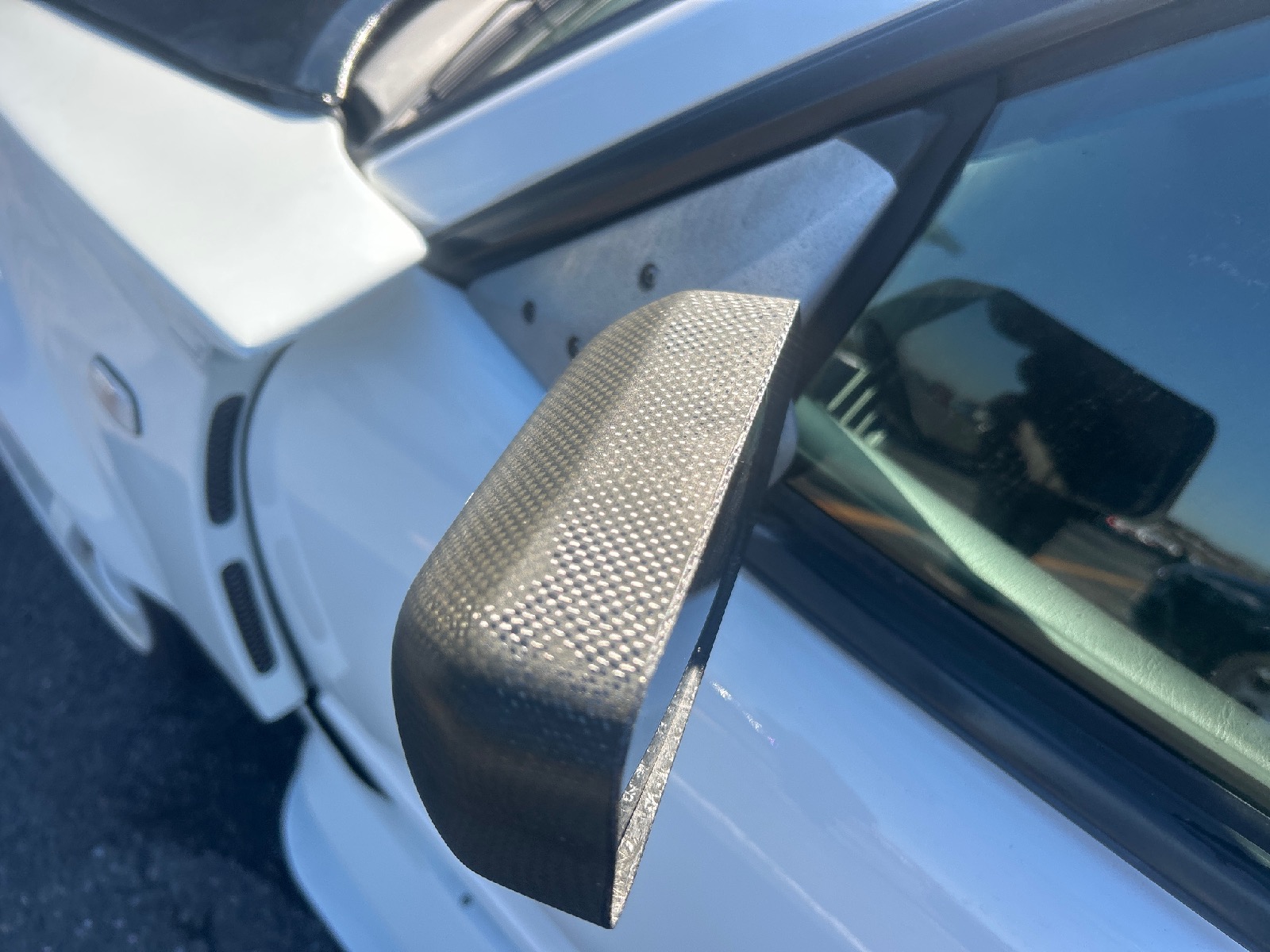
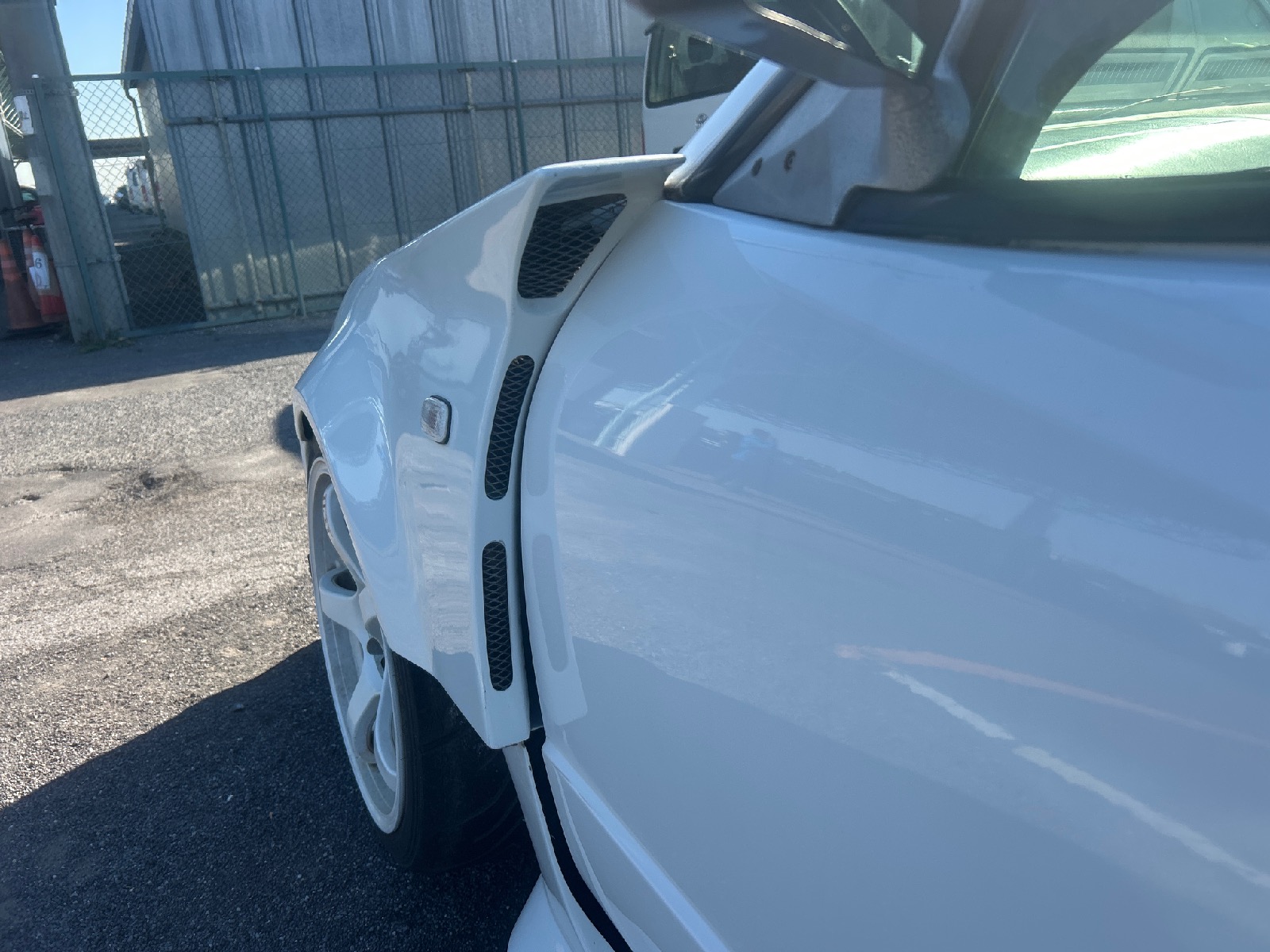
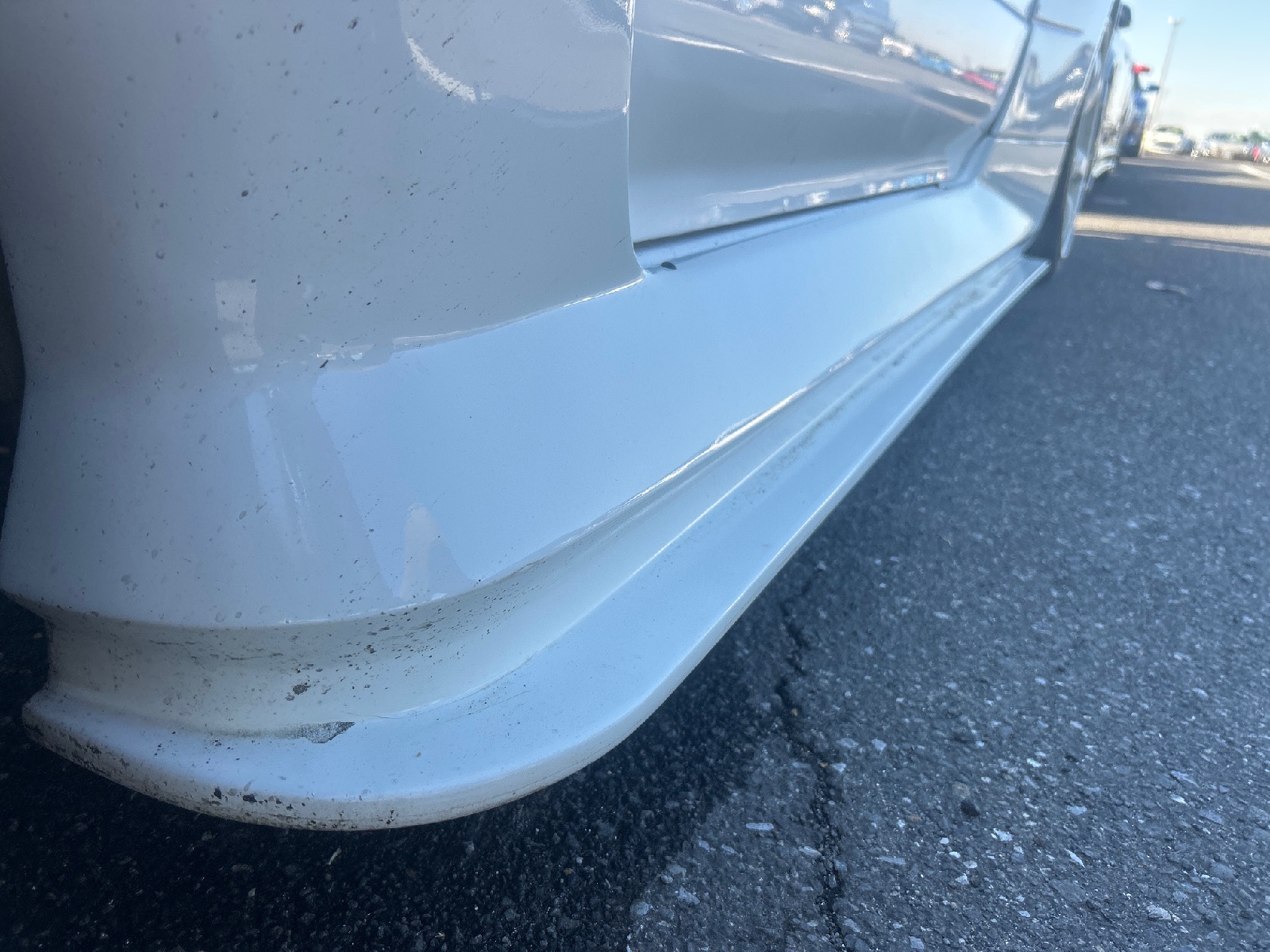
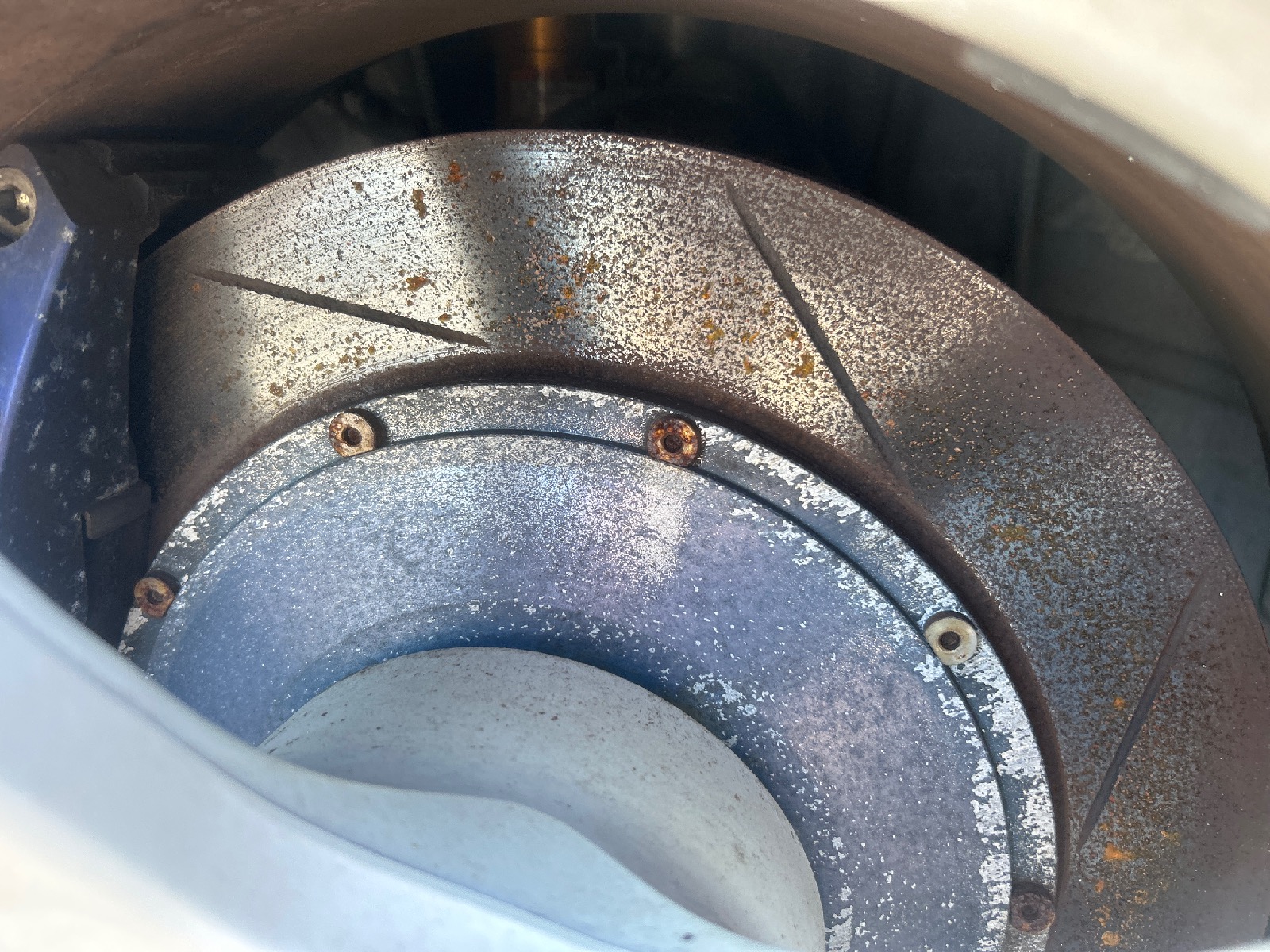
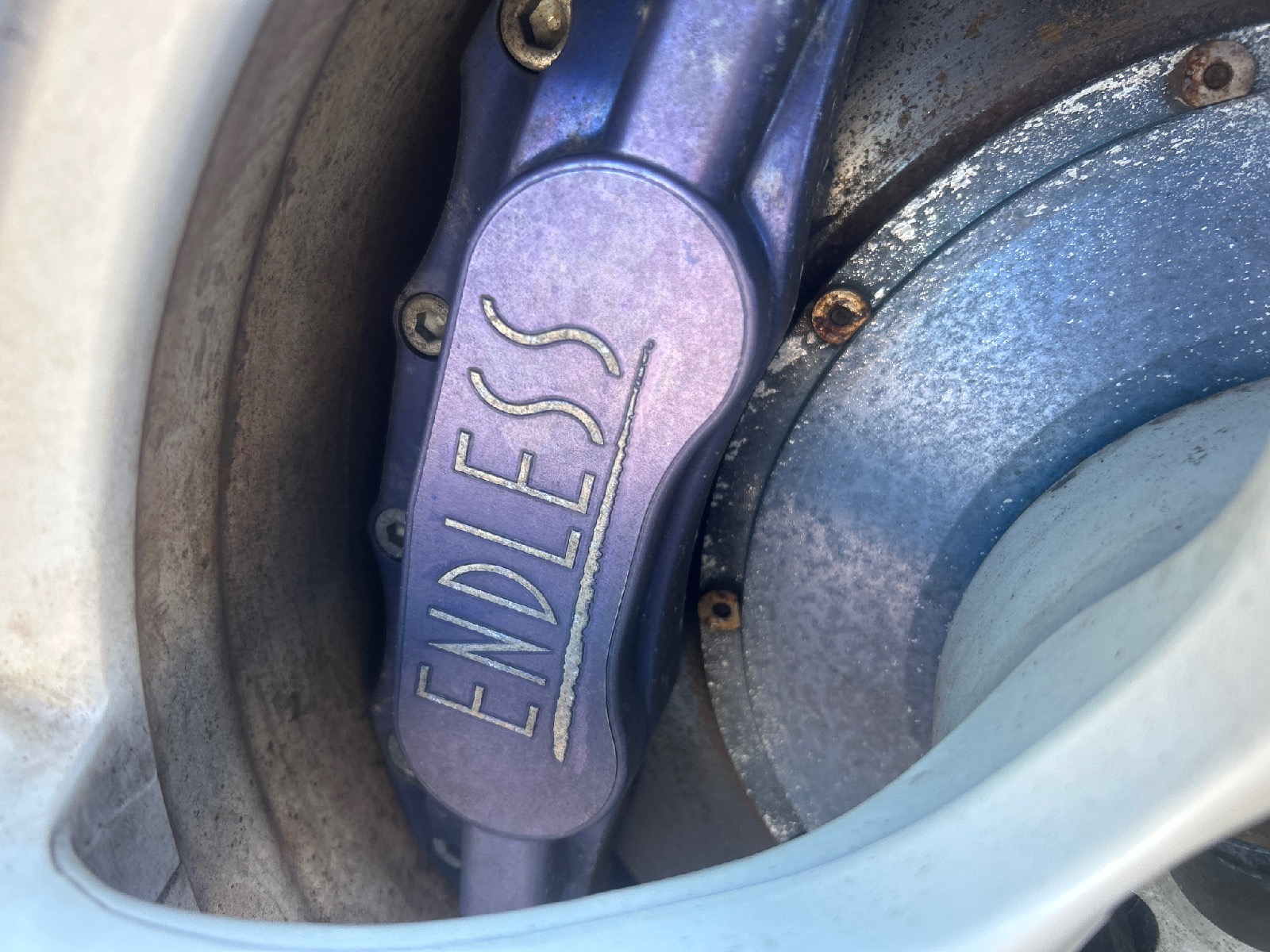
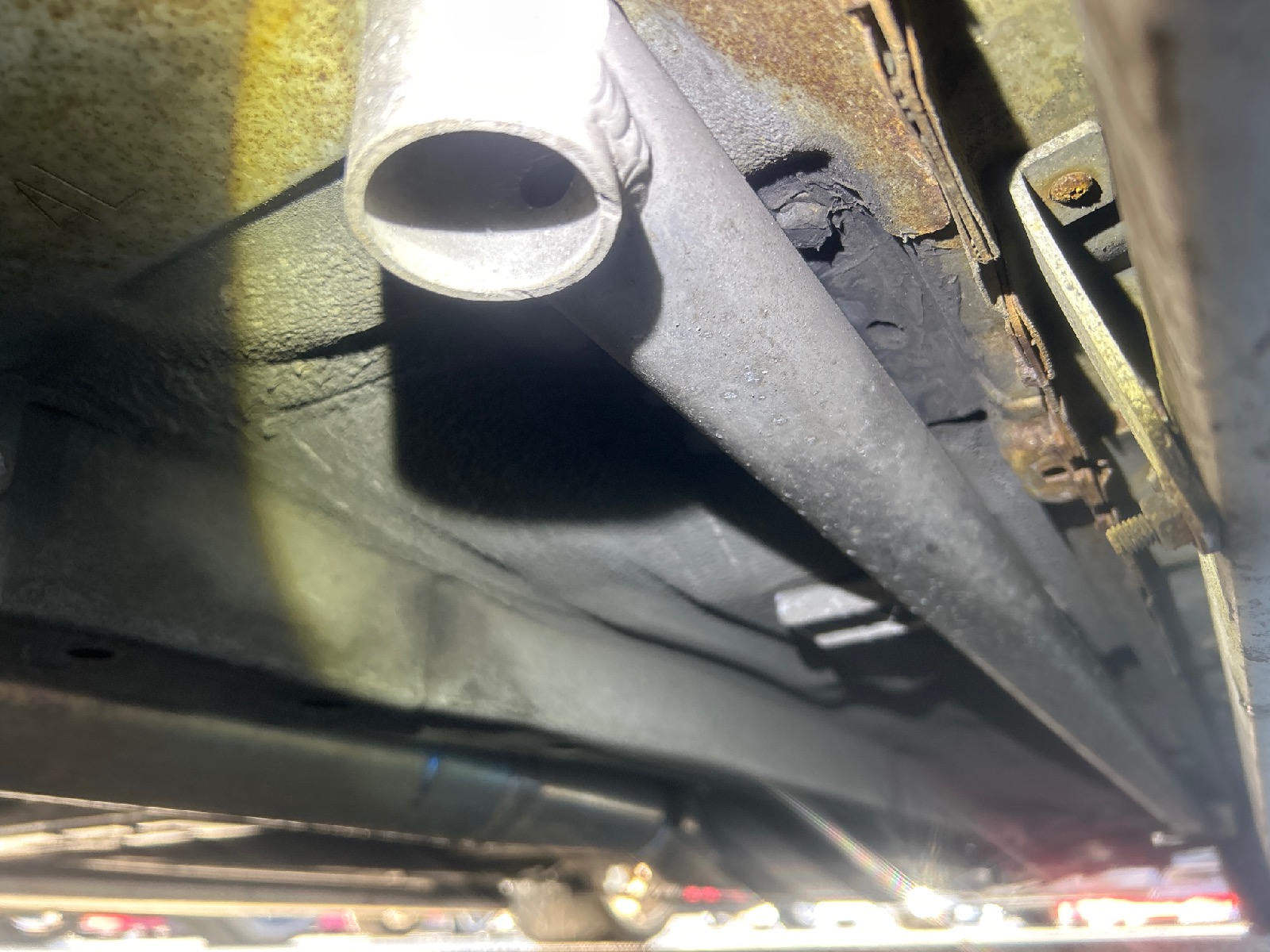
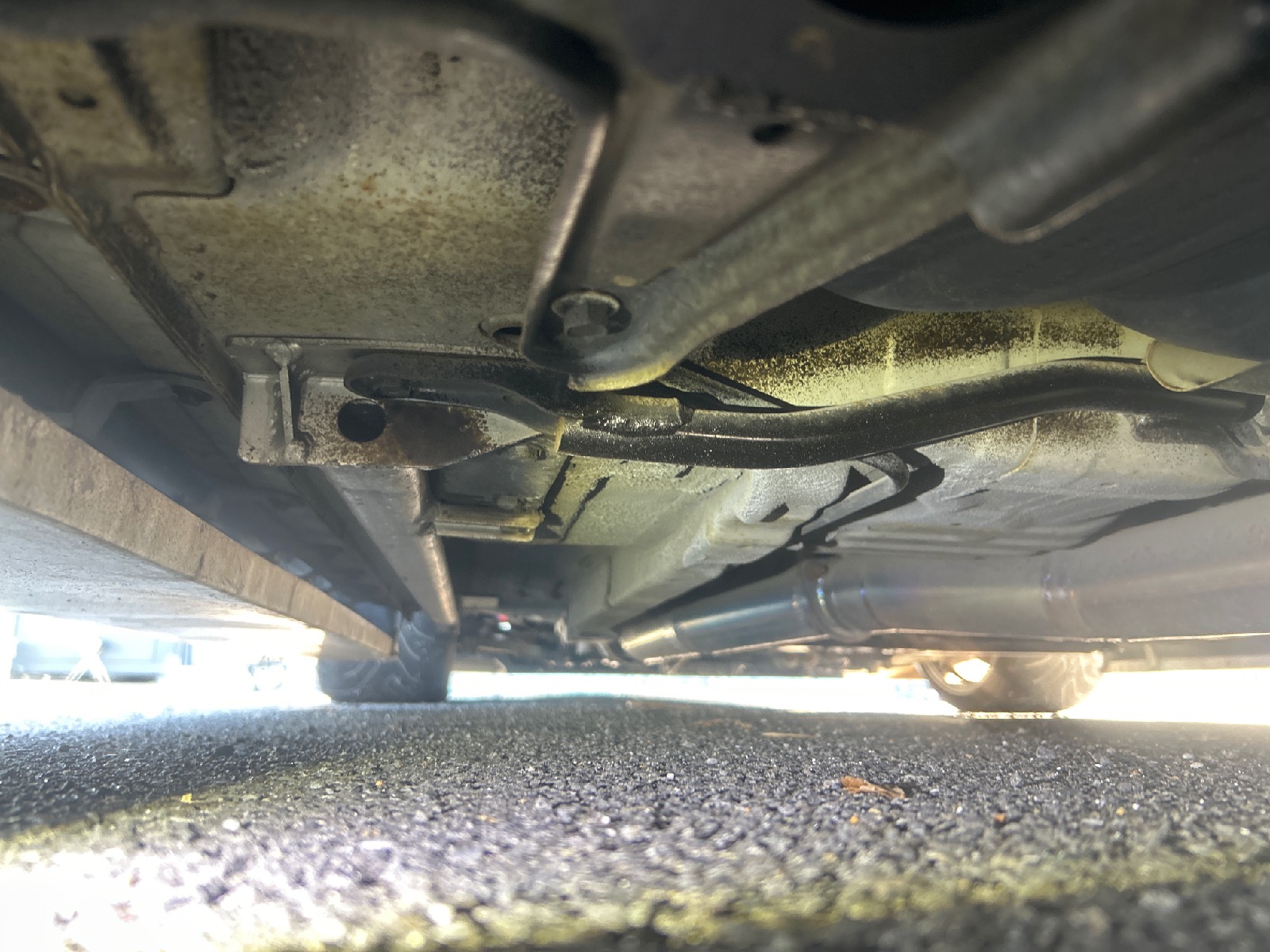
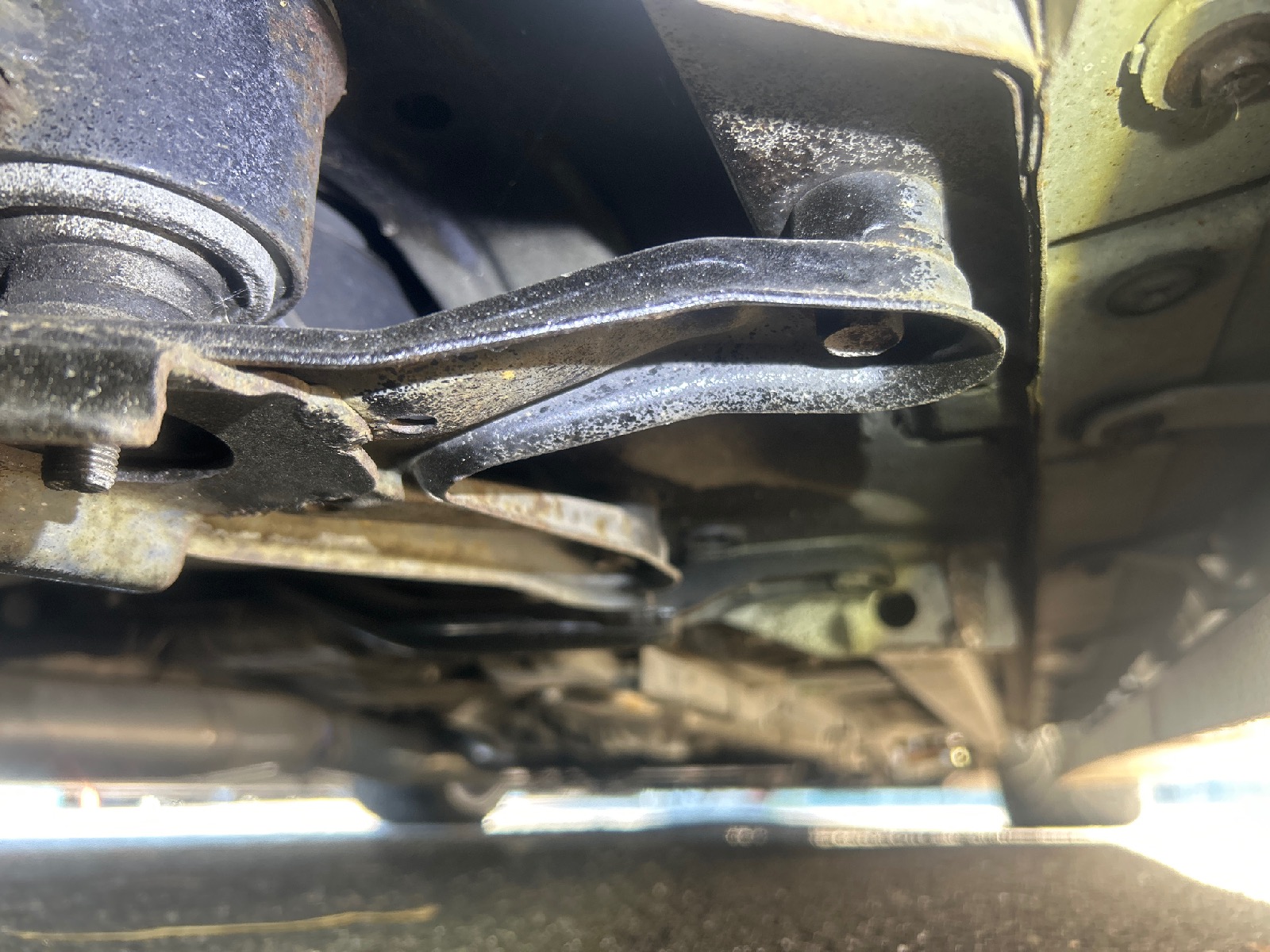
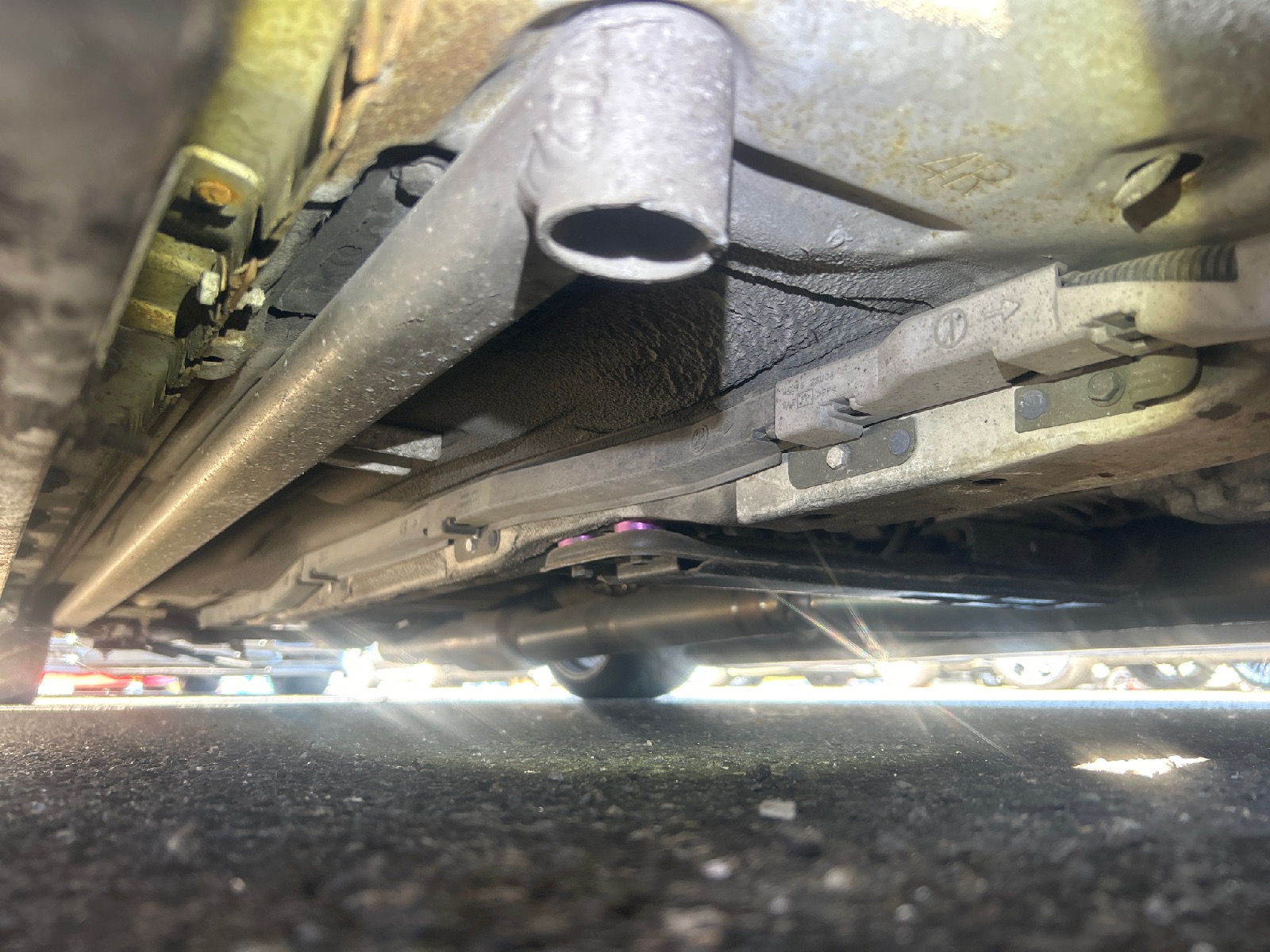
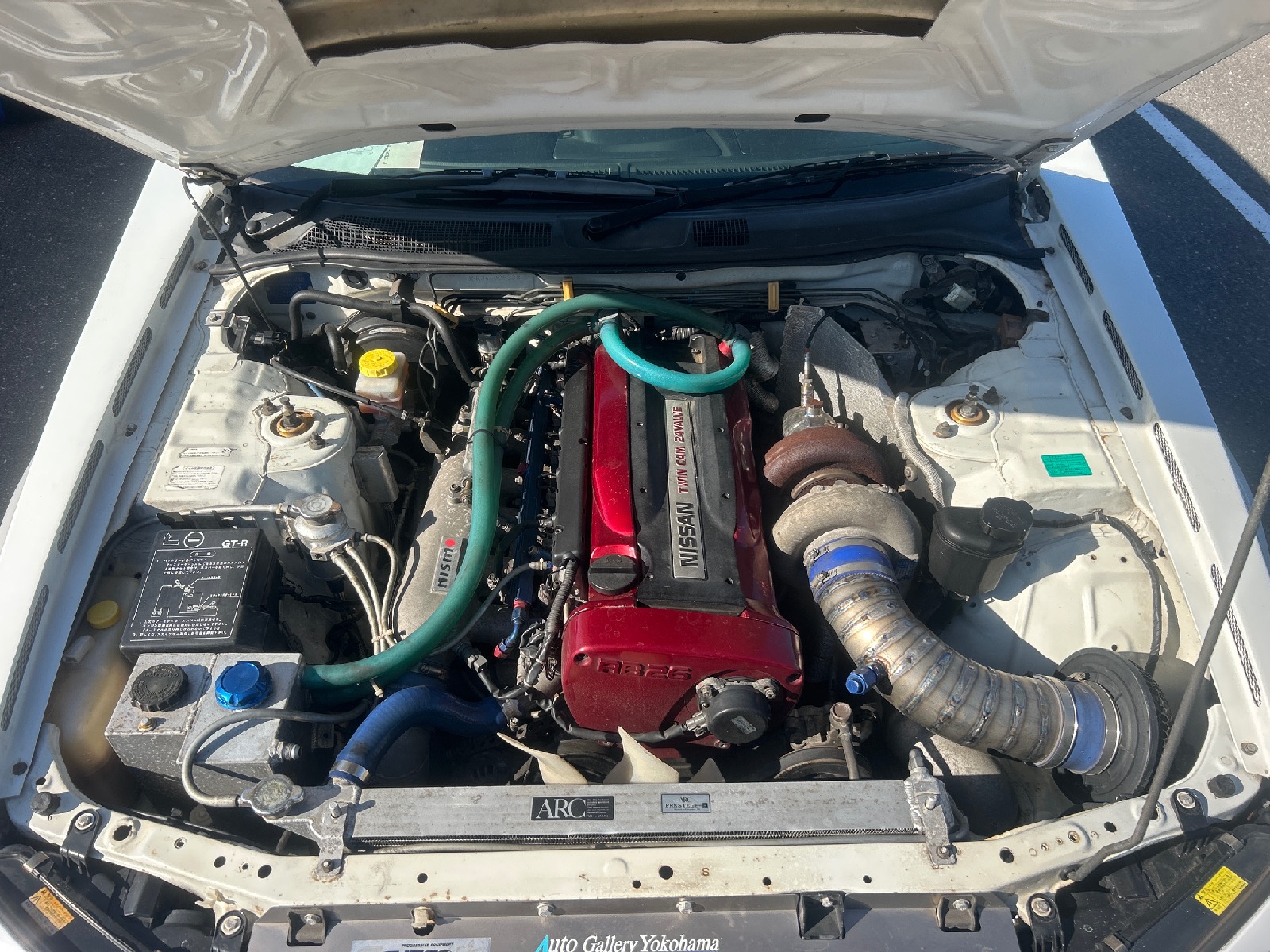
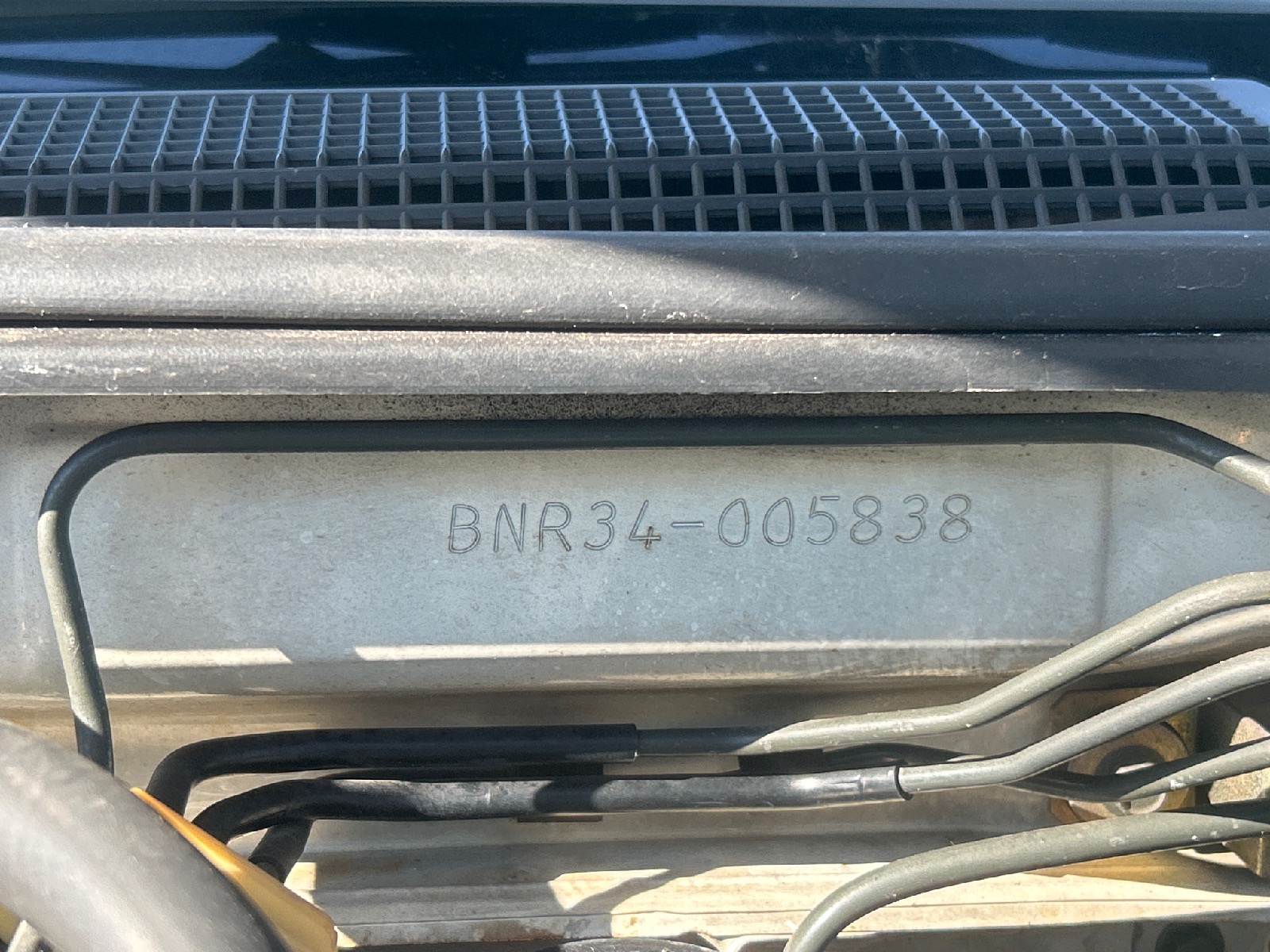
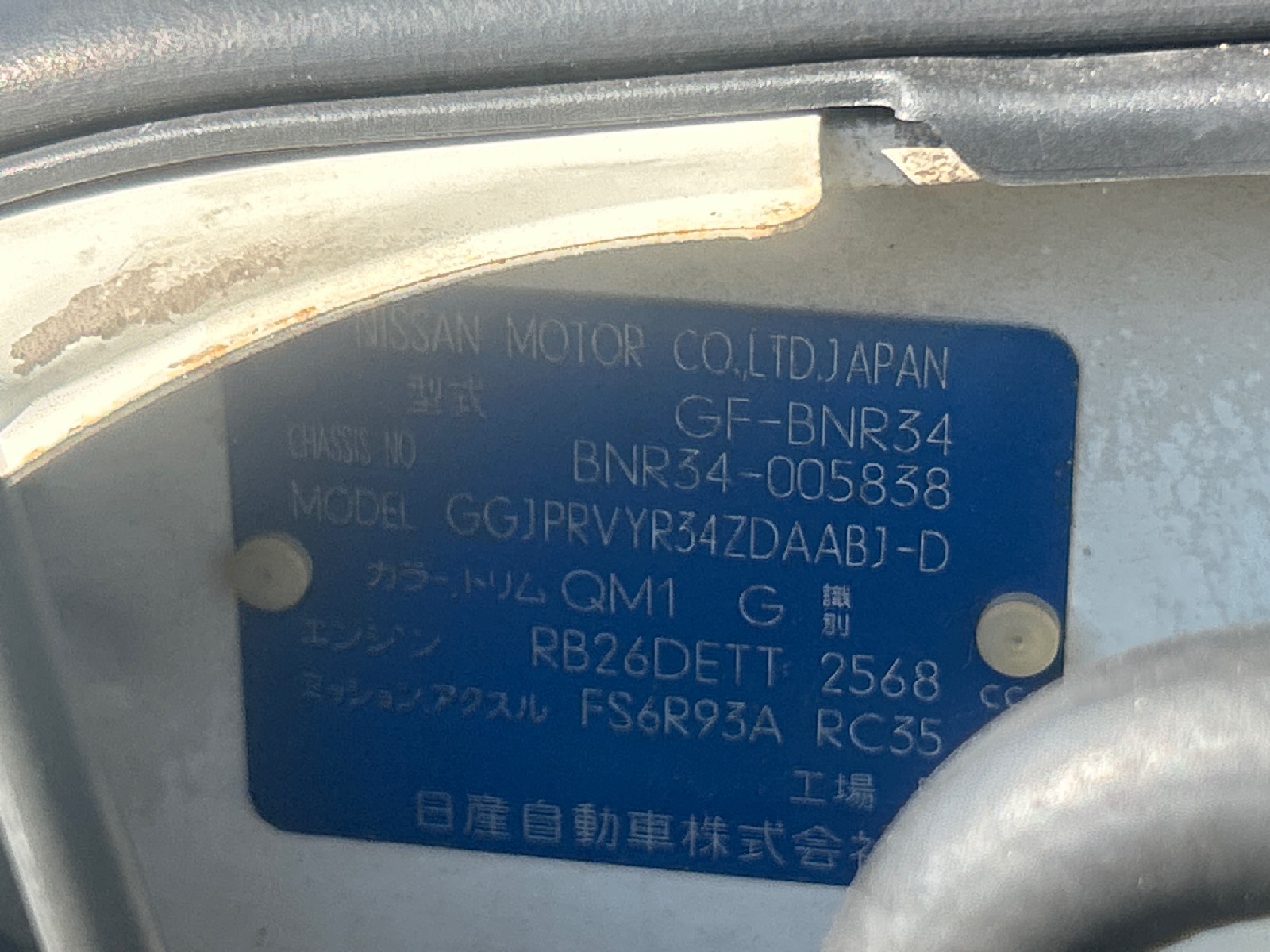
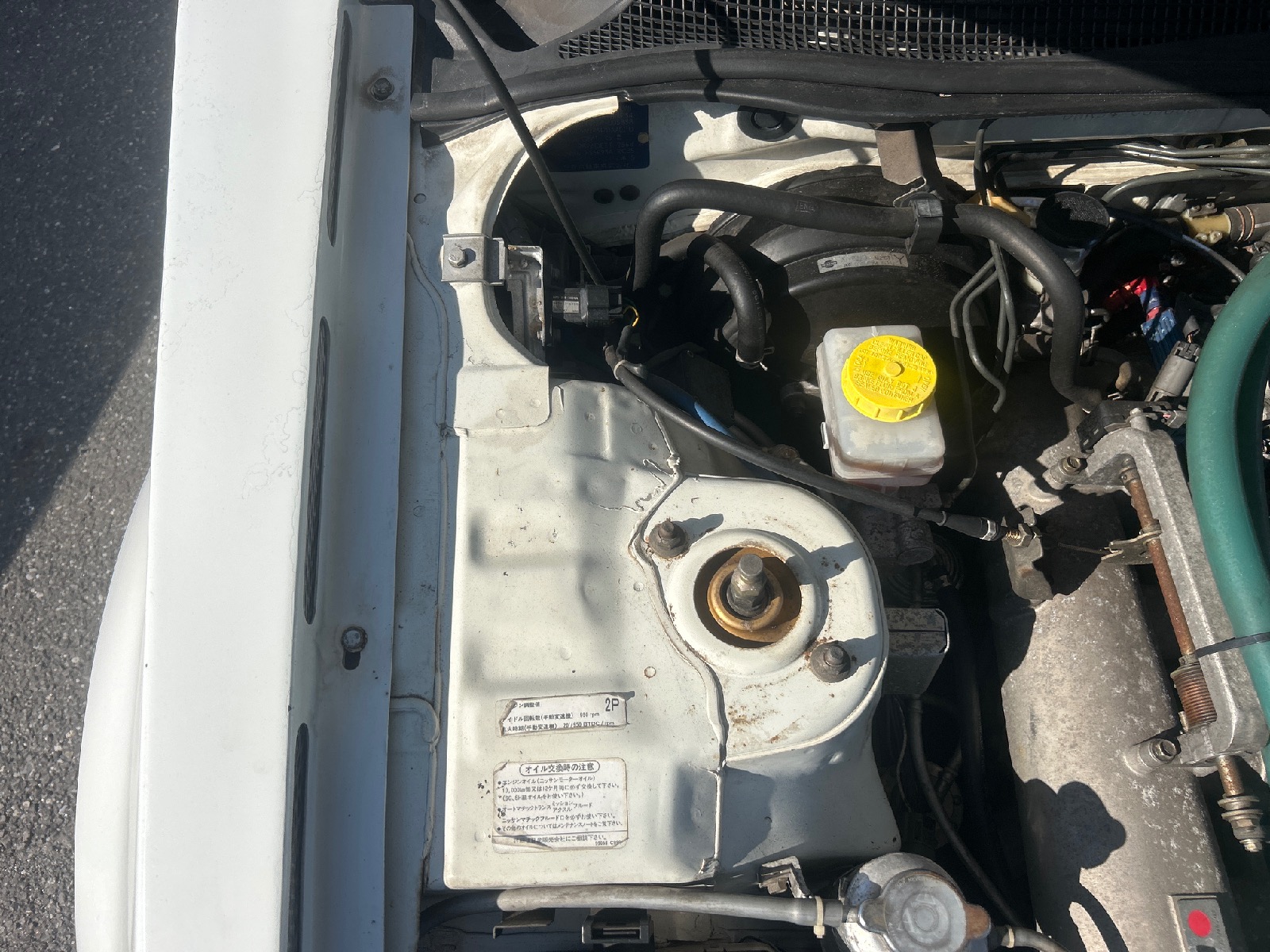
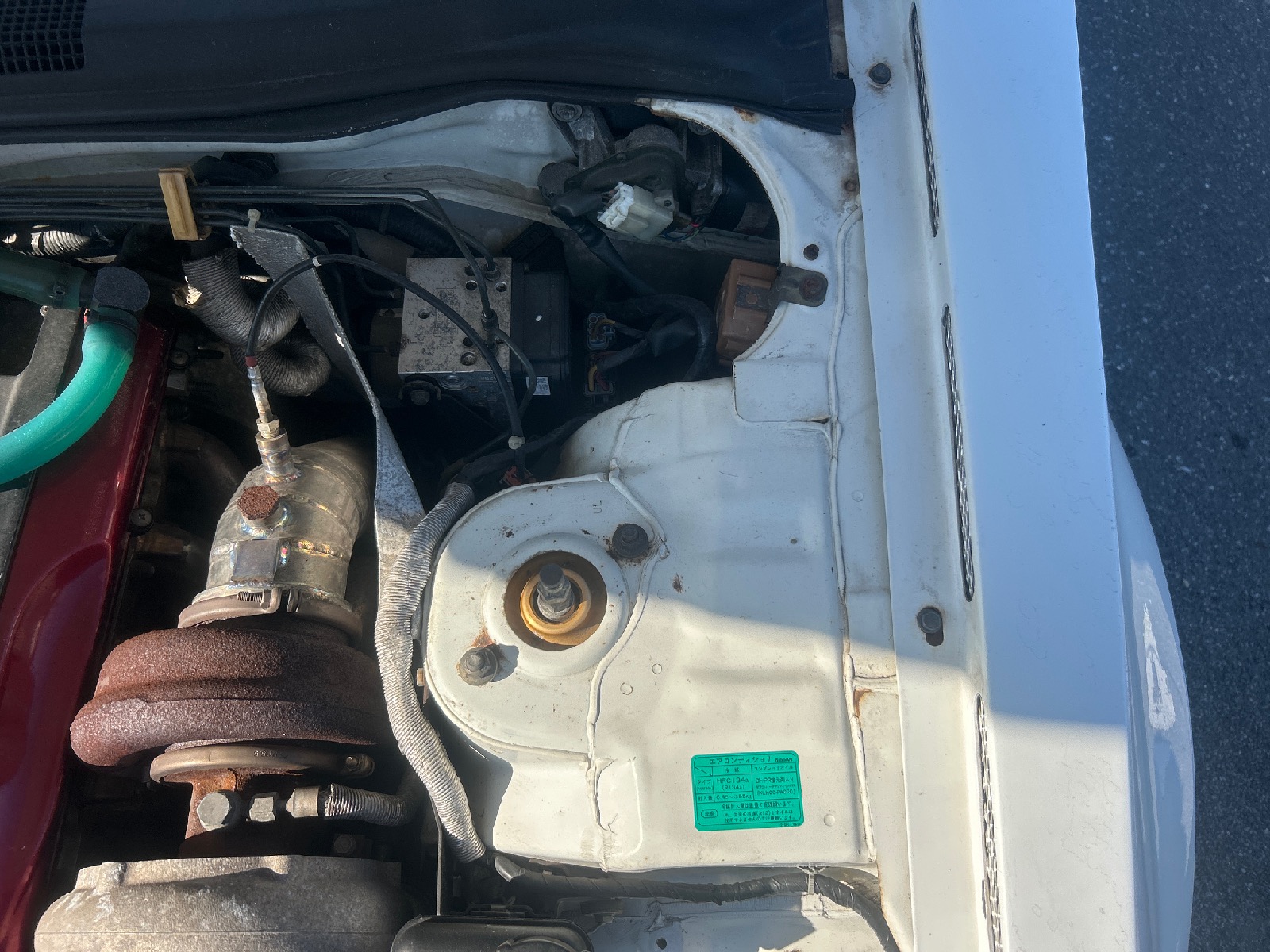
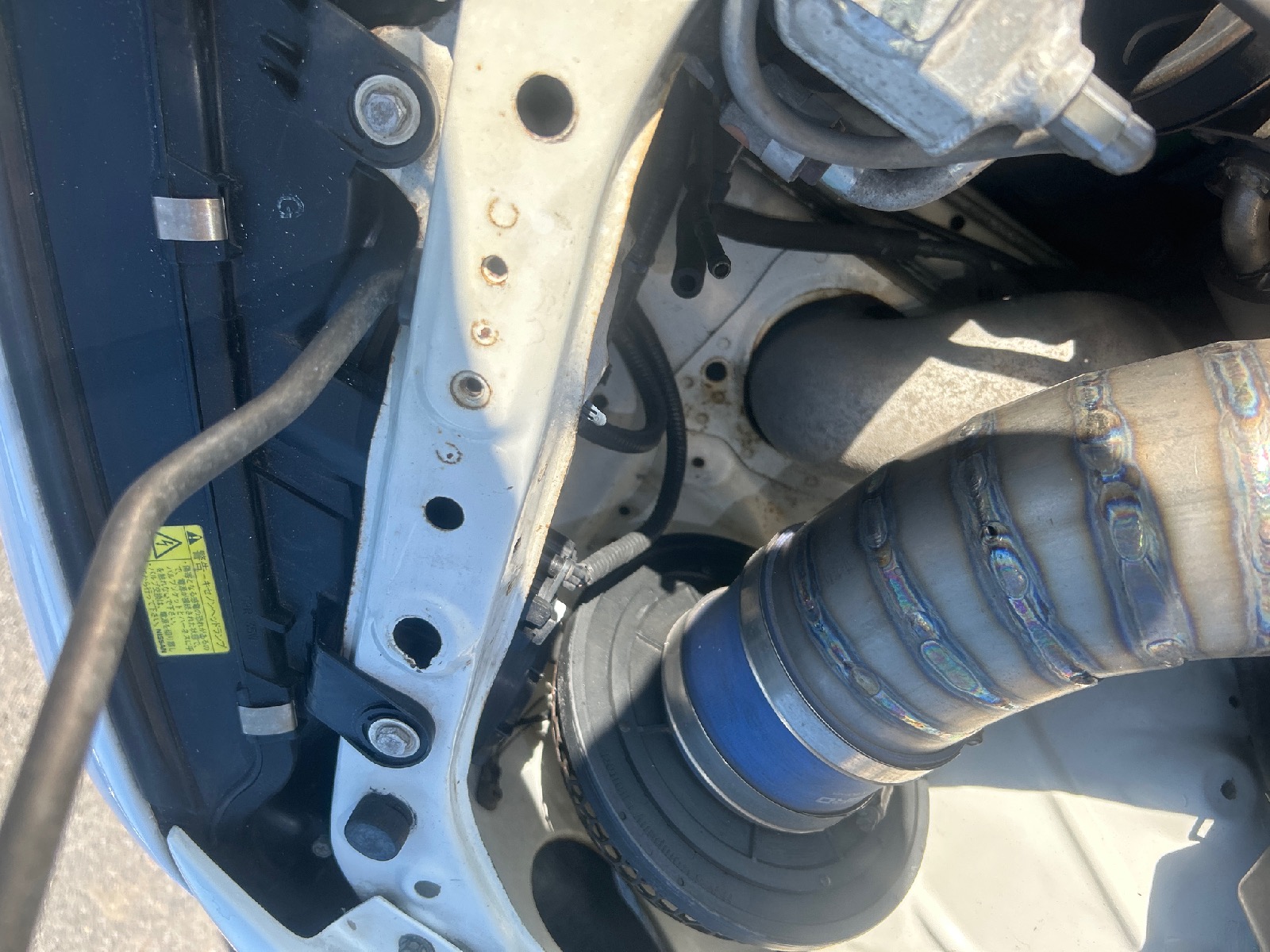
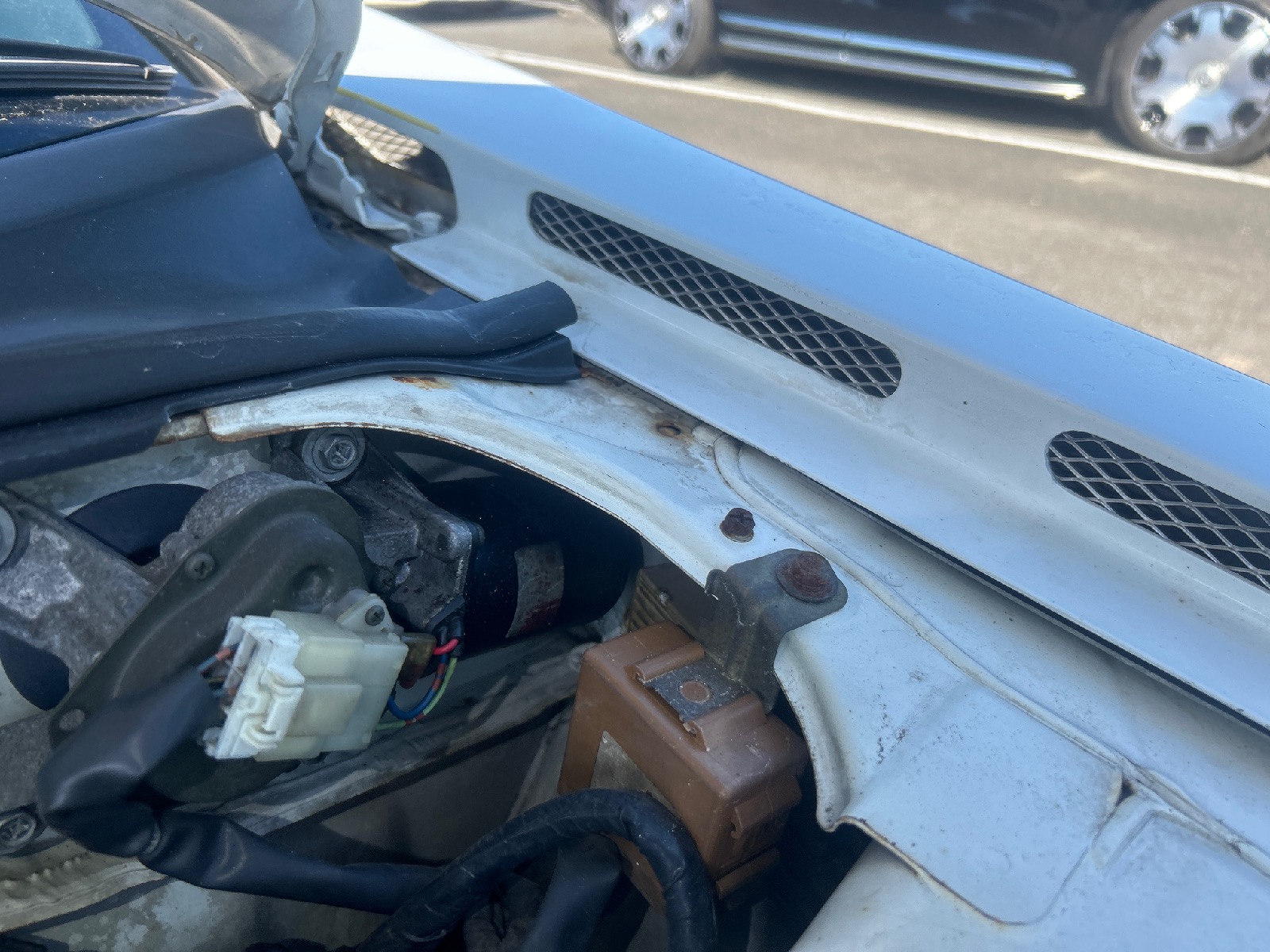
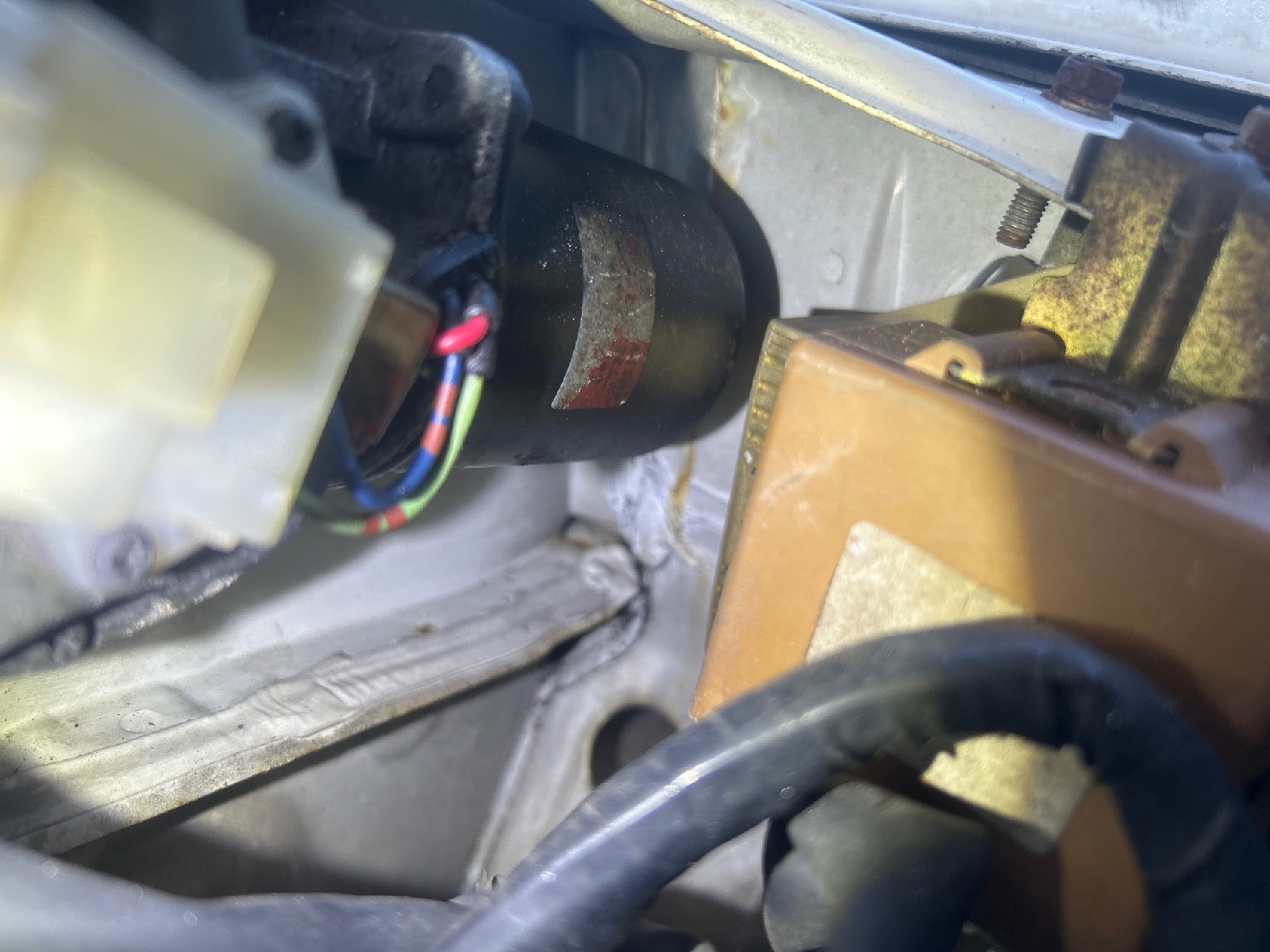
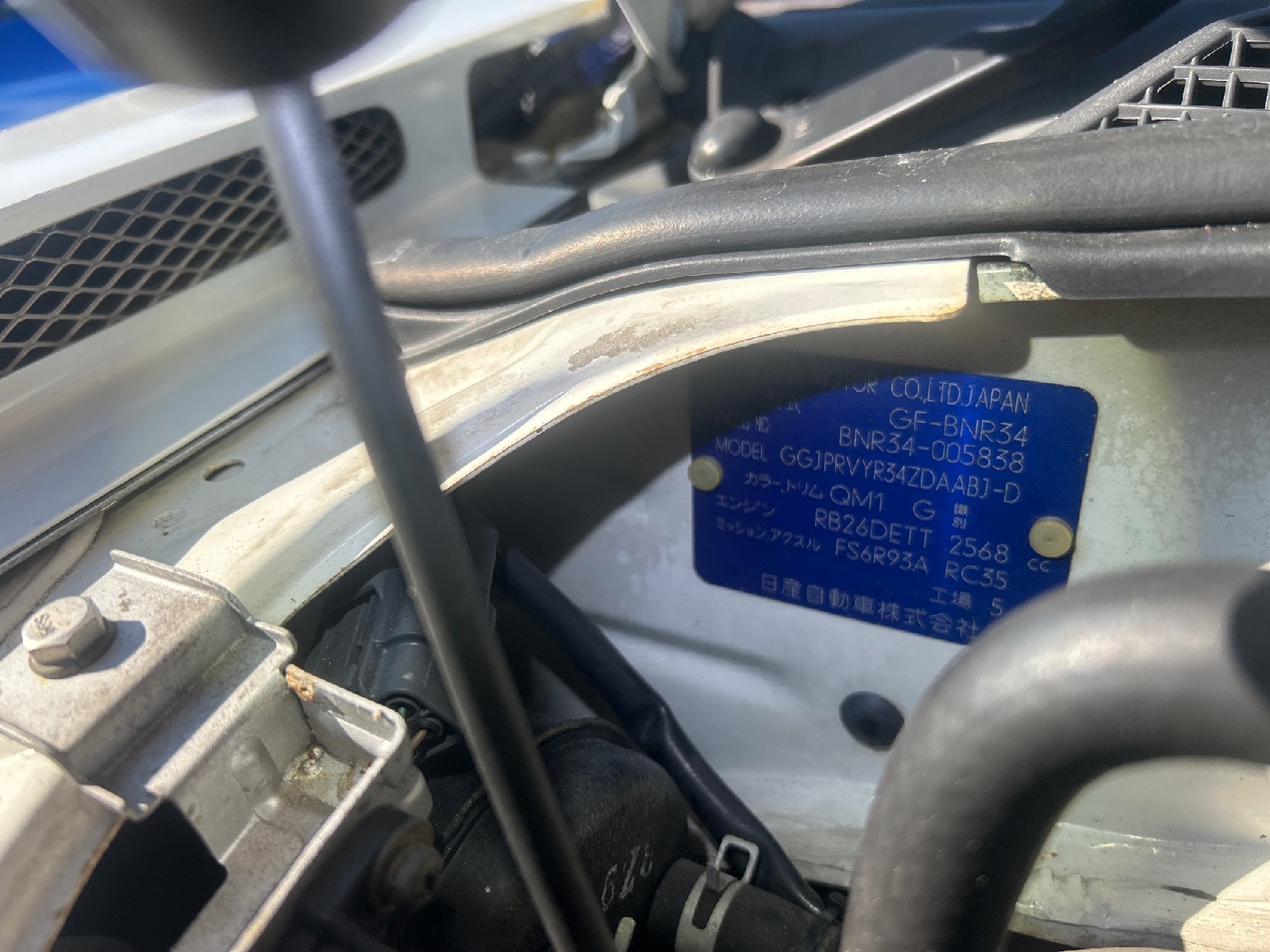
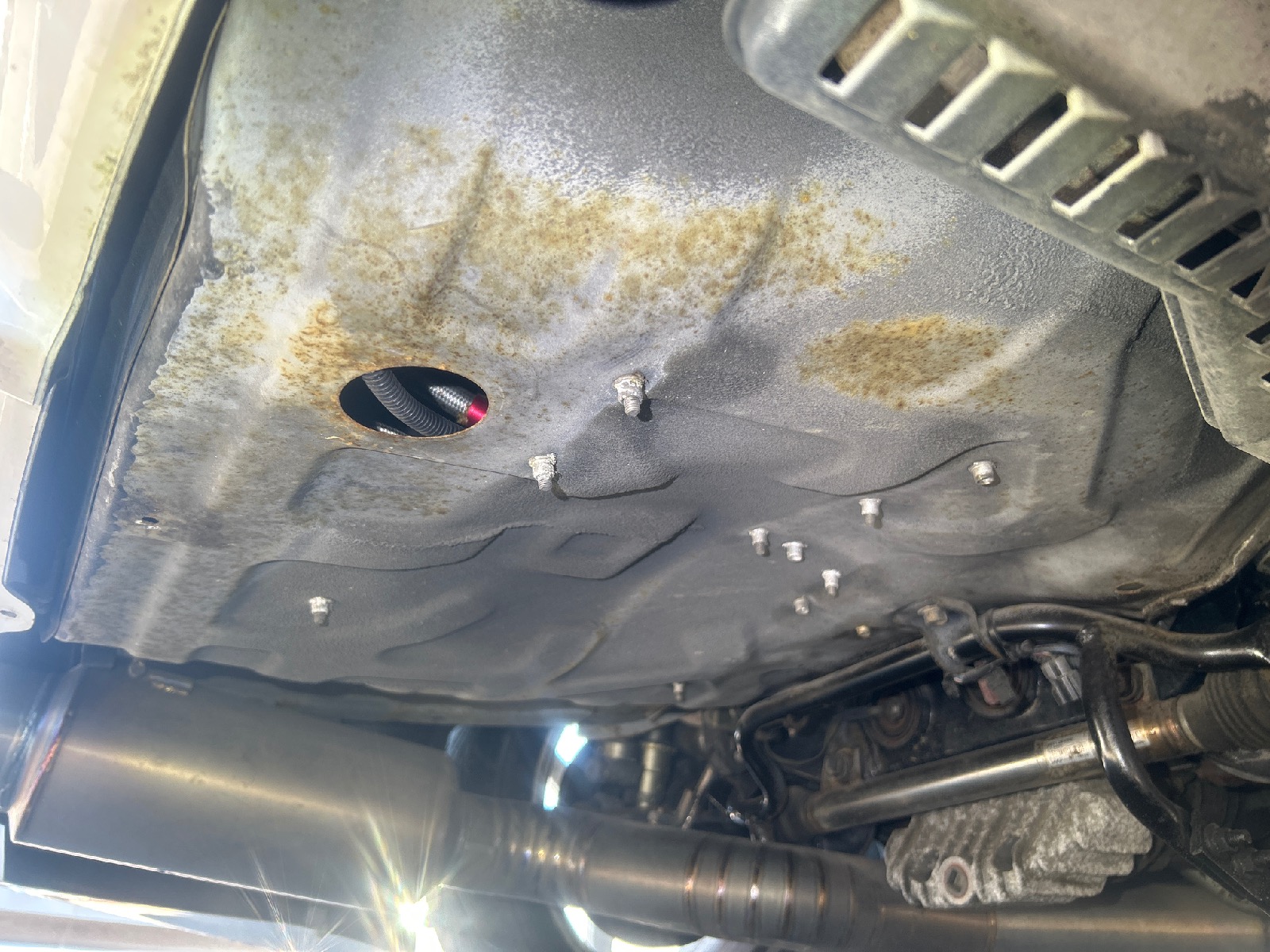
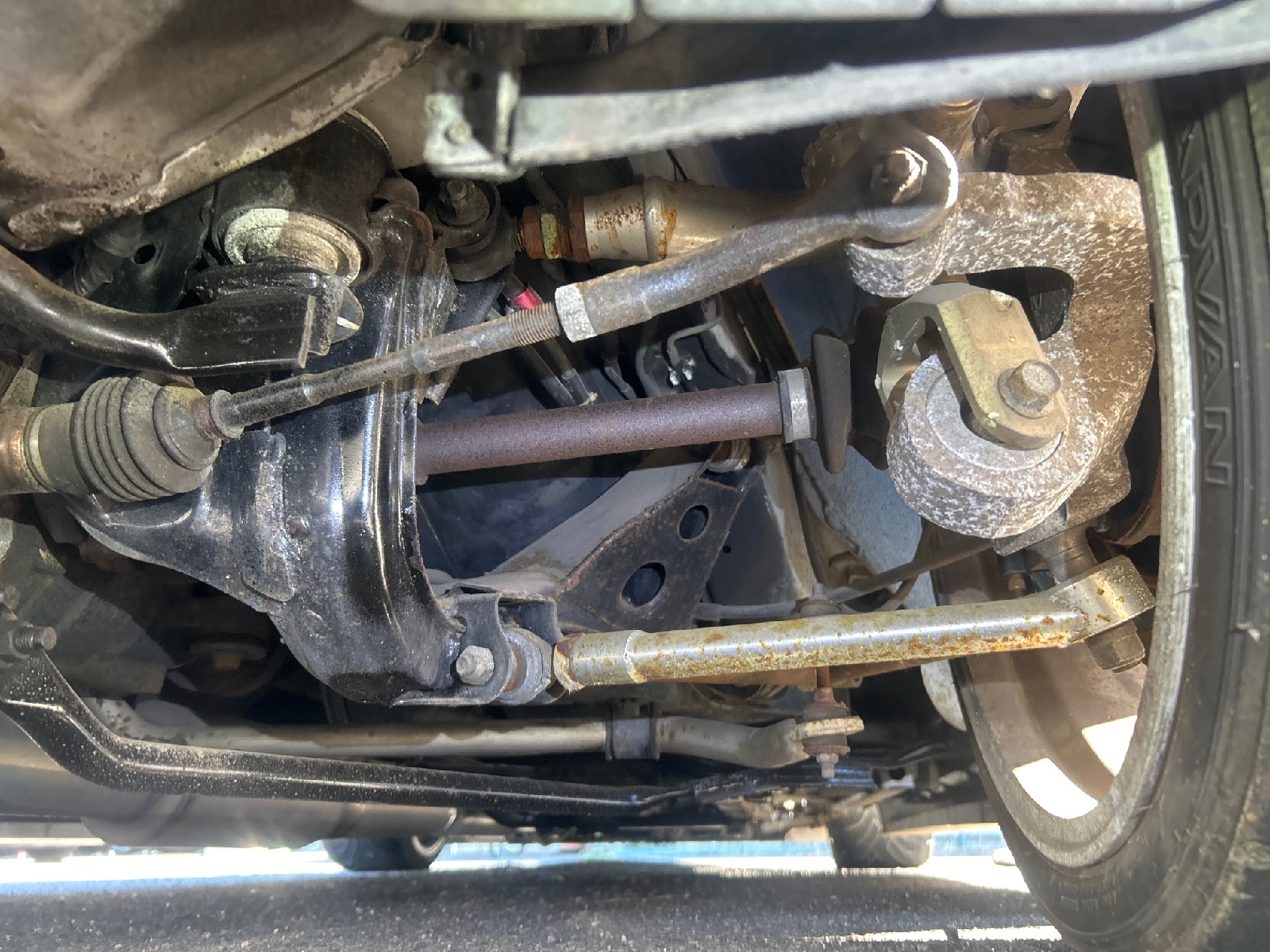
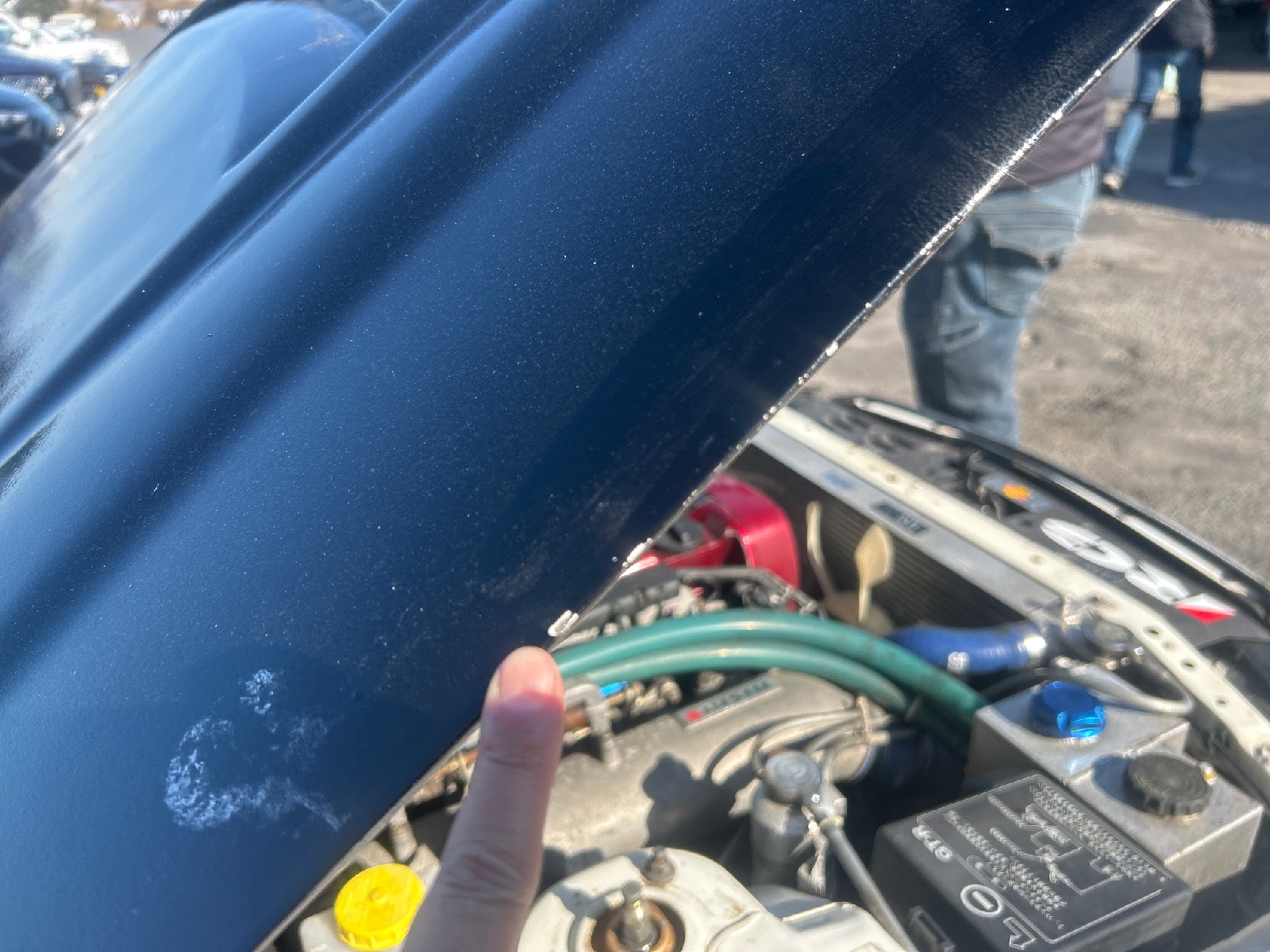
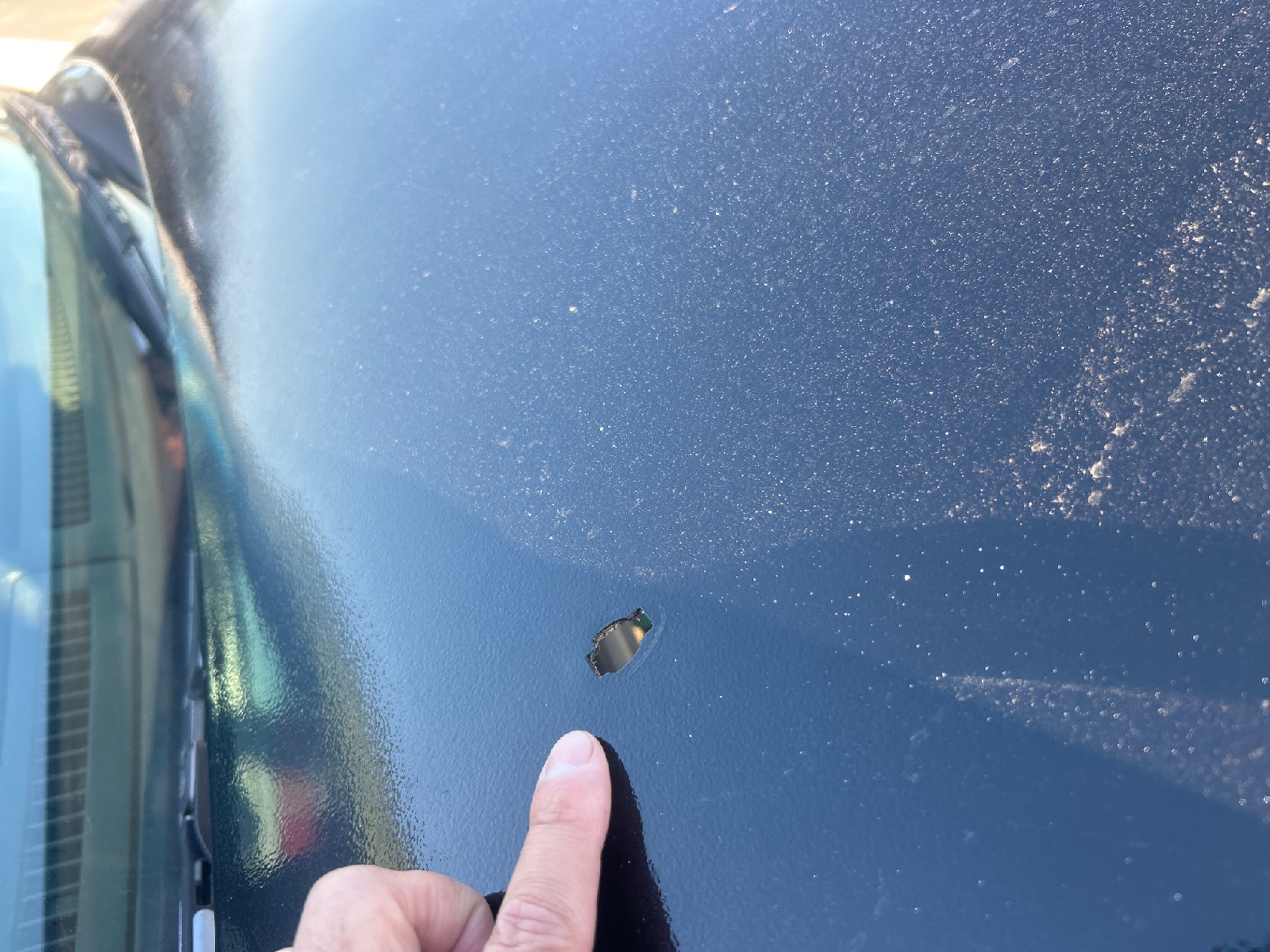
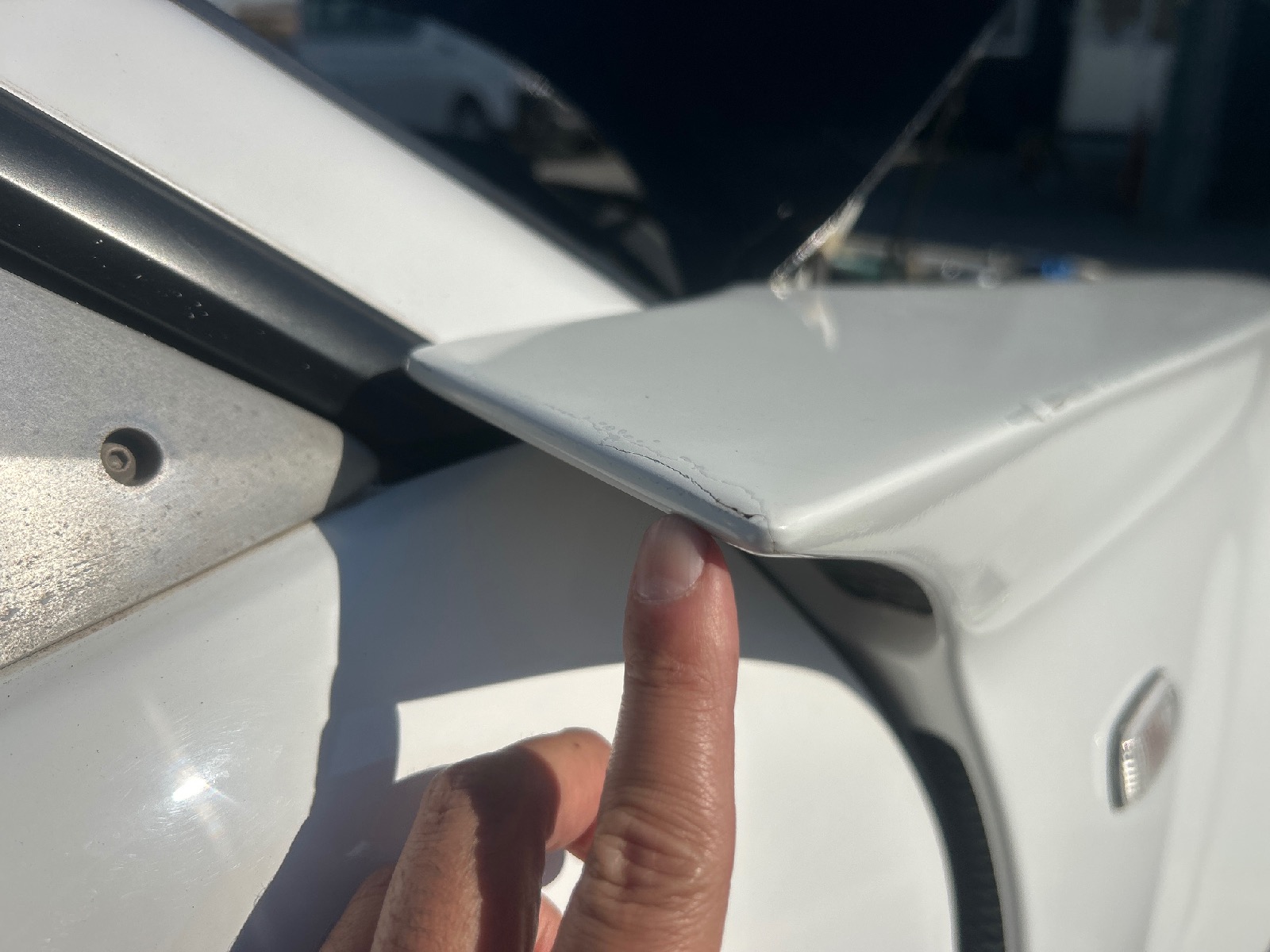
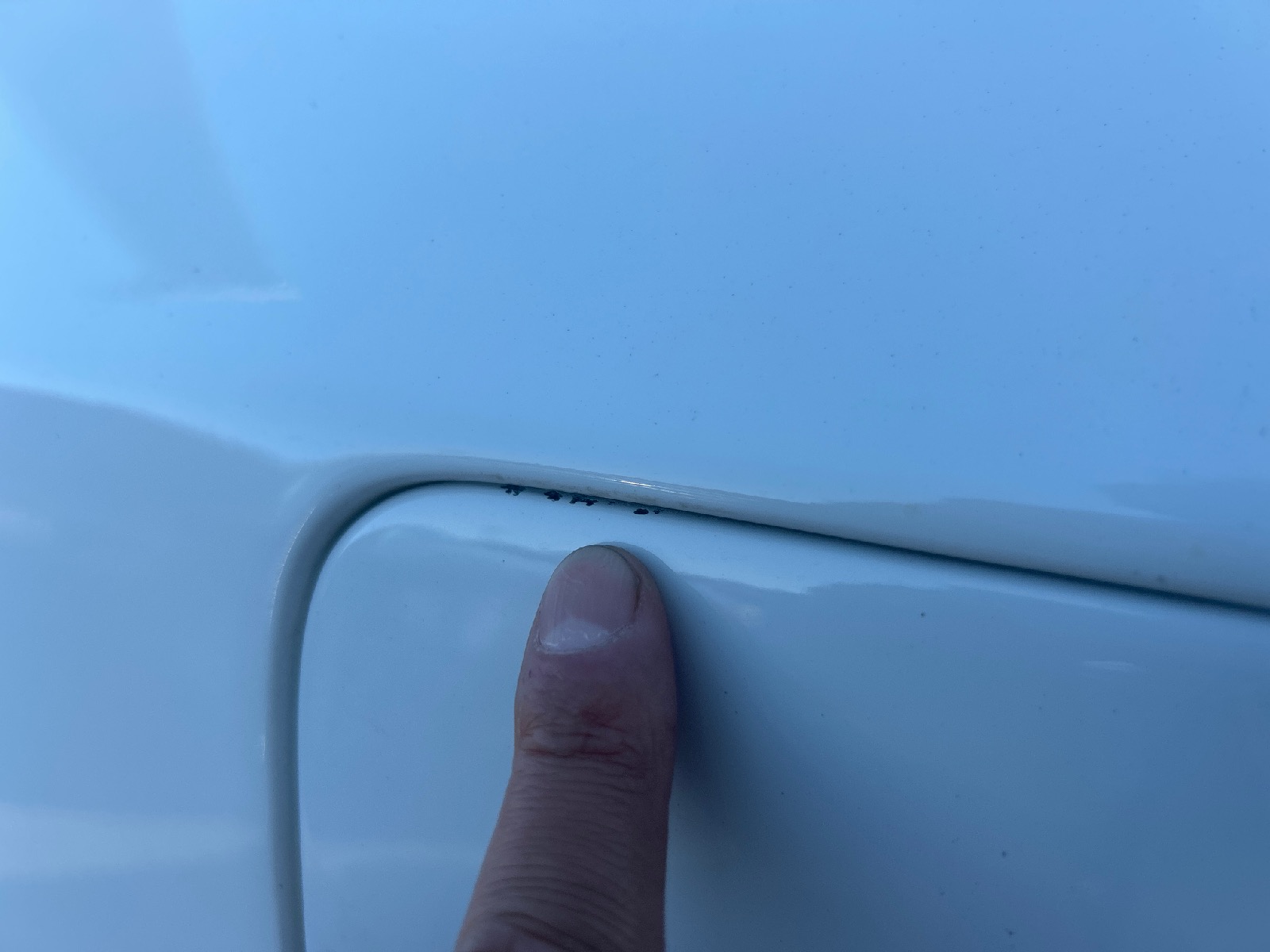
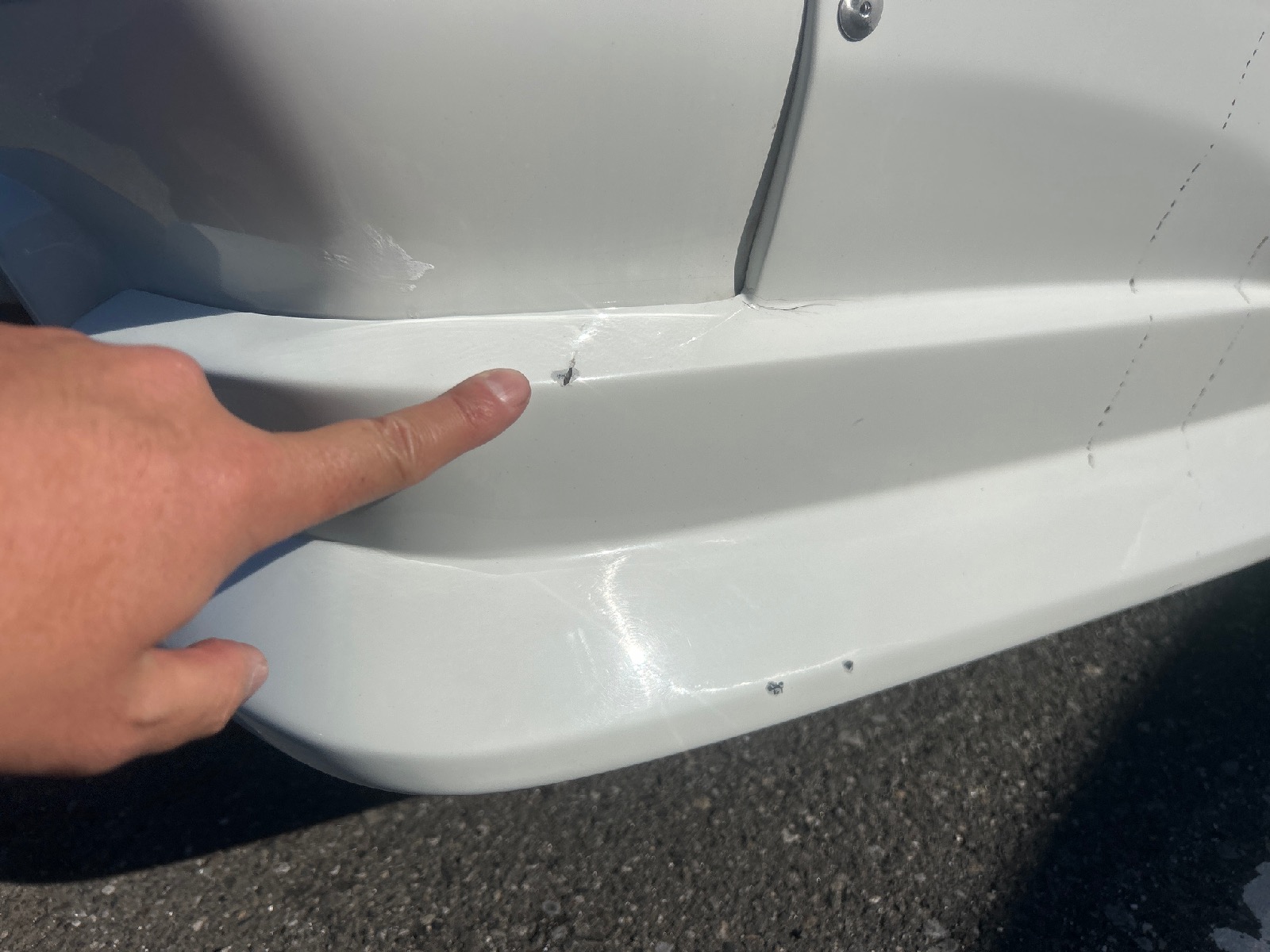
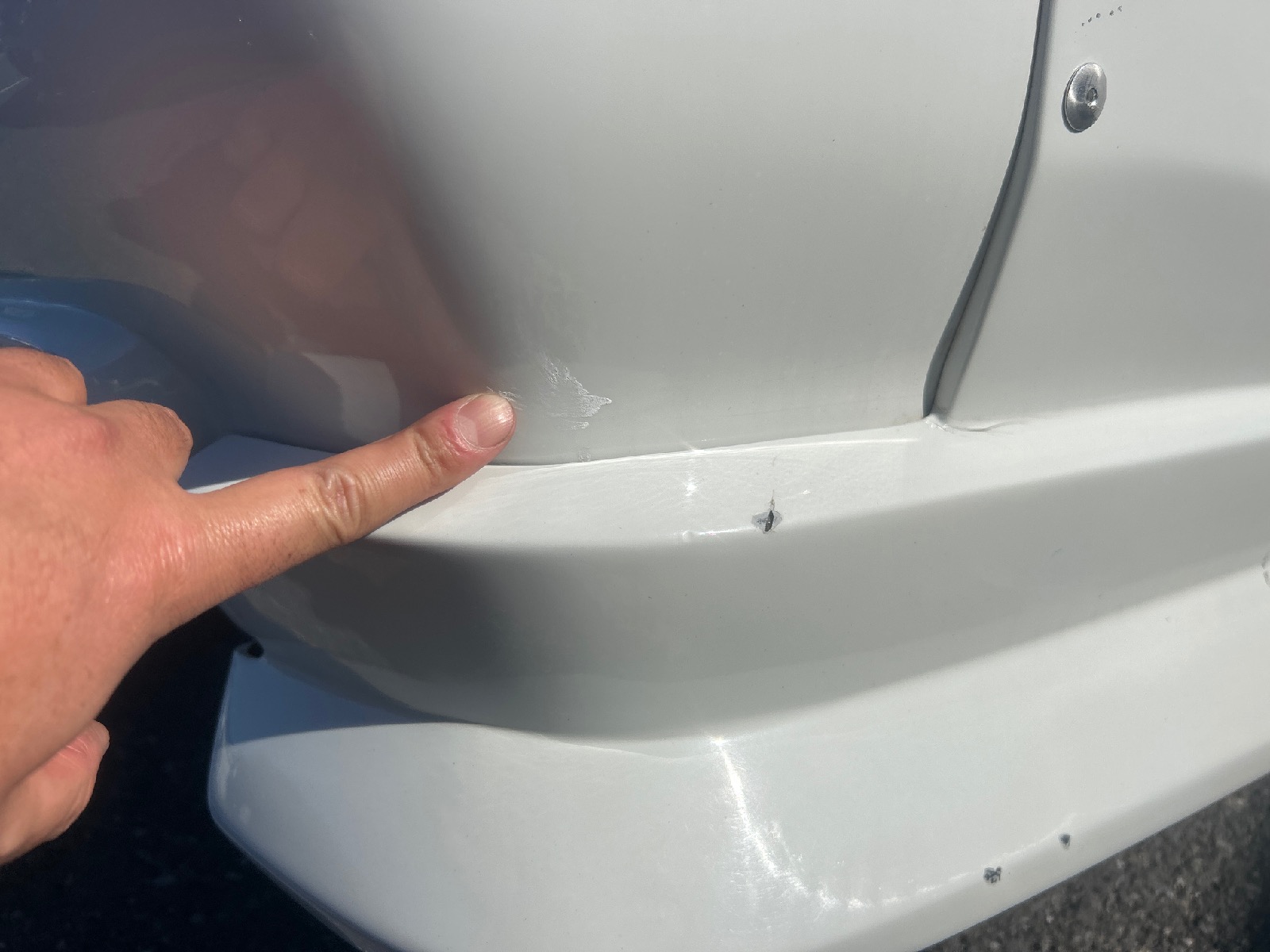
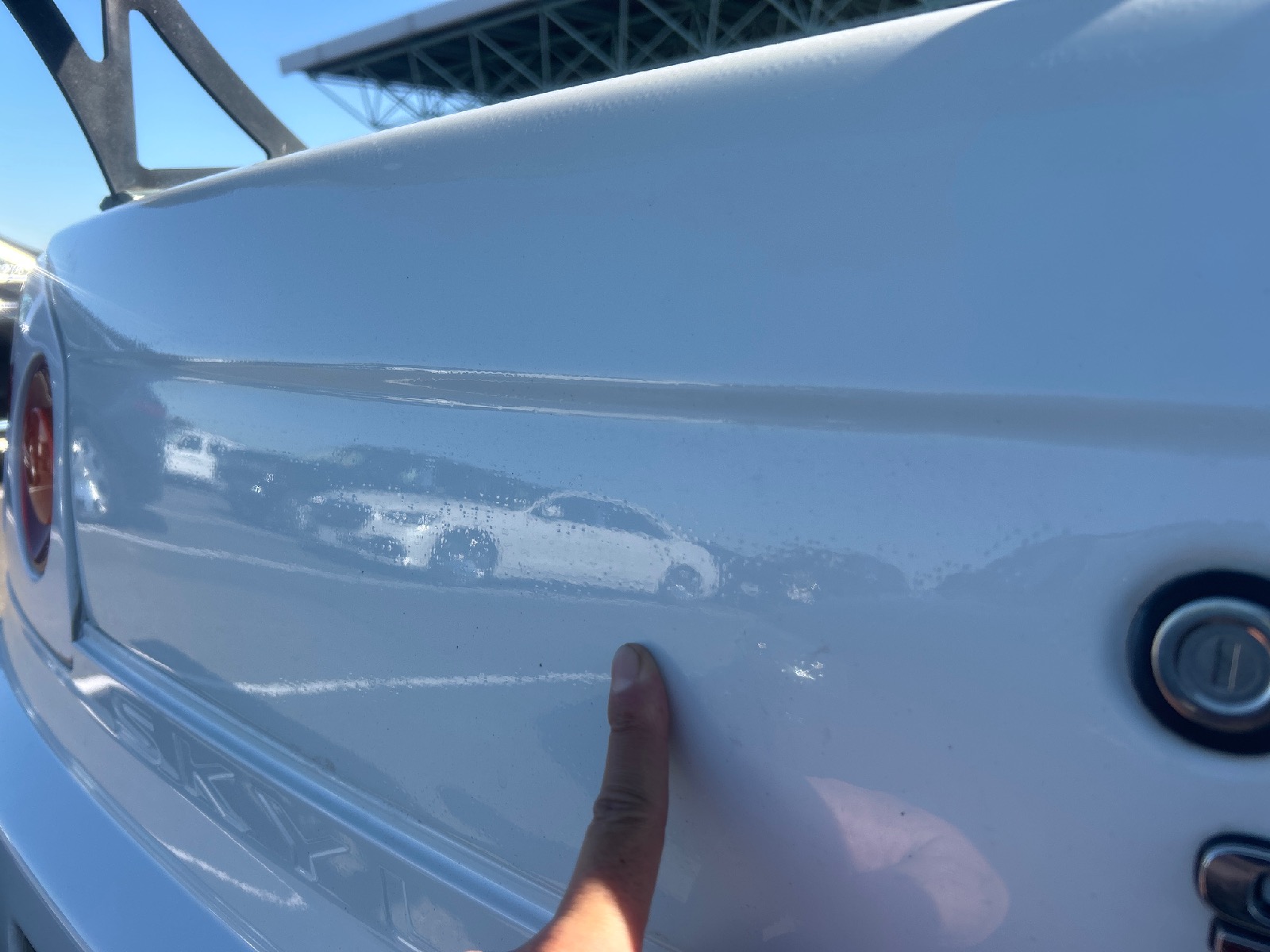
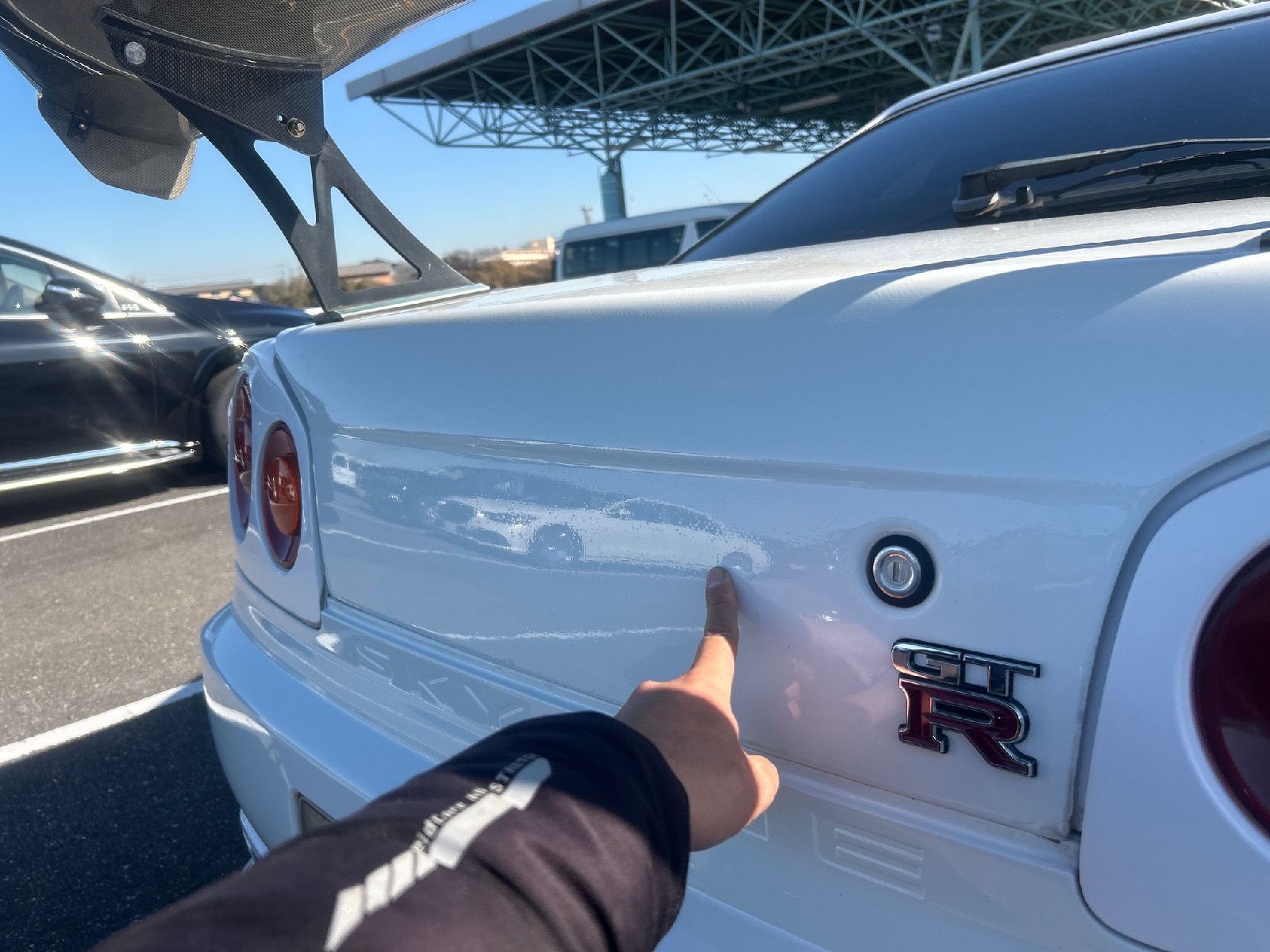
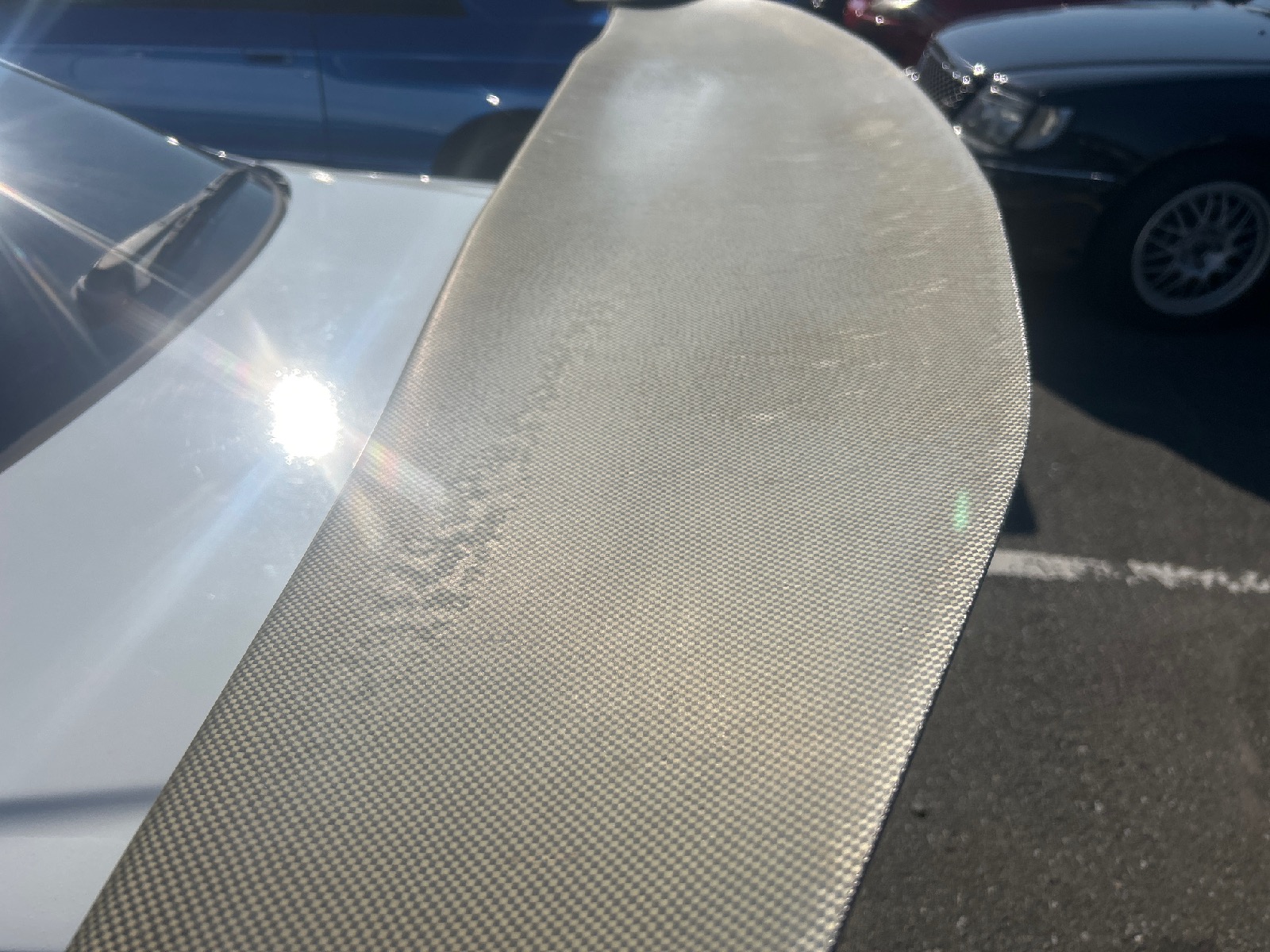
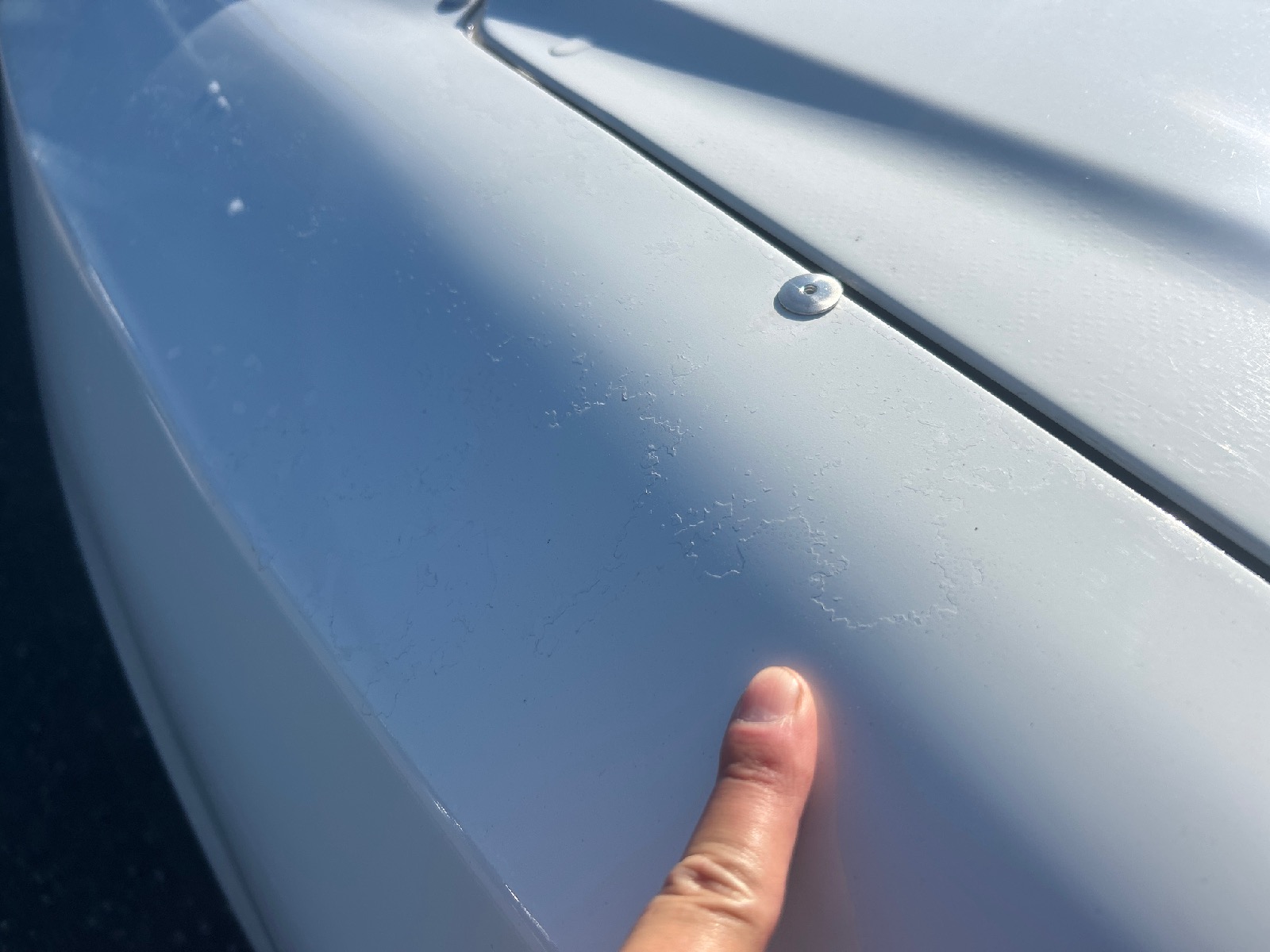
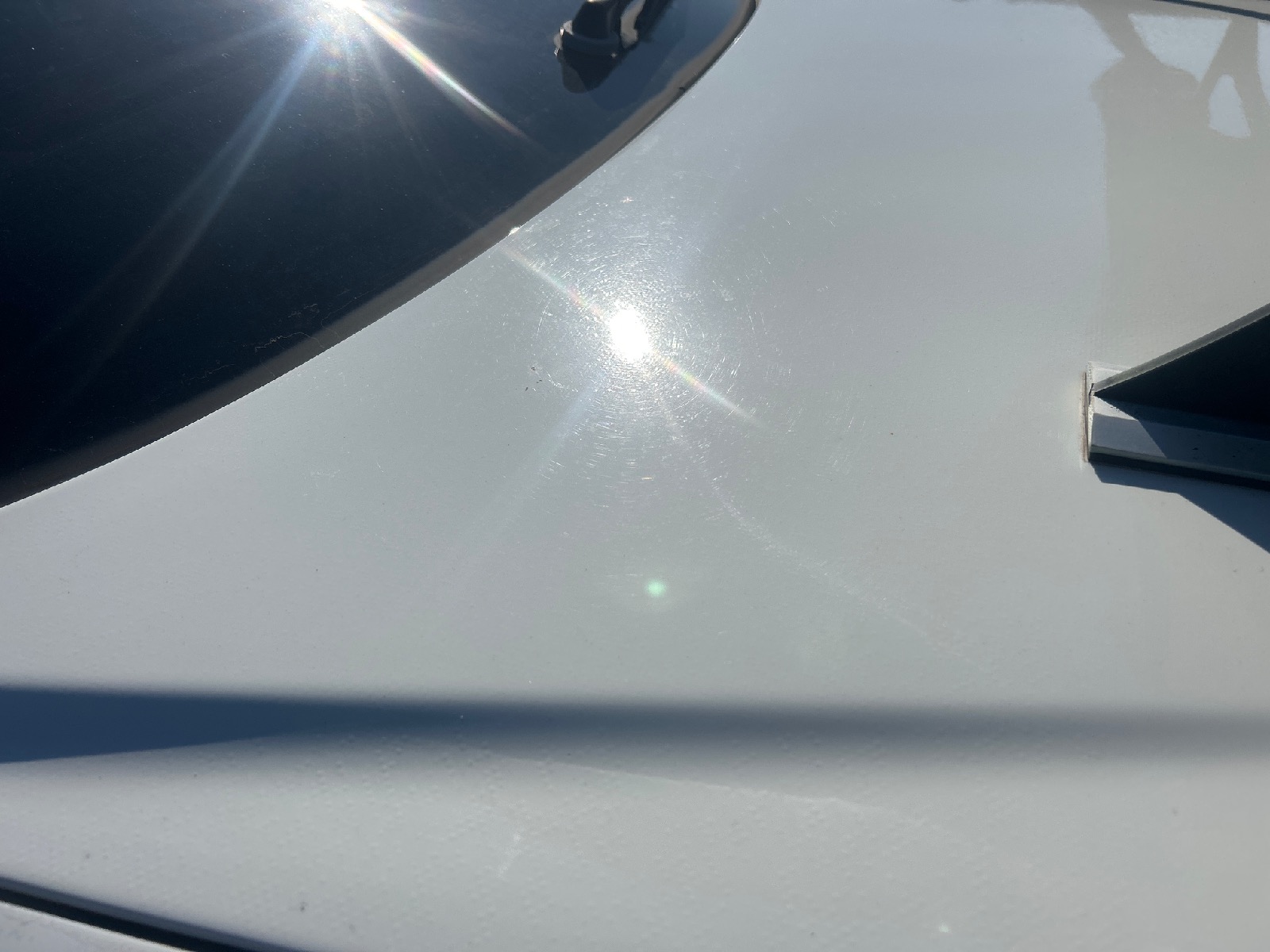
This is what our in-person, pre-bid inspection looks like — browse a real one we did on a highly modified R34 GTR.
FAQs
How does the bidding actually work?
You set a maximum for a specific car and we bid on your behalf up to that limit — never over it. If the car sells for less than your maximum, you pay the lower price. You don't need to be awake for the auction or speak Japanese.
Is my deposit refundable?
Yes. Your deposit is refundable if you don't end up buying (less $25 for each car we inspected for you), and it applies to your final balance if you do. It isn't a fee — it's the good-faith money that lets us inspect and bid on your behalf.
What if I get outbid?
Keep your deposit on file and we go straight to the next car, or take a refund (less $25 for each car we inspected for you). Bidding on two or three cars before winning one is completely normal.
Do I need to hire a customs broker?
No. We handle the entire import process, including customs clearance, and we can assist with titling your vehicle. This is the part most importers leave to you.
What vehicles are legal to import?
In the USA, any vehicle that is 25 years or older is legal for import. If the vehicle is not yet 25 years old, we can store it in Japan until it becomes eligible.
How long does the whole thing take?
The typical timeframe is 45-60 days from purchase to delivery.
How do I know the car isn't a disaster?
Three layers: the third-party auction inspection sheet, our English translation and read of it, and, if you ask for one, our own in-person inspection with photos and video before you commit. If any of the three doesn't add up, we'll tell you.
Will the vehicle be delivered directly to me?
Your vehicle will be delivered to the nearest port. If you prefer home delivery, we can arrange transportation for you.
Do you offer financing?
We don't lend directly, but most buyers use an unsecured personal loan from a lender such as SoFi, PenFed, Alliant, Rocket Loans or U.S. Bank and pay us from the proceeds. Have it funded before we bid. Our Financing page compares lenders and rates.
How can I purchase car parts from Japan?
Check our site for available parts. If you don't find what you need, feel free to email us with your request — we source from the same Japanese network.